Water Heater Failure Flooded This Garage - Here's How We Handled It
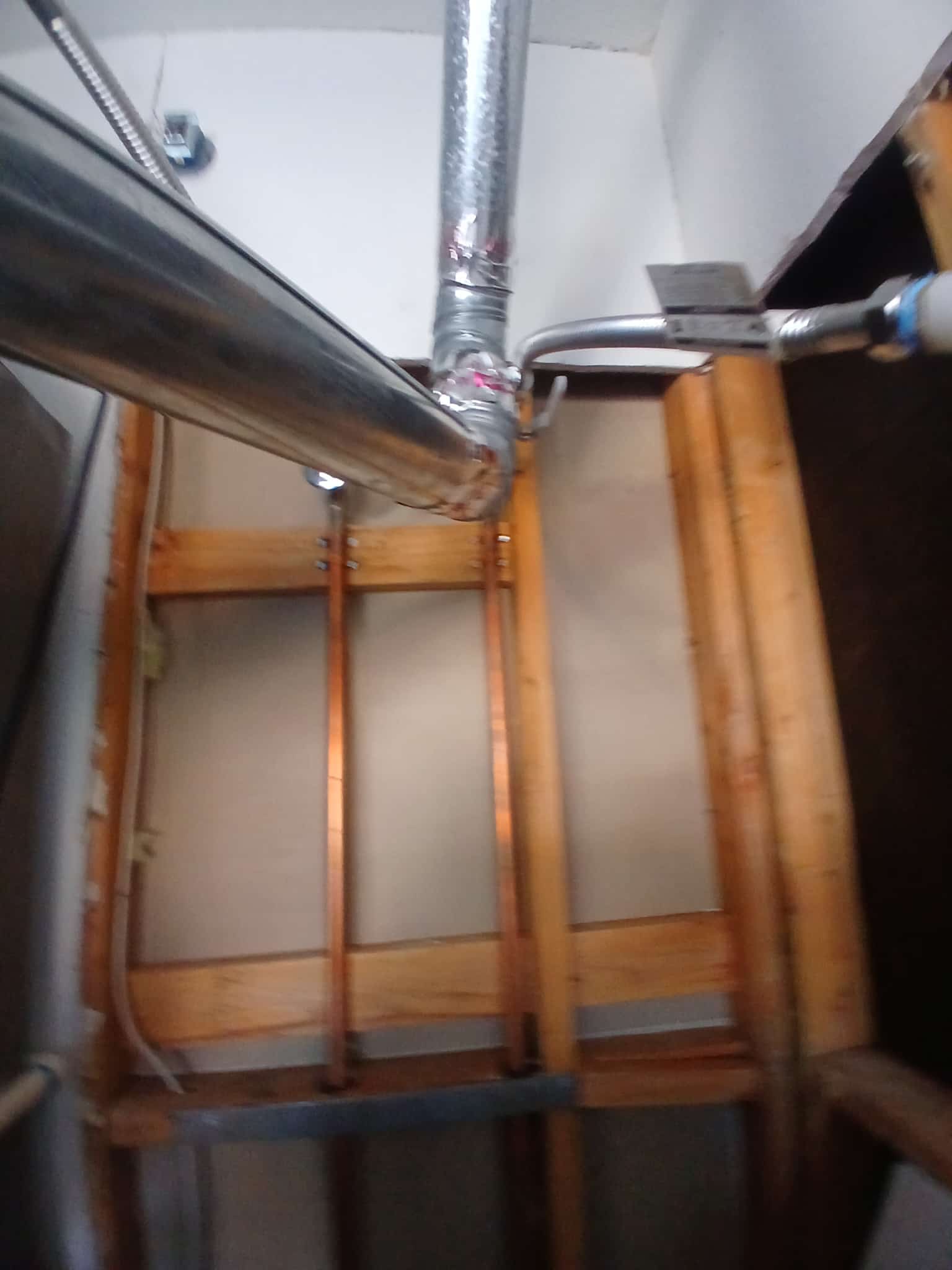
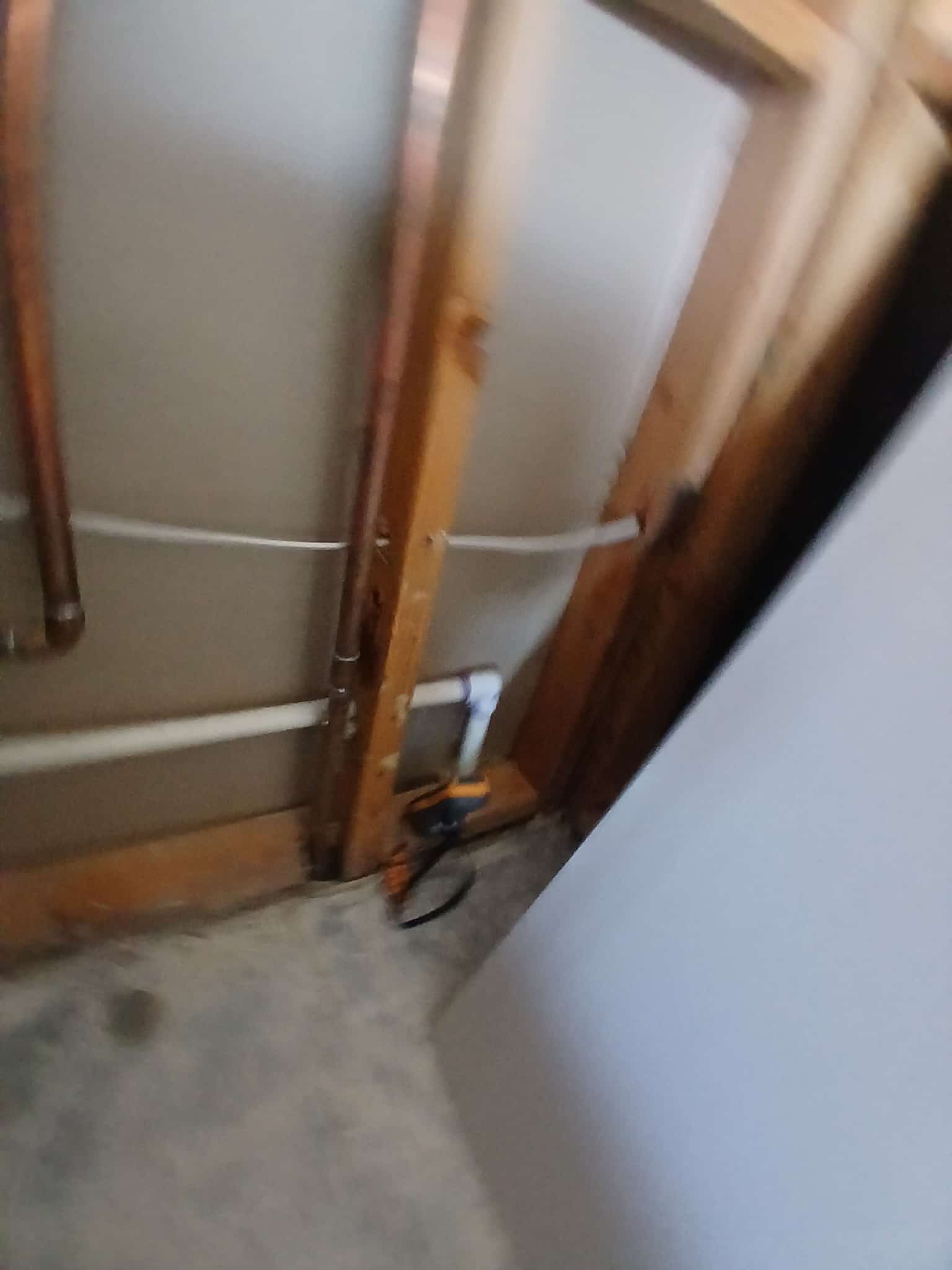
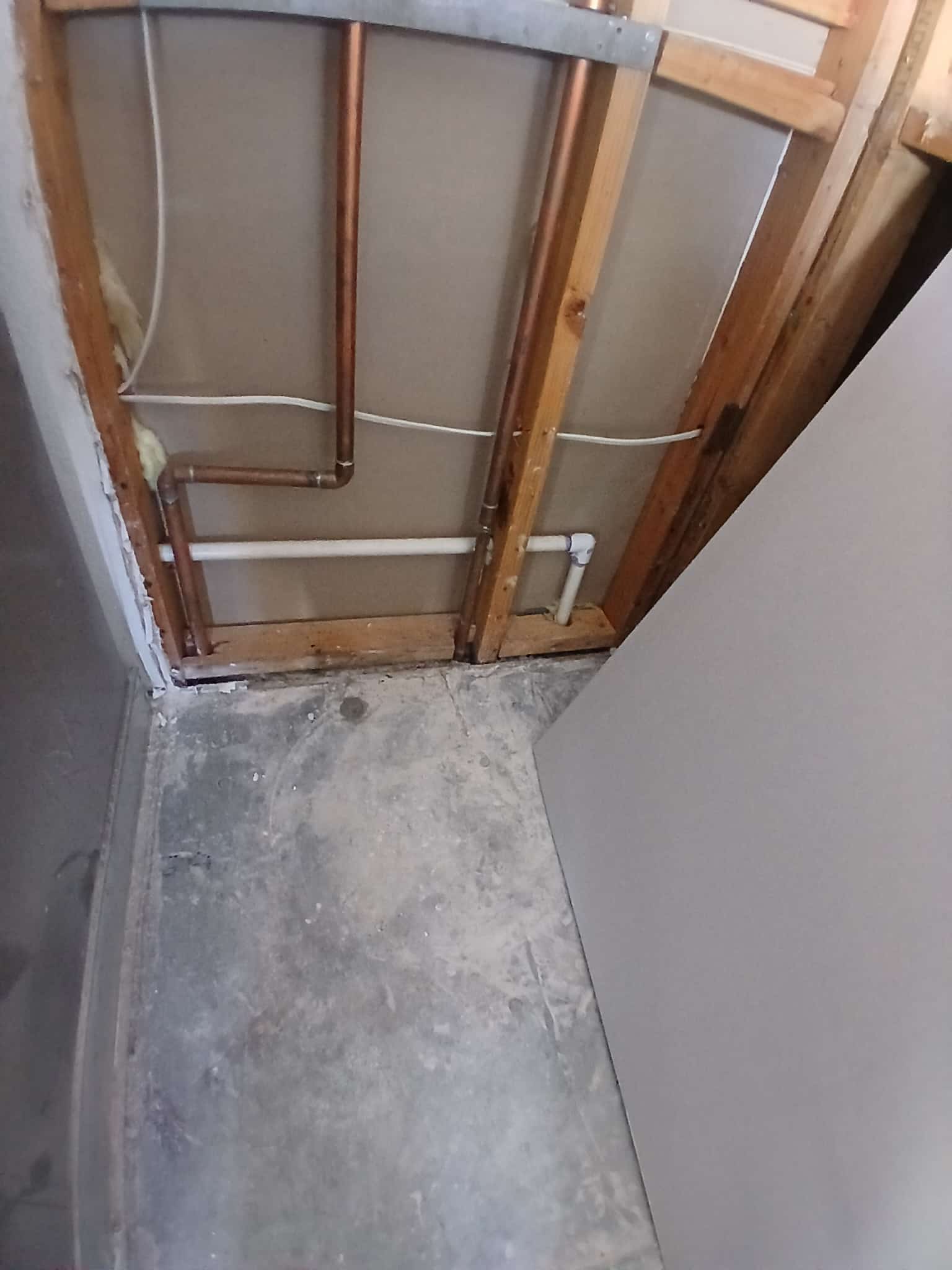
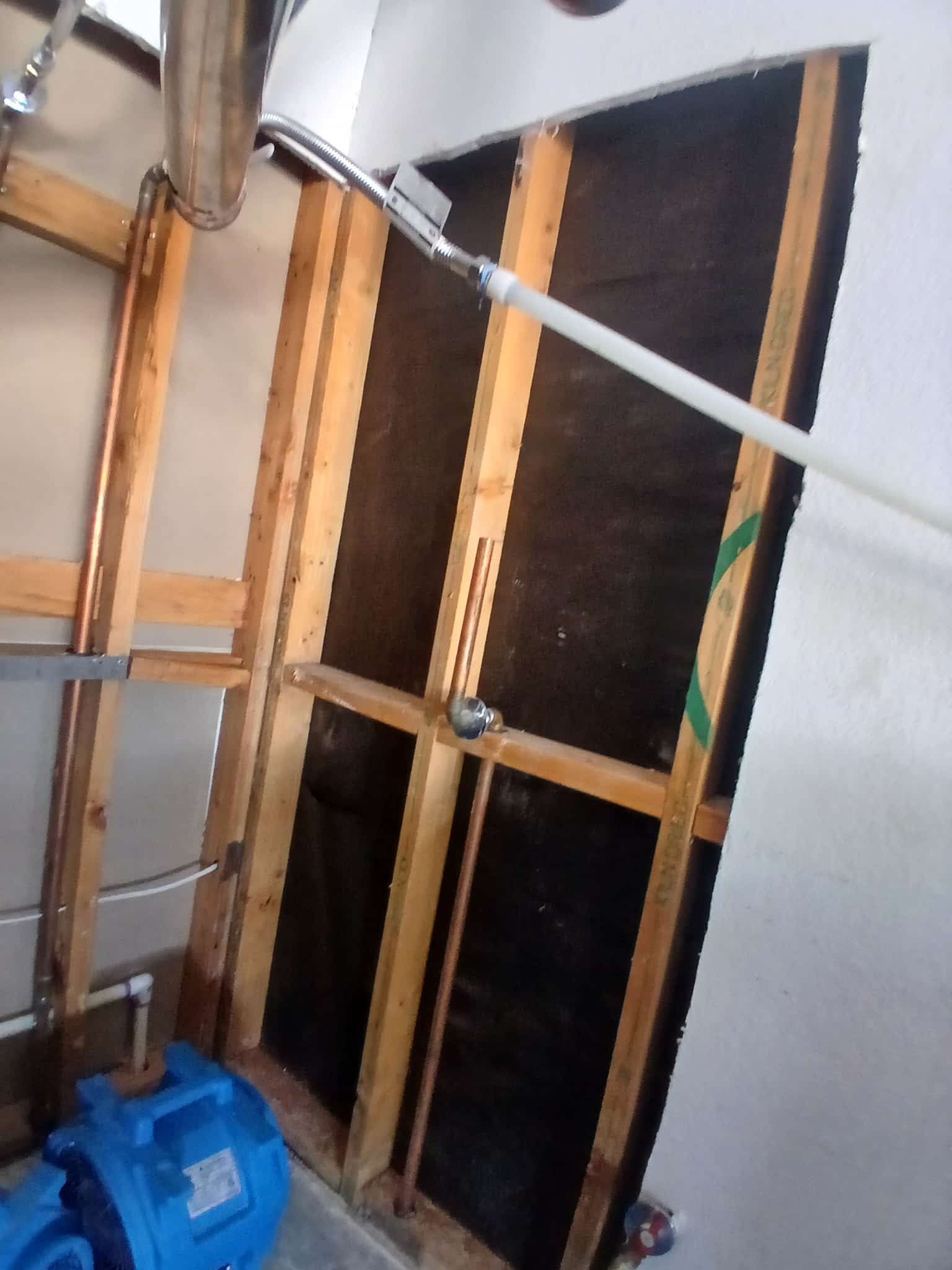
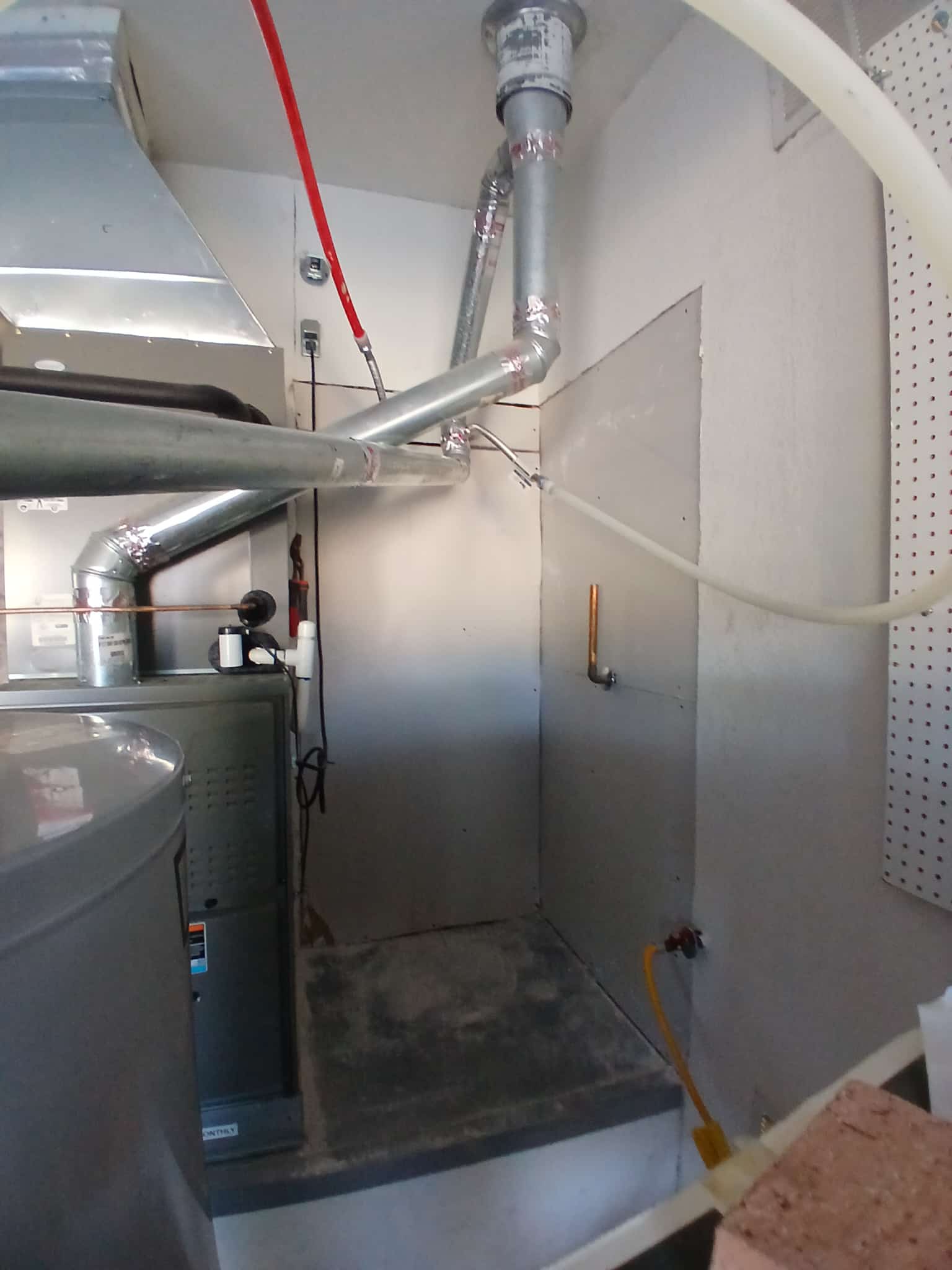
A failed water heater can dump a serious amount of water fast. One minute everything is fine, and the next your garage is soaked - walls, framing, concrete, all of it. That's exactly what we were dealing with here. Water had worked its way into the wall cavities, and without the right approach, that kind of hidden moisture turns into a much bigger problem down the road.
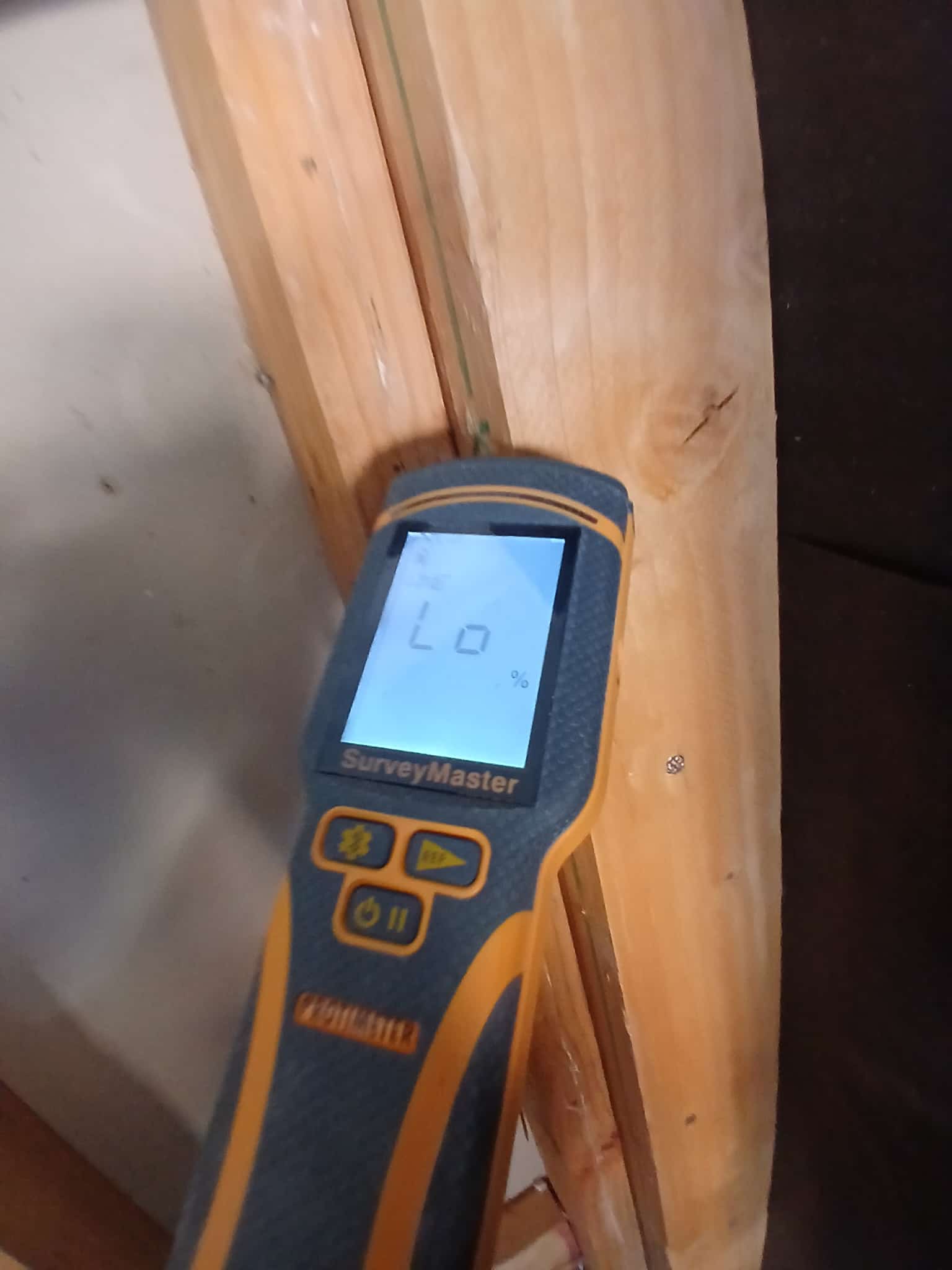
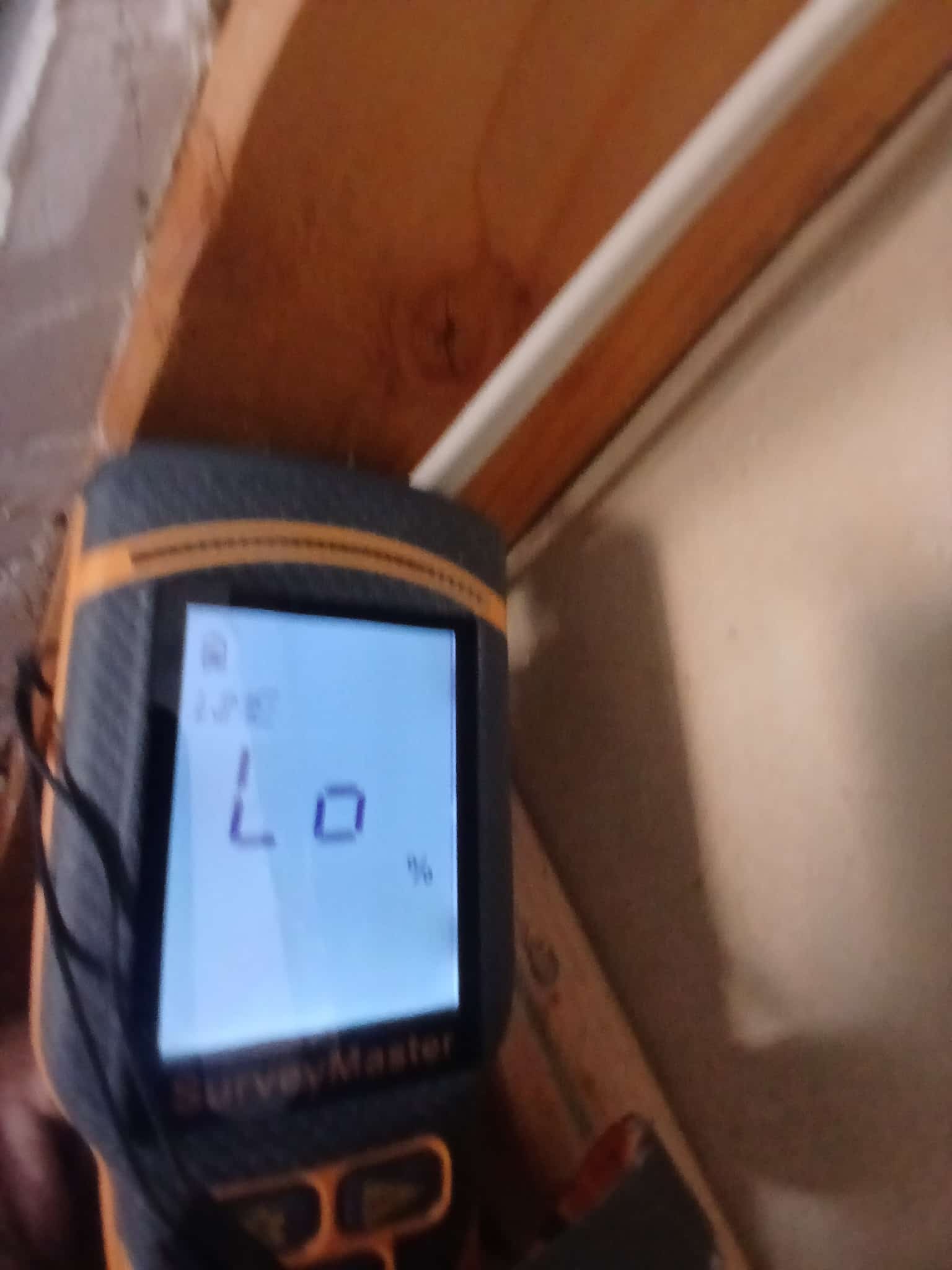
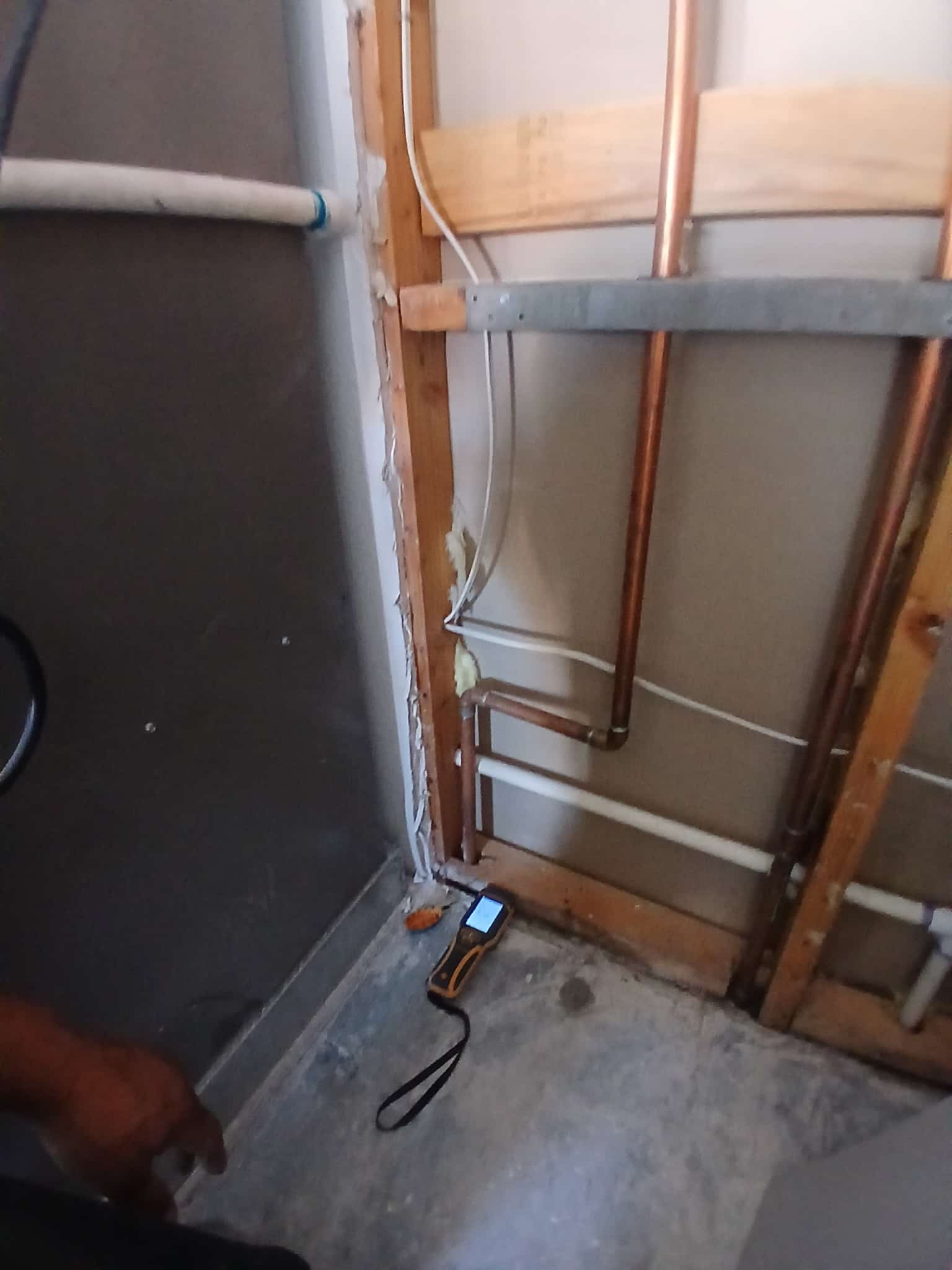
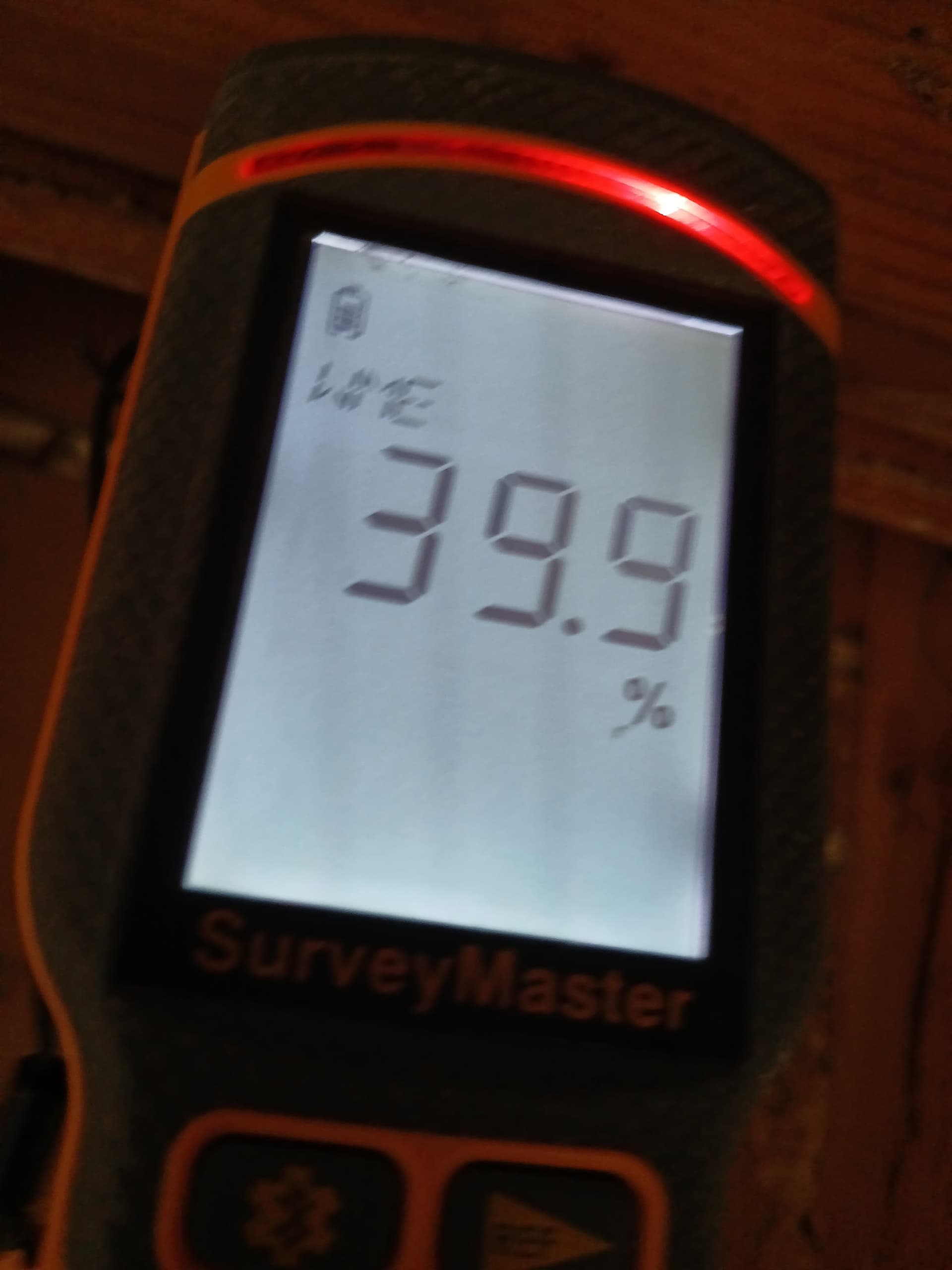
The first thing we do is figure out exactly where the moisture is and how bad it is. We use a SurveyMaster moisture meter to test framing, drywall, and any other materials that could be holding water. You can't just eyeball this stuff. Walls can feel dry to the touch and still be saturated inside. Getting real readings tells us what needs to come out and what can stay.
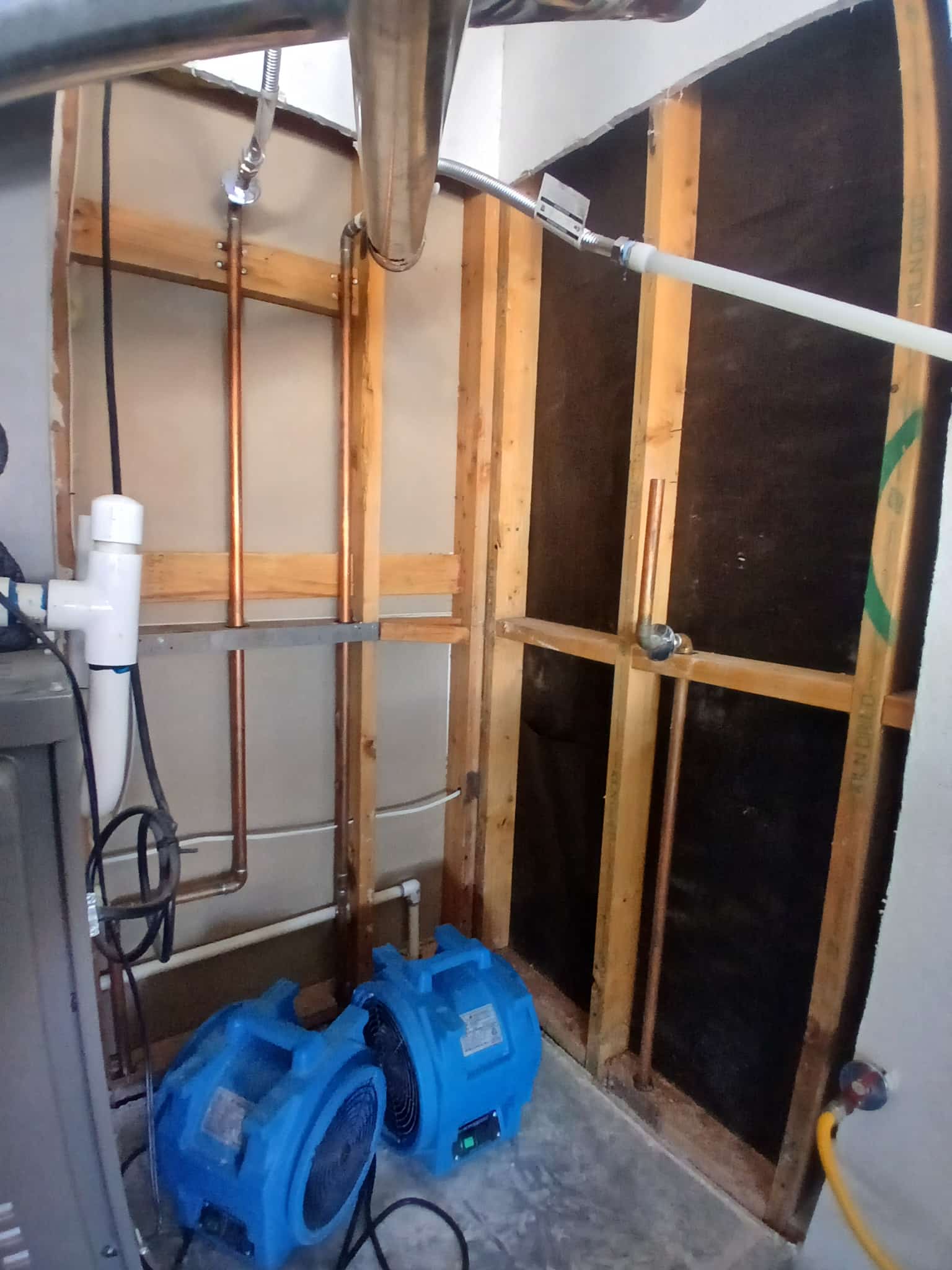
Once we had a clear picture of the damage, we opened up the affected walls and got drying equipment in place. The blue air movers you see positioned at the base of the open wall cavities are doing exactly what they're designed to do - pushing high-velocity air across wet surfaces to pull moisture out efficiently. This step is critical. Skip it or rush it, and you're setting yourself up for mold issues later.
We kept testing throughout the drying process to make sure the numbers were actually coming down. That's not something every crew does, but it matters. Moisture readings don't lie, and we won't wrap up a job until we're confident the structure is genuinely dry - not just dry enough.
Water damage from a failed water heater is stressful. It's unexpected, it's messy, and it can feel overwhelming. Our job is to take that chaos and work through it methodically so the headache doesn't turn into a disaster. That's what water restoration services are really about - getting in fast, doing it right, and making sure the problem is actually solved.