Slab Water Line Burst Floods Entire Home - Here's What We Found
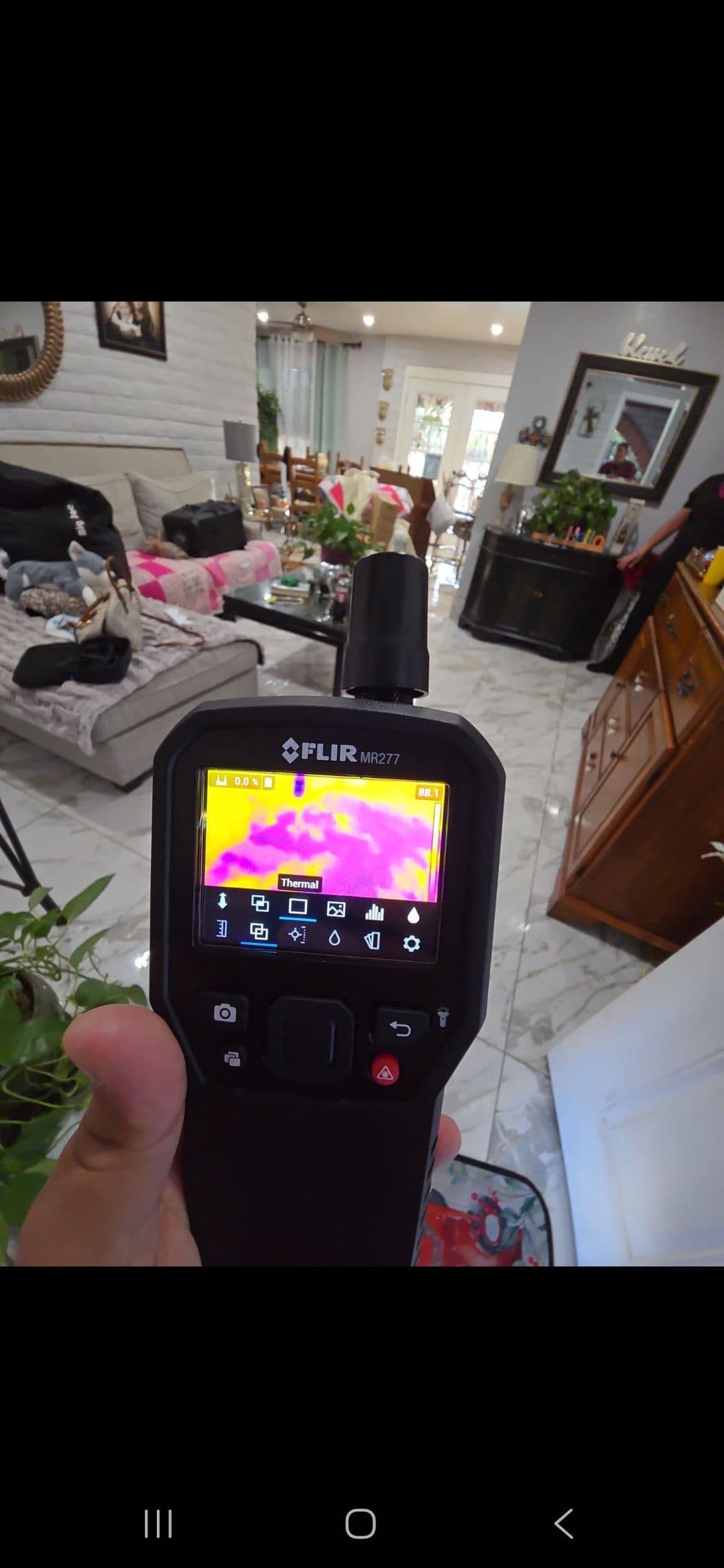
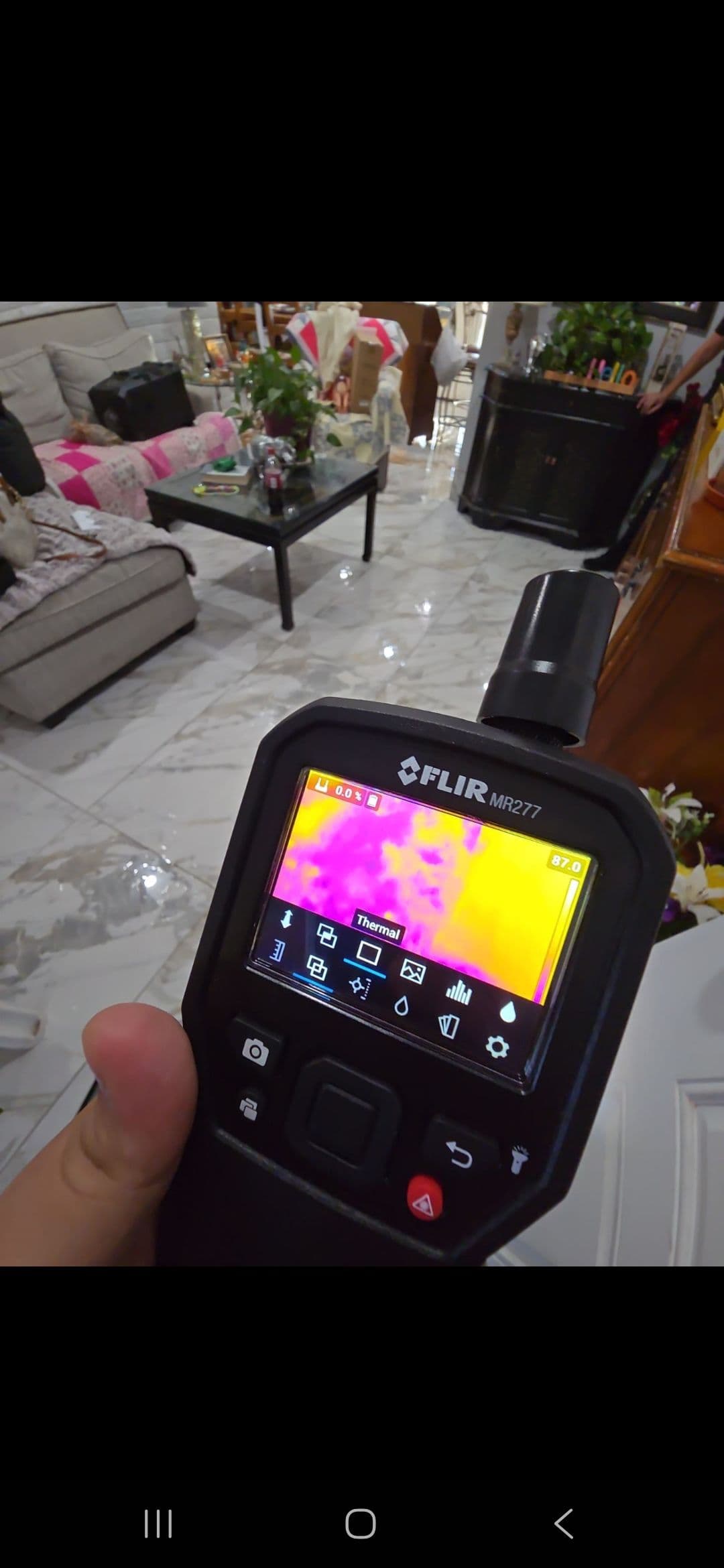
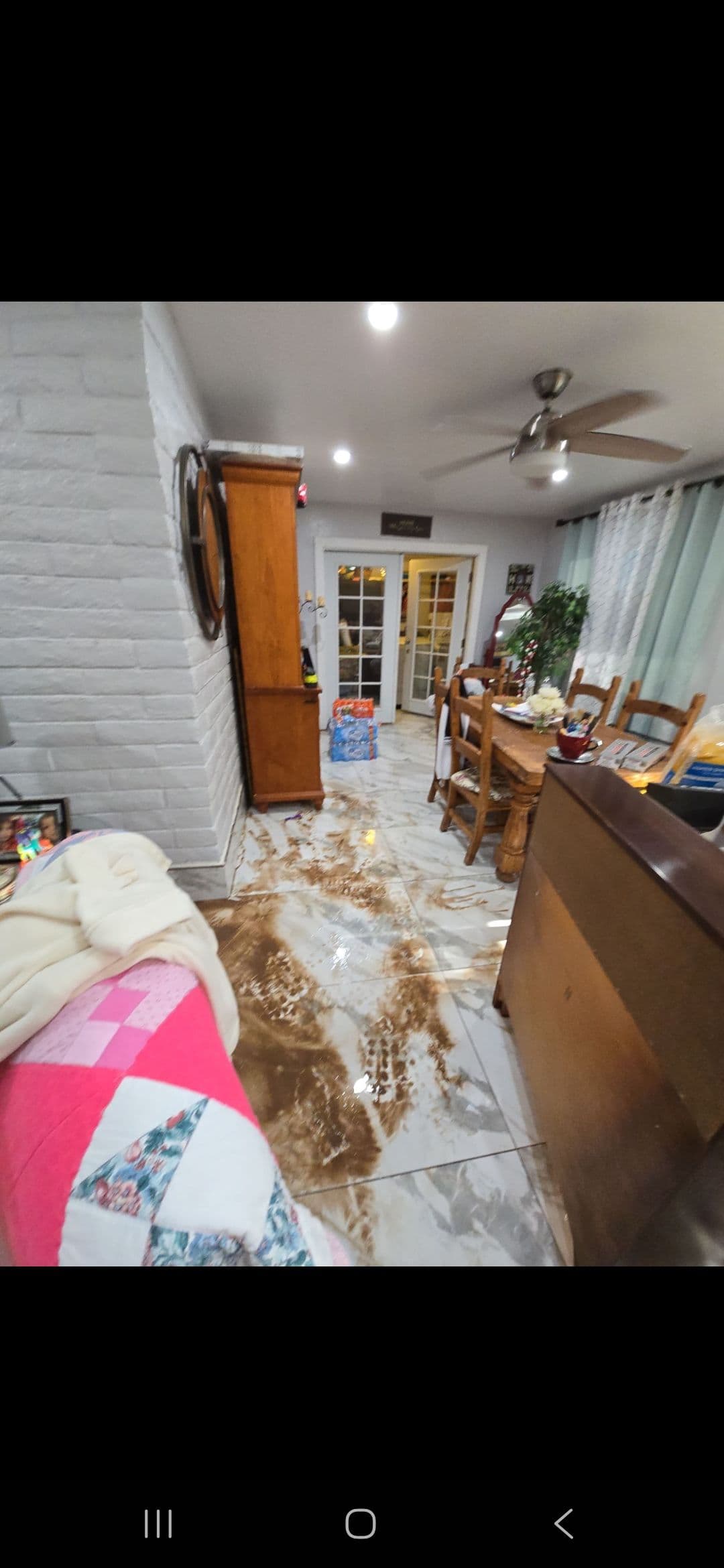
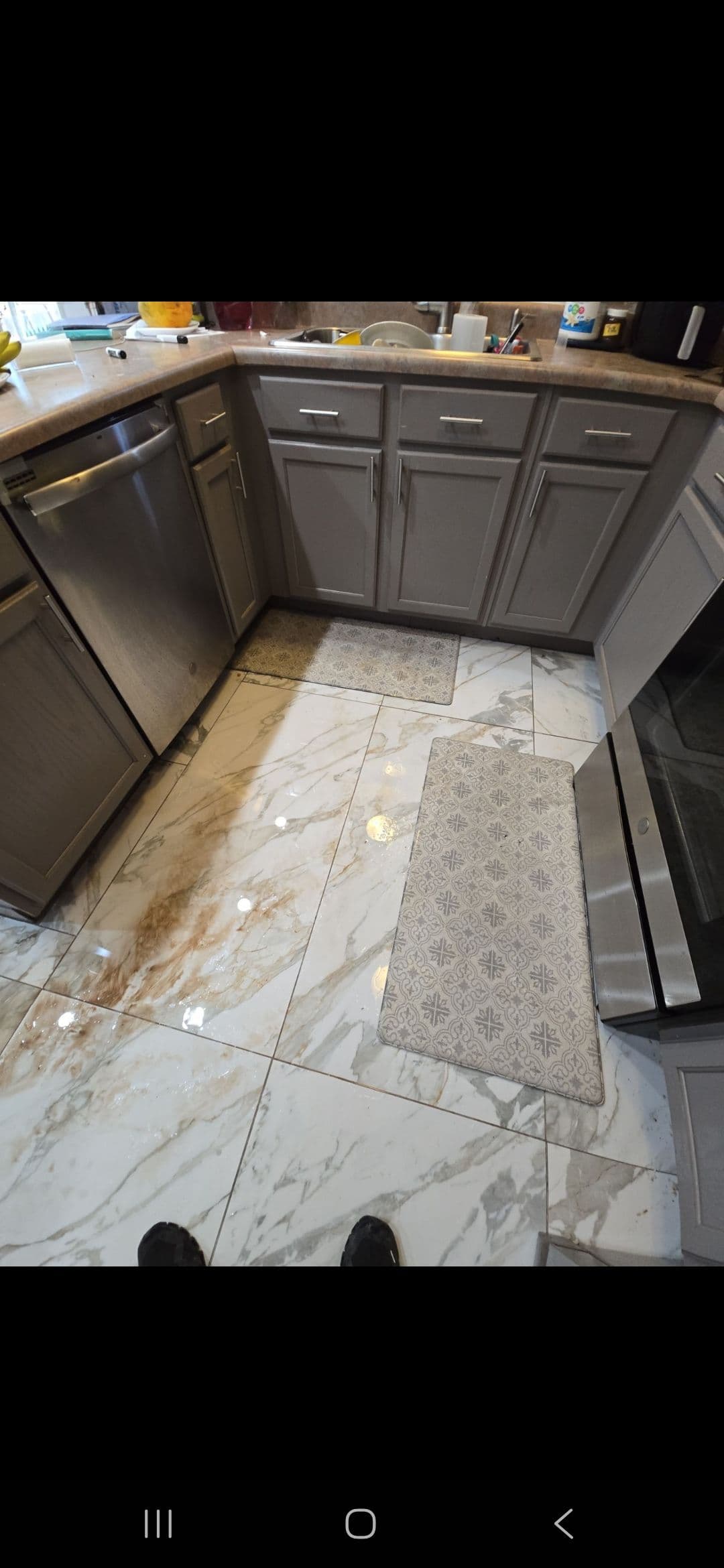
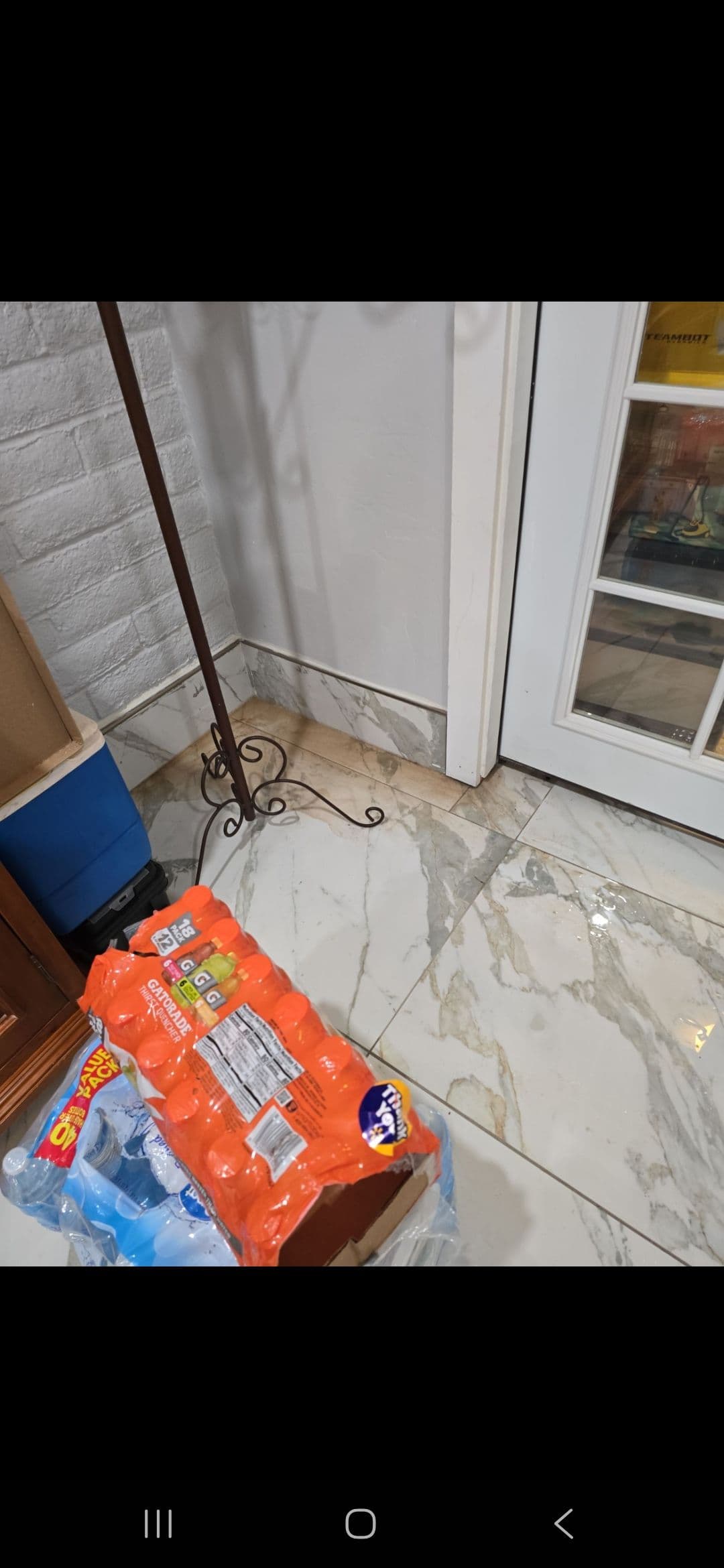
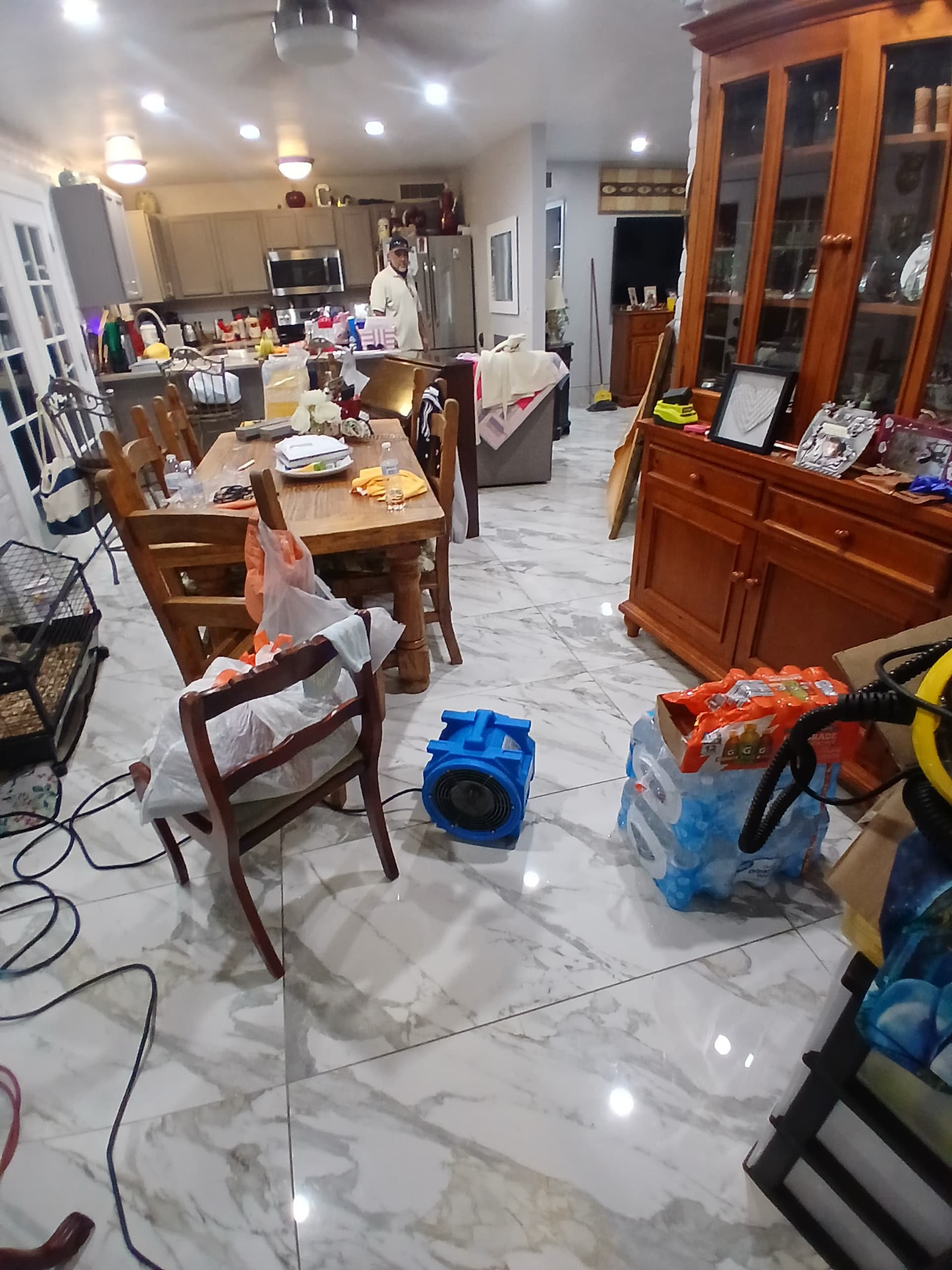
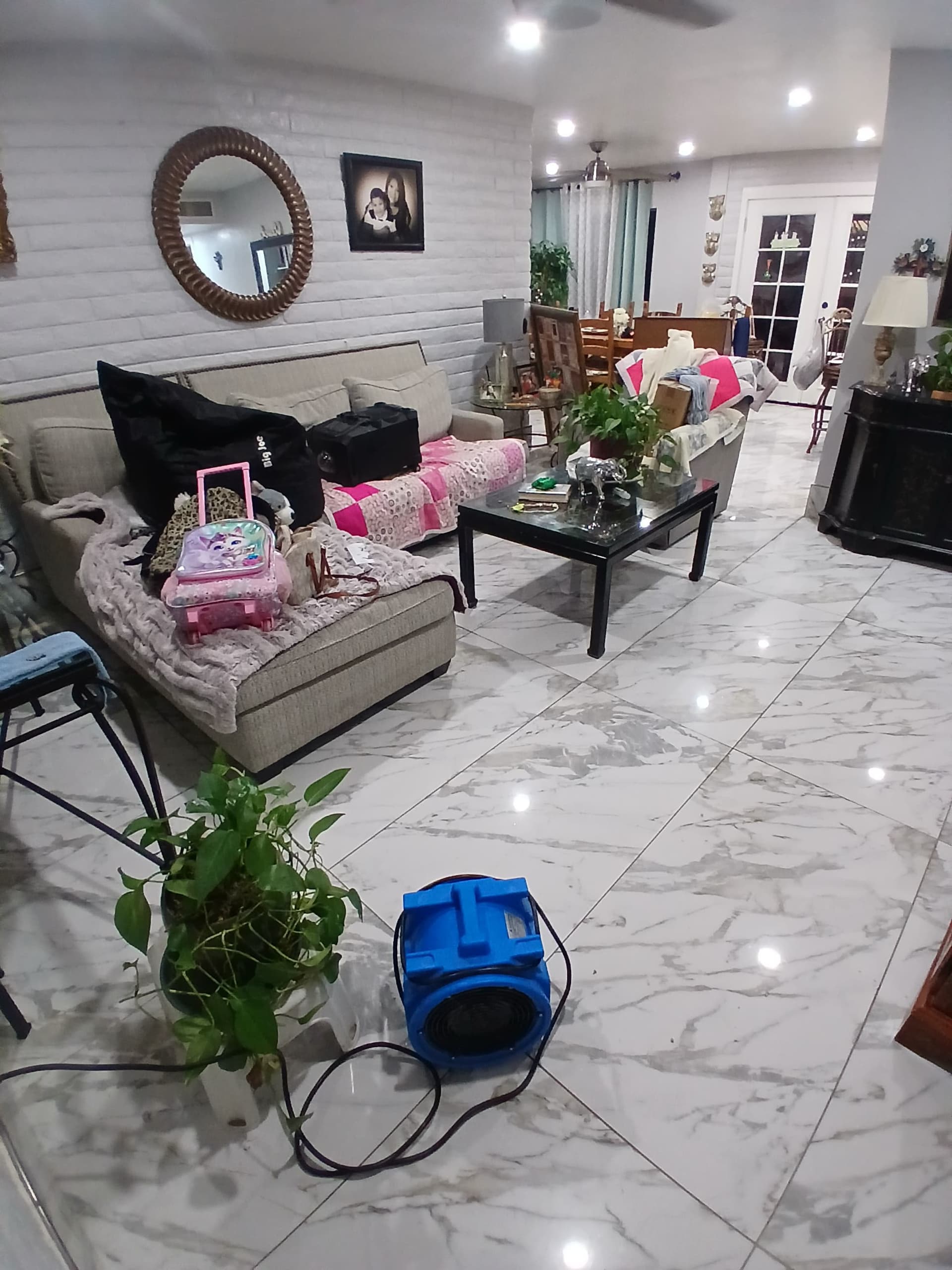
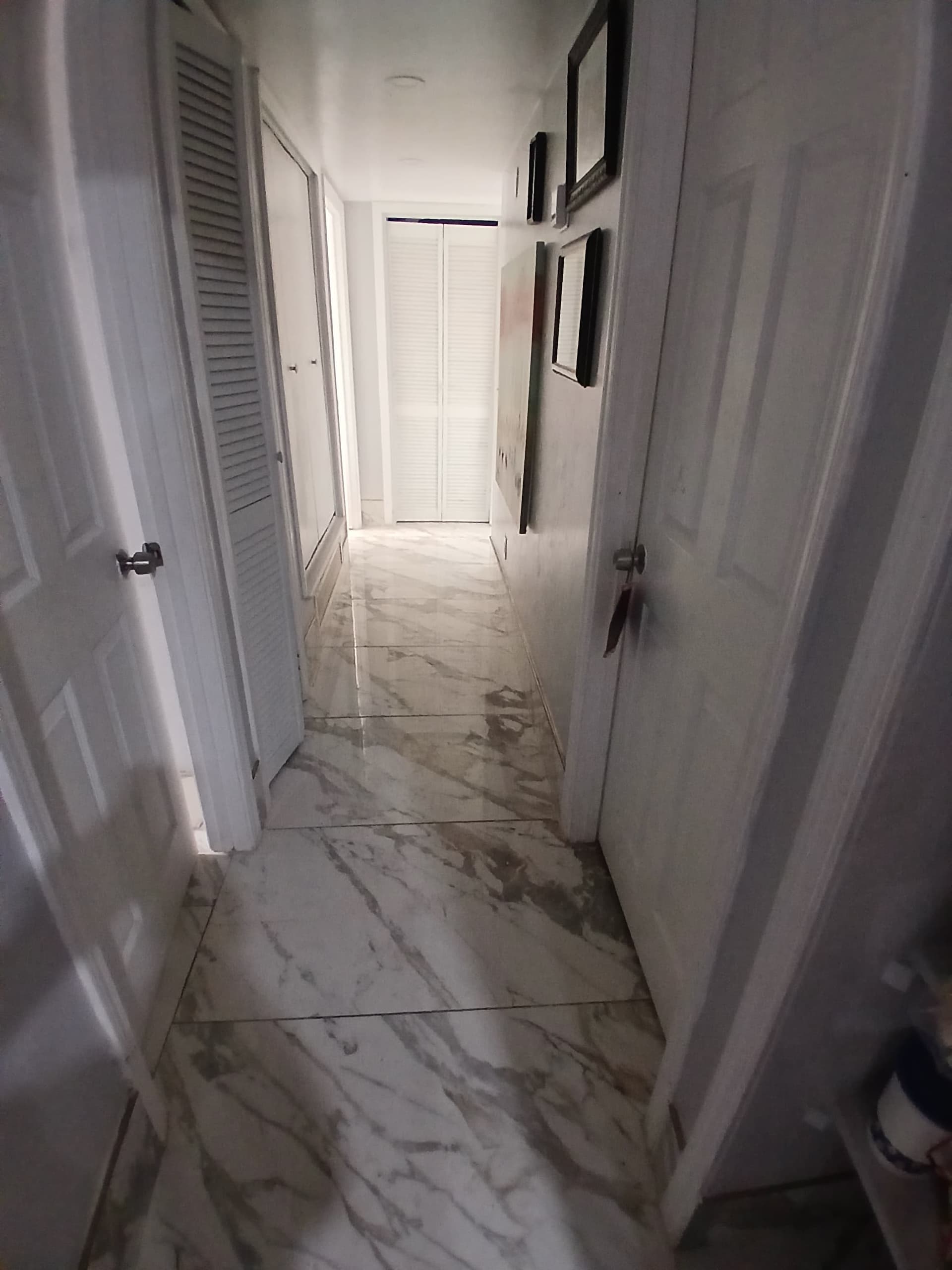
A water line buried in the slab gave out - and by the time anyone noticed, water had been running all day. We're talking the living room, the kitchen, the hallway, all of it. Soaked. This wasn't a slow drip situation. It was a full-scale flood inside someone's home.
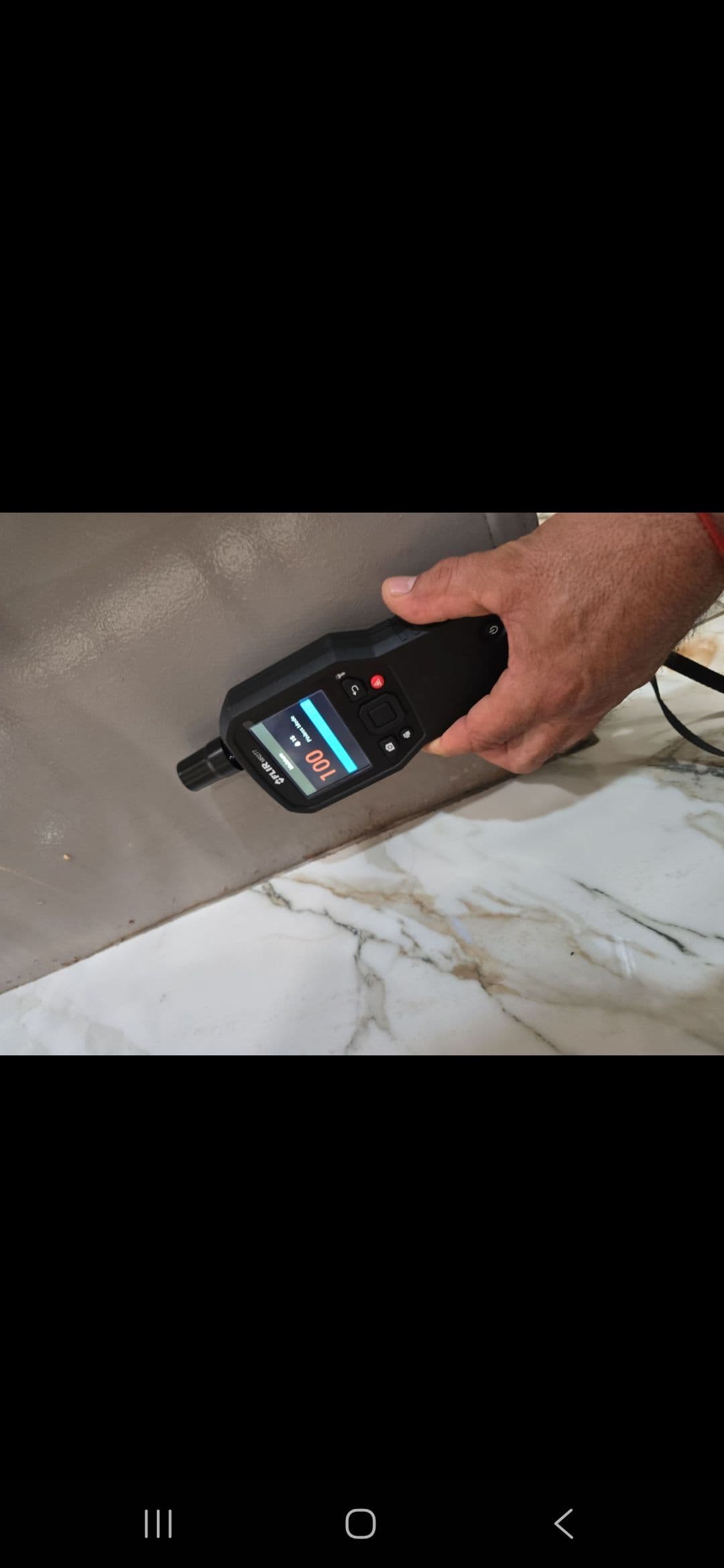
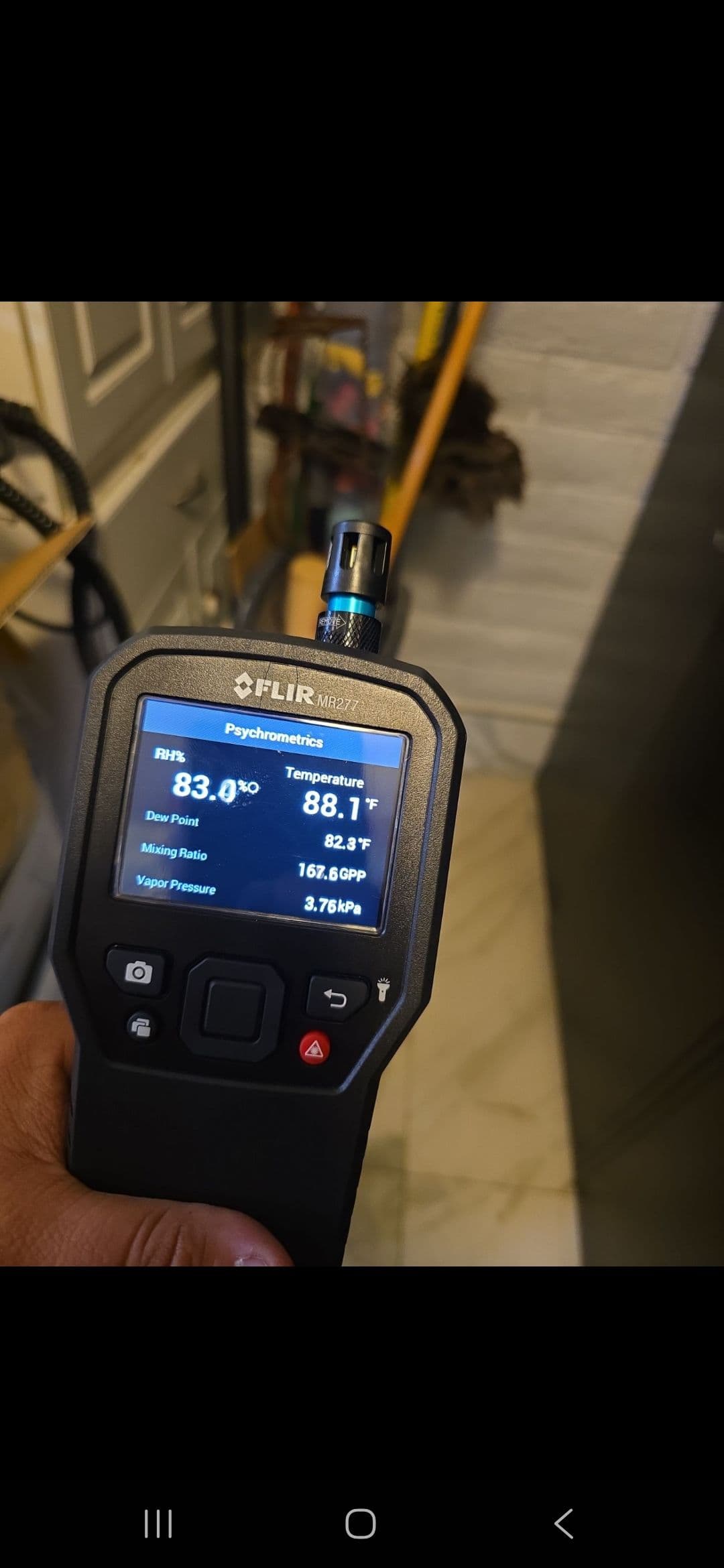
The first thing we did when we got on site was pull out our thermal imaging equipment and moisture meters to map exactly where the water had traveled. Water is sneaky. It moves under tile, into walls, and through subfloor material long before you can see it with the naked eye. That's why guessing doesn't cut it here - you need hard data. Our FLIR MR277 picked up moisture spread across multiple rooms, and the psychrometric readings showed the indoor air was already at 83% relative humidity with a temperature of 88.1 degrees. Those numbers matter because they tell us exactly how aggressive the drying process needs to be.
Once we had a clear picture of the damage, we got air movers in place and started the drying process right away. Speed is everything in water restoration. The longer moisture sits, the more likely you are to deal with secondary damage - think mold, warped flooring, and structural issues that cost far more to fix. We weren't waiting around.
Now here's the part a lot of homeowners stress about - insurance. This homeowner has a legitimate loss caused by a sudden, accidental slab line failure. That's generally the kind of thing a standard homeowner's policy covers. We documented everything thoroughly from the start, which is exactly what insurance carriers need to move forward with a claim. We'll keep you posted on how this one plays out.
Situations like this one are exactly why we do what we do. A water line doesn't pick a convenient time to fail. When it happens, you need someone who shows up fast, knows what they're looking at, and gets to work. That's us.