Kitchen Leak Turned Into Major Water Damage - Here's How We Fixed It
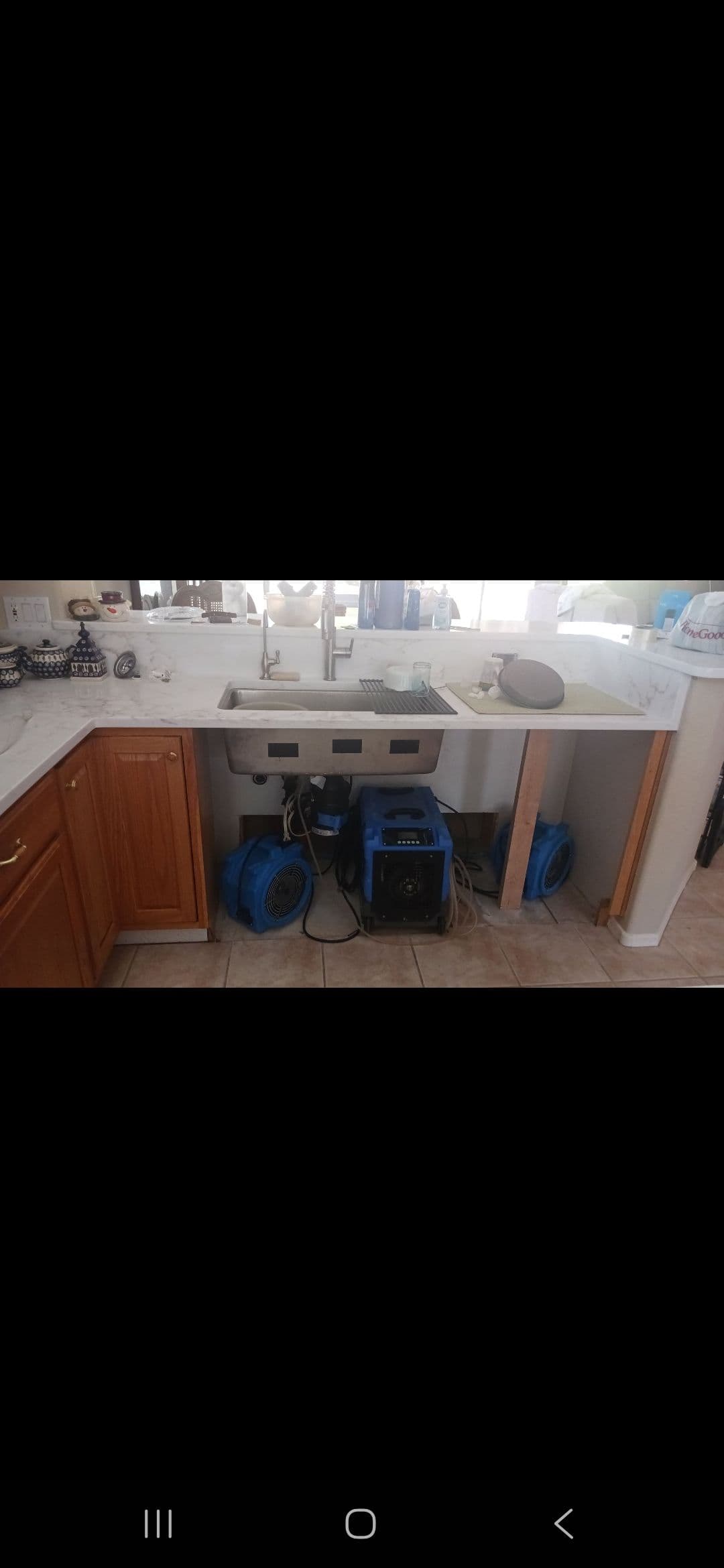
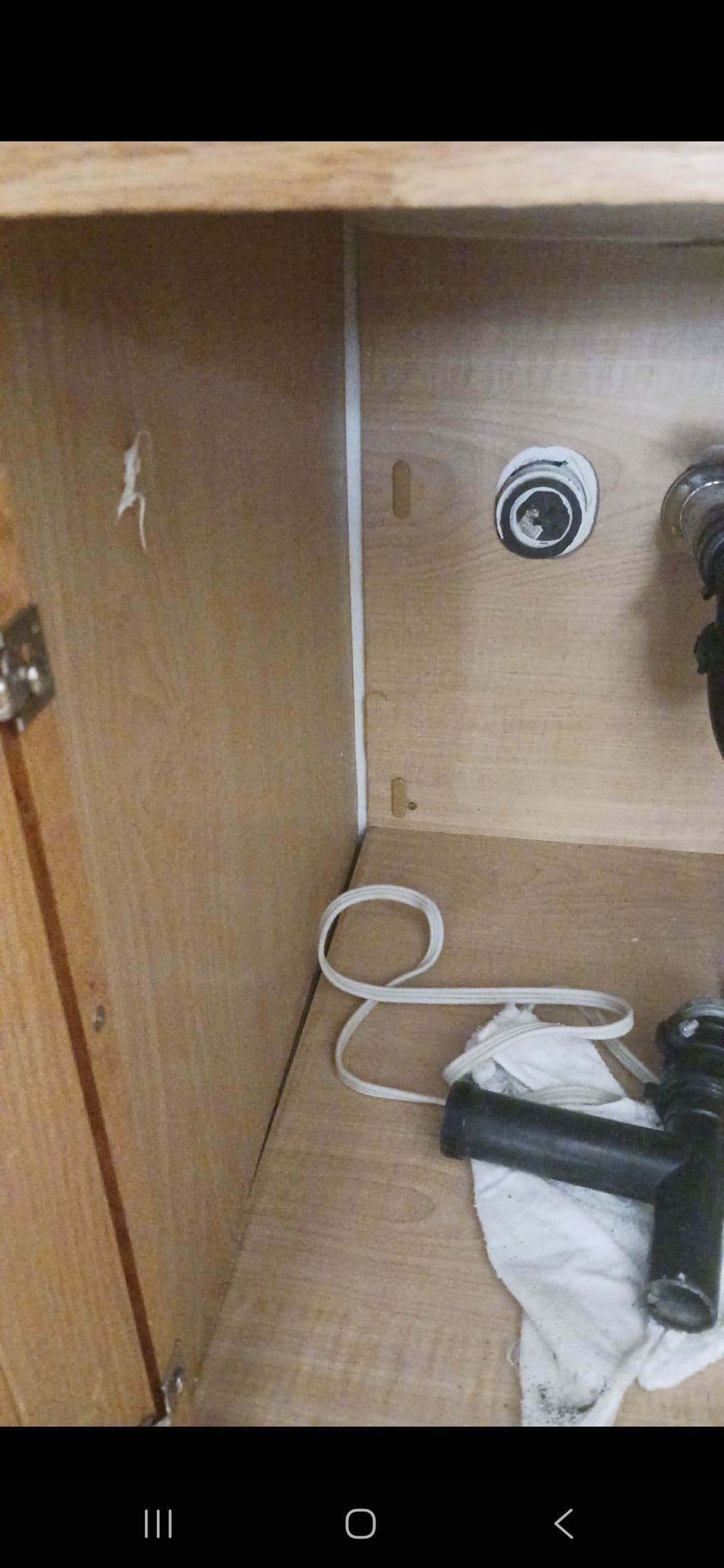
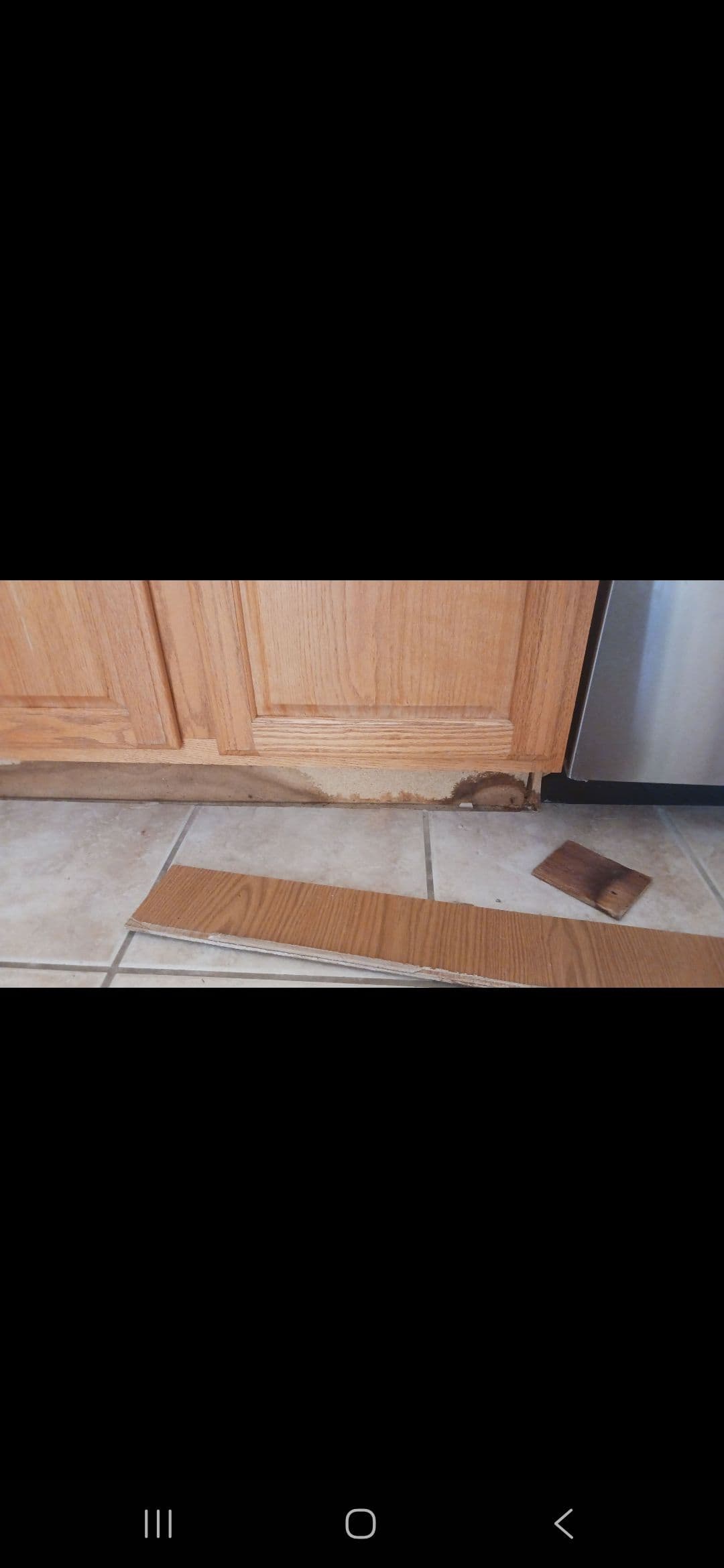
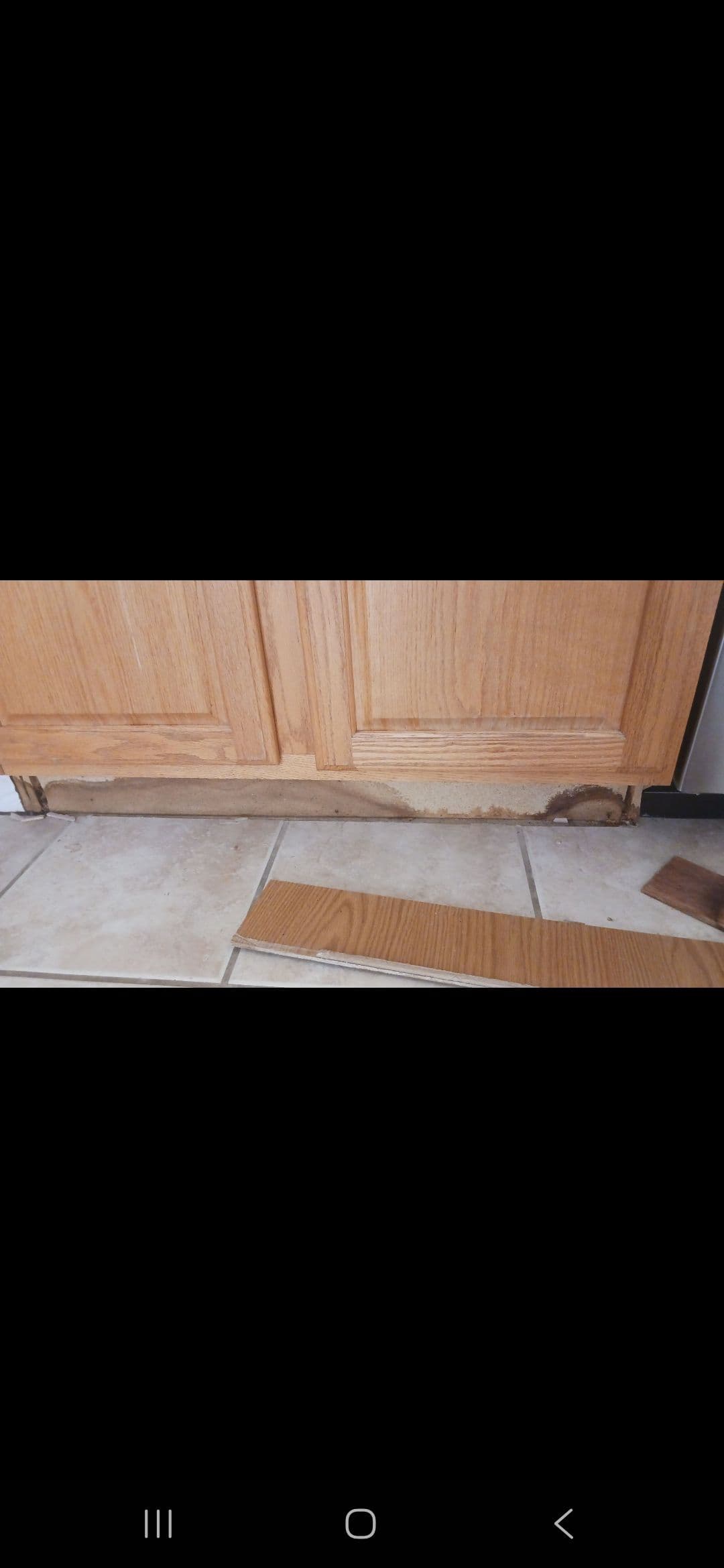
A leak under the kitchen sink sounds small. But water doesn't stay where you can see it. It soaks into cabinet bases, wicks up into the wood framing, and spreads under flooring before you ever notice anything is wrong. By the time most homeowners call us, the damage goes way beyond what's visible on the surface.
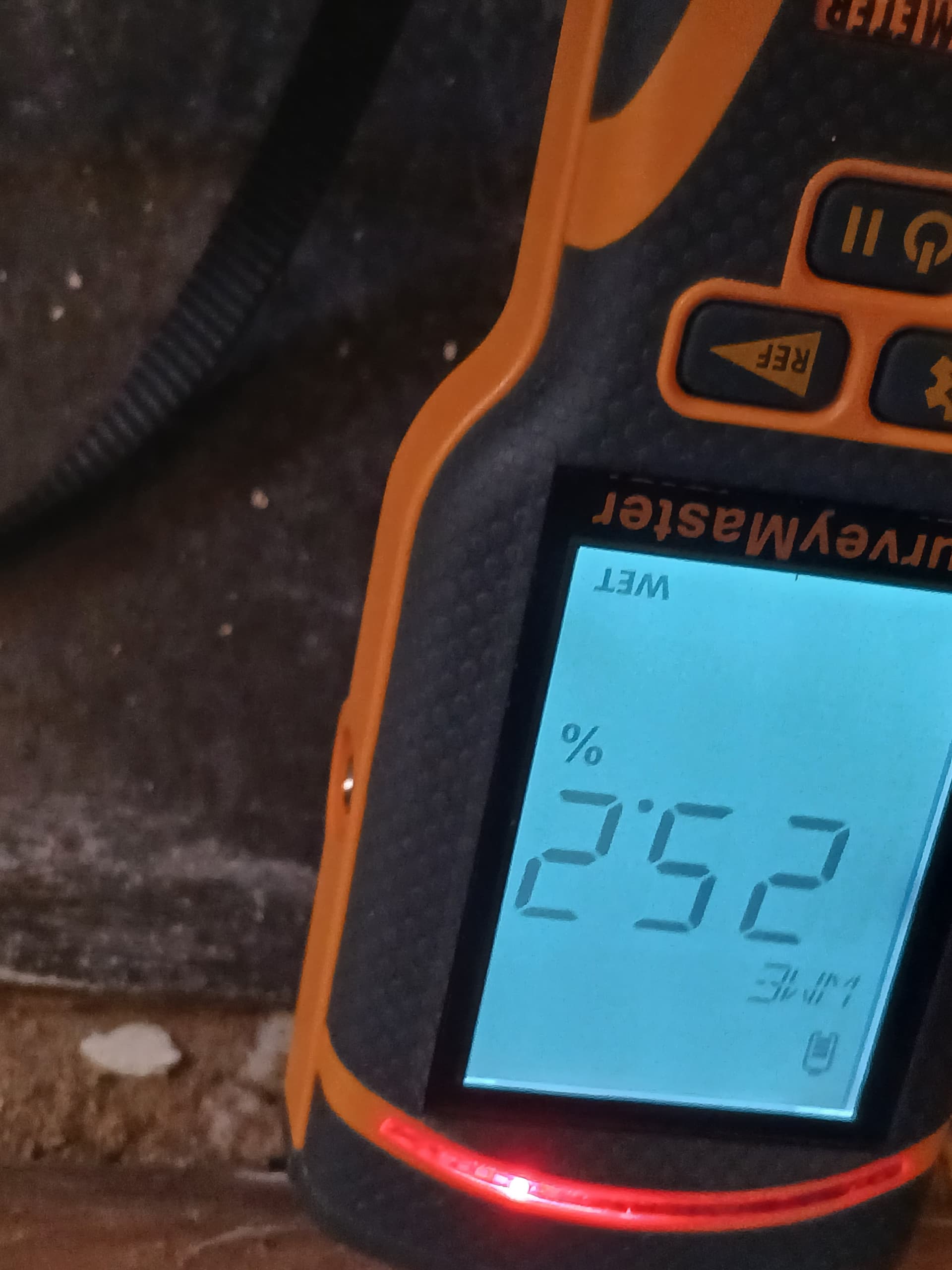
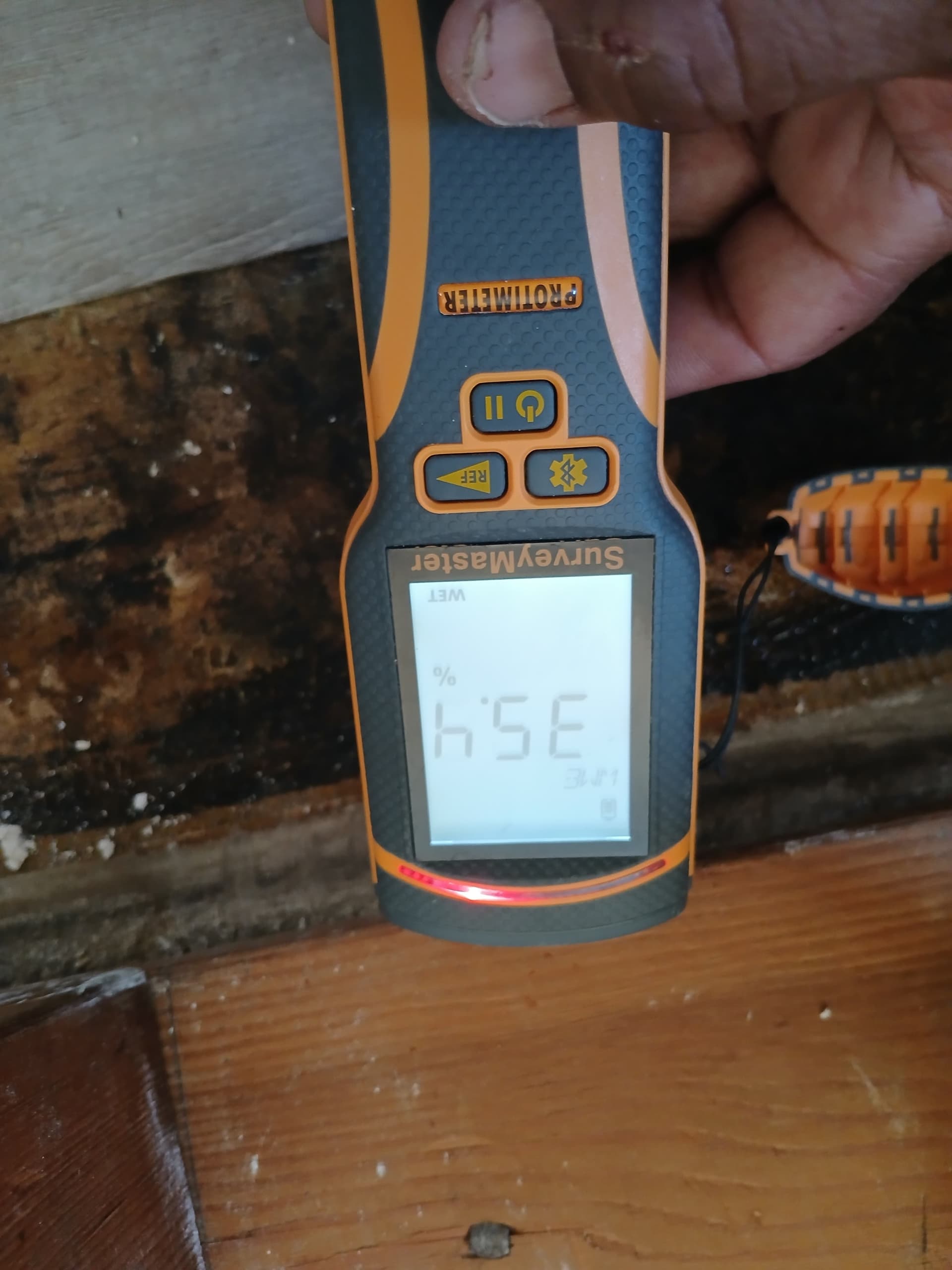
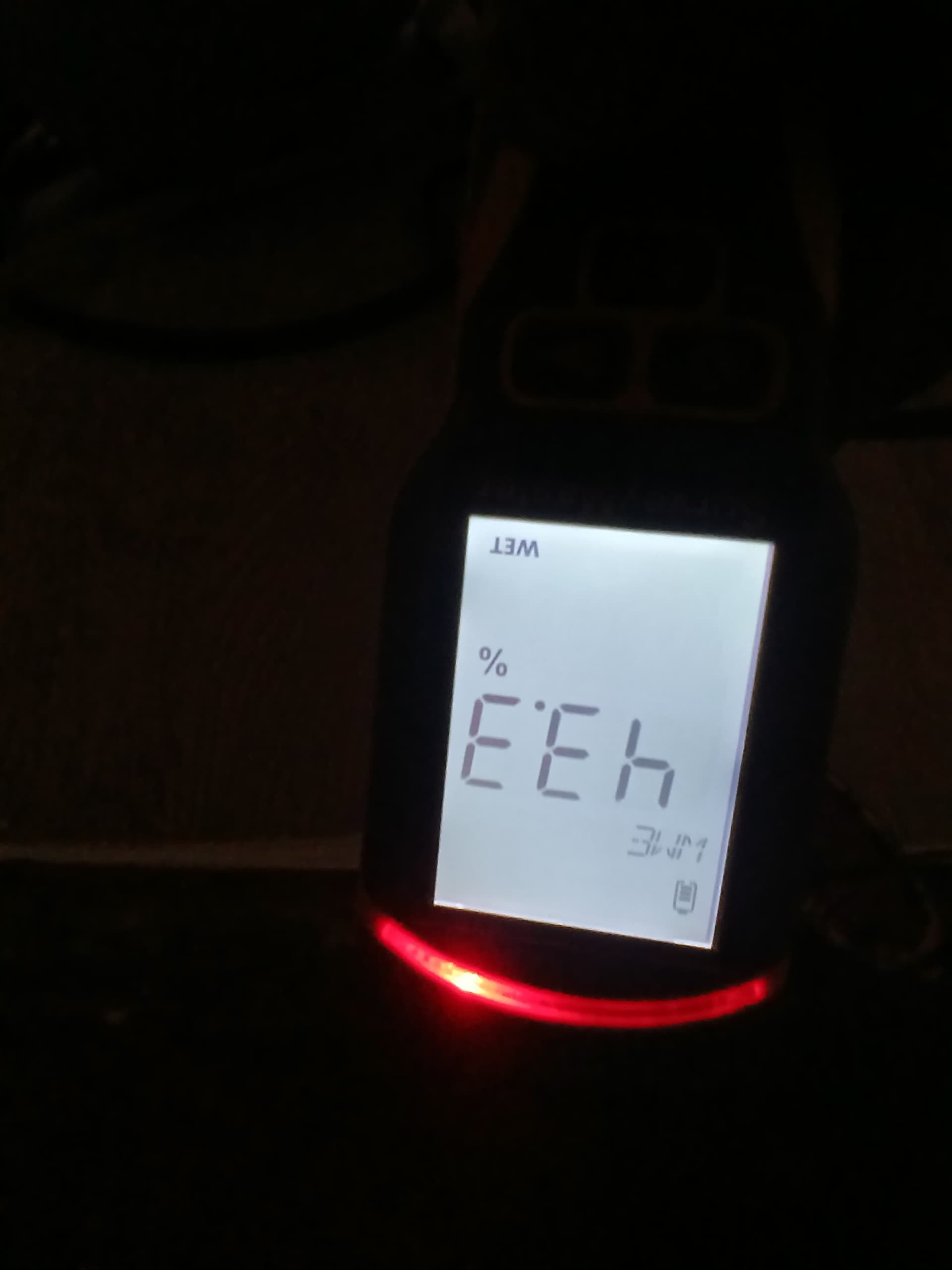
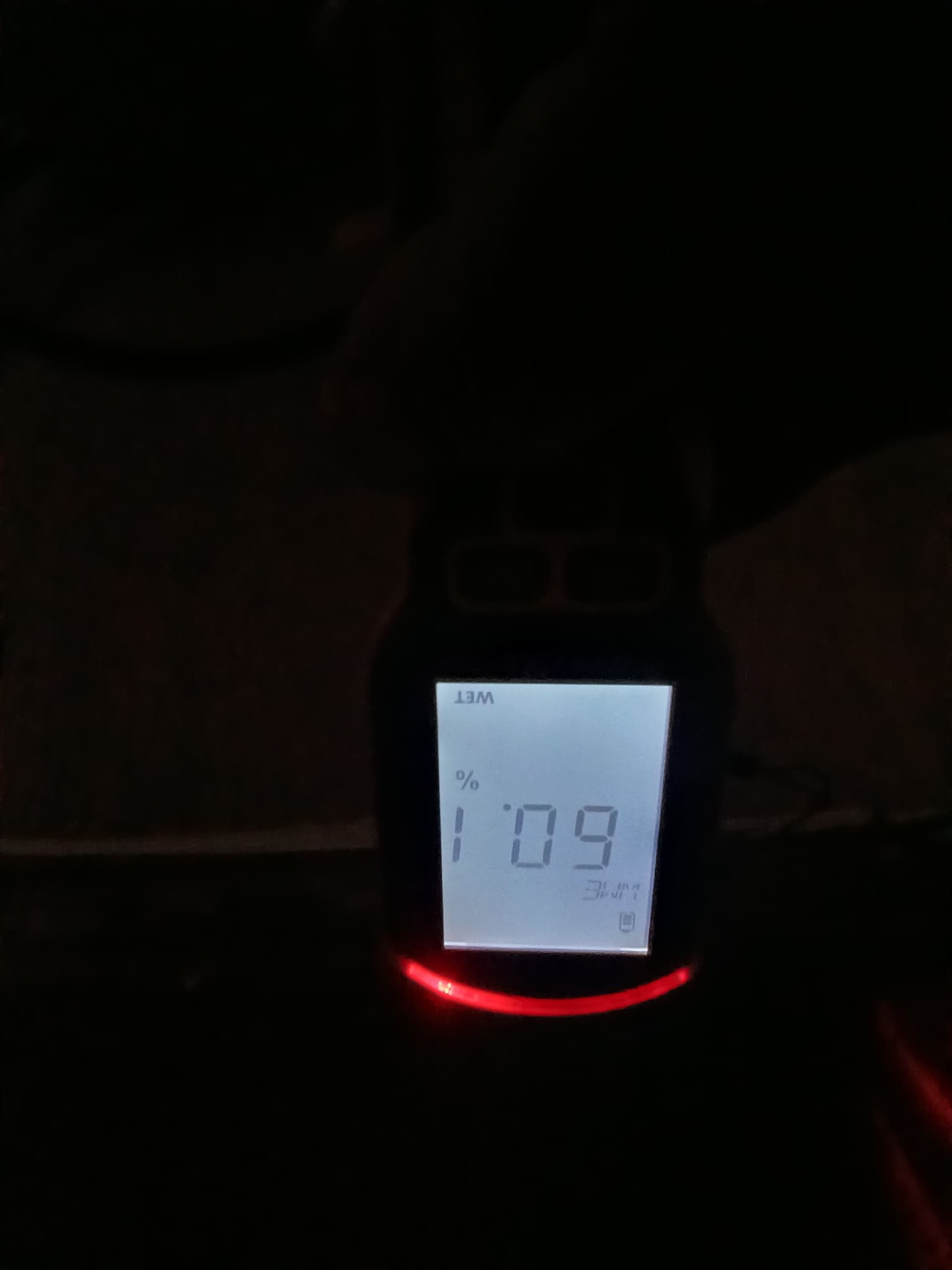
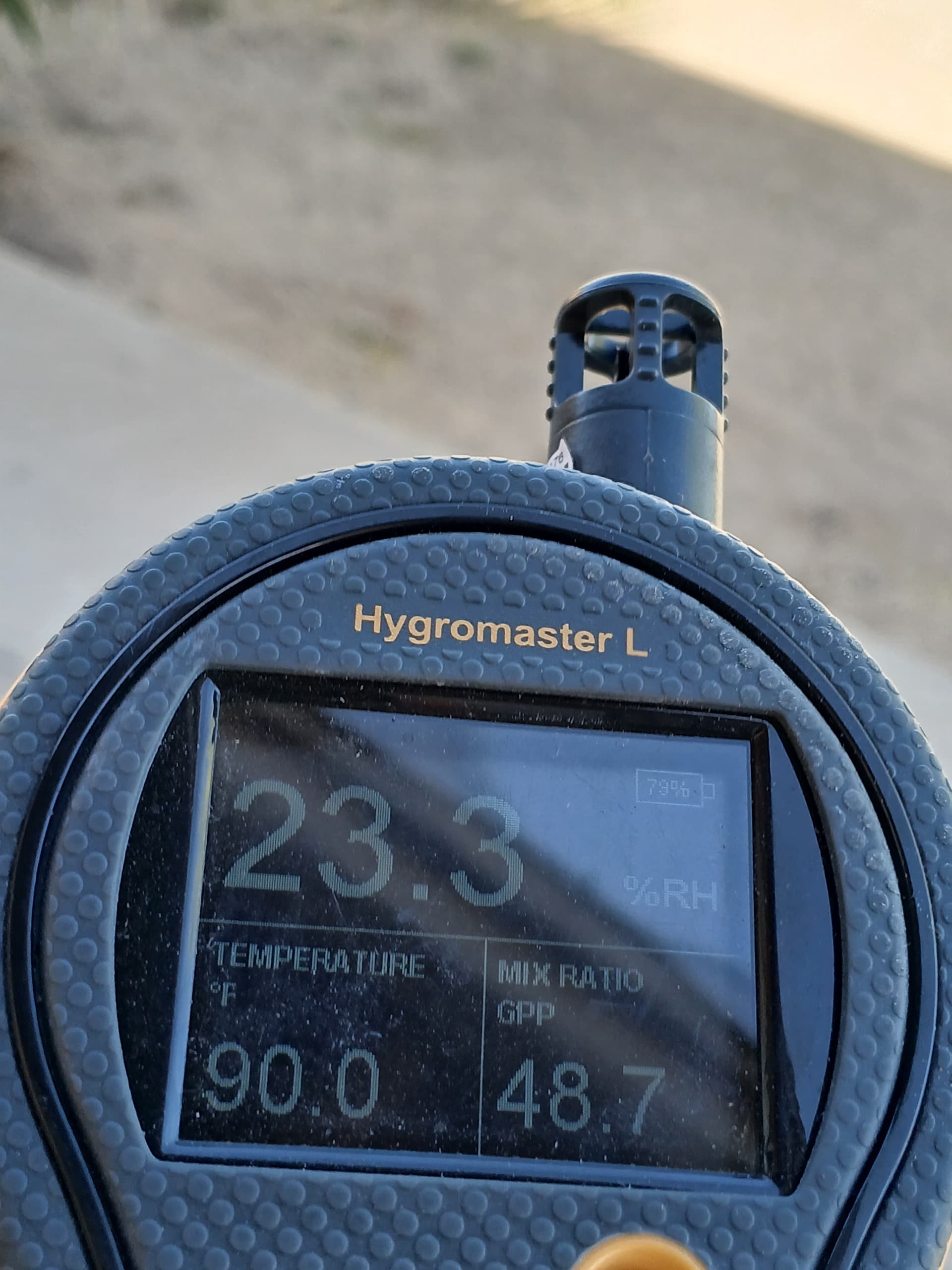
That's exactly what we were dealing with here. The cabinet base was waterlogged and starting to deteriorate, and the surrounding area had already taken on serious moisture. We started with water extraction, then used our moisture meters to map out exactly where the saturation had spread. The readings told the full story - material well into the "WET" range, flagged red, across multiple points throughout the space. Nothing guesswork about it.
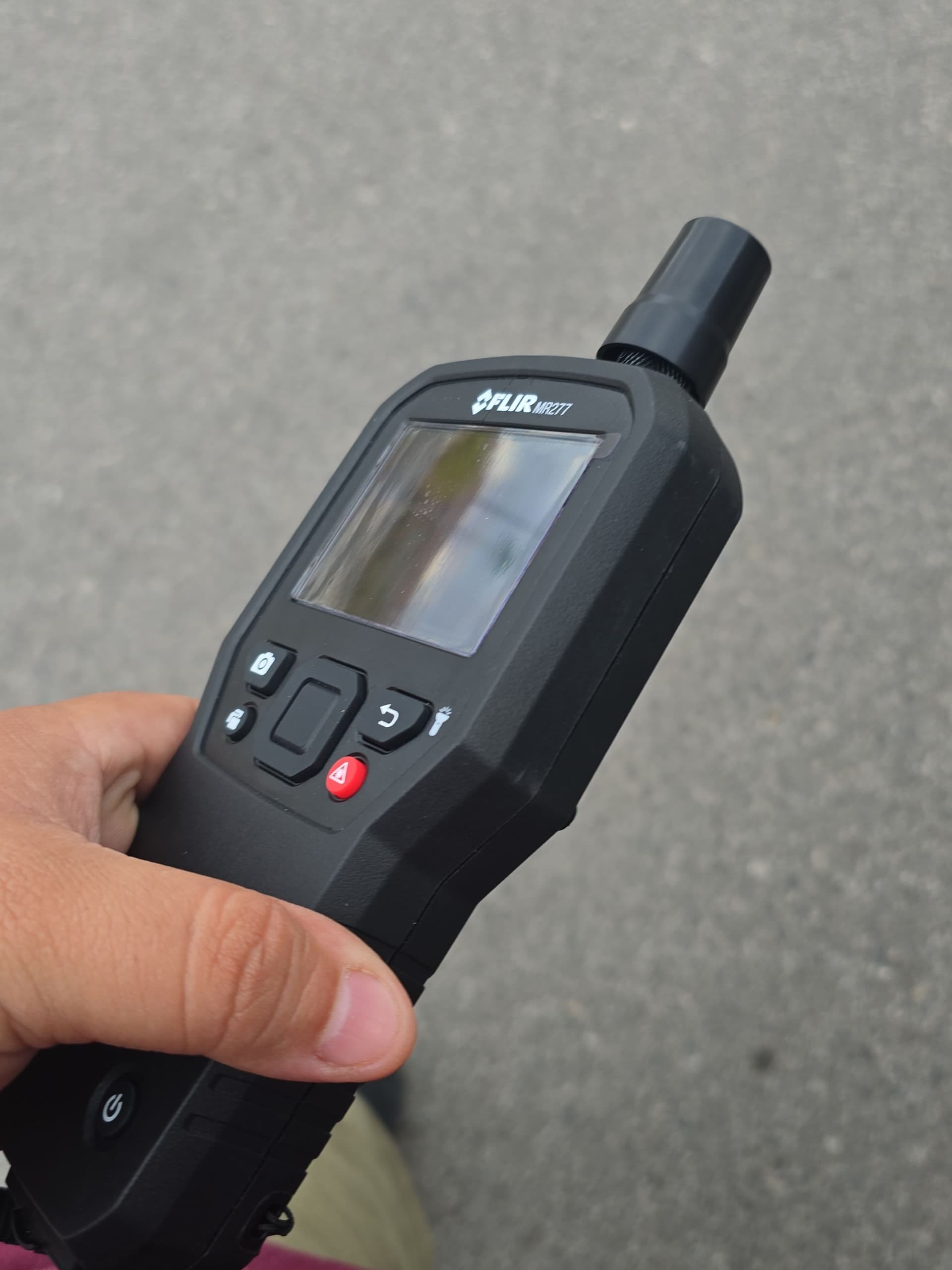
Once we knew the full scope, we moved into demo - pulling out the damaged material and sanitizing everything before drying could begin. We set commercial air movers and drying equipment directly in the affected area to push air through every surface and cavity. We also used a FLIR thermal camera to check for moisture hiding behind walls and in spots you can't reach with a standard meter. If it's wet, we find it.
Skipping any one of those steps - extraction, proper readings, demo, sanitizing, drying - is how water damage turns into a mold problem. And mold remediation is a whole different level of work. Getting the drying process right the first time is what protects the home long-term. That's the approach we take on every water restoration job, no matter the size.