How We Handle Water Damage When Contamination Is Involved
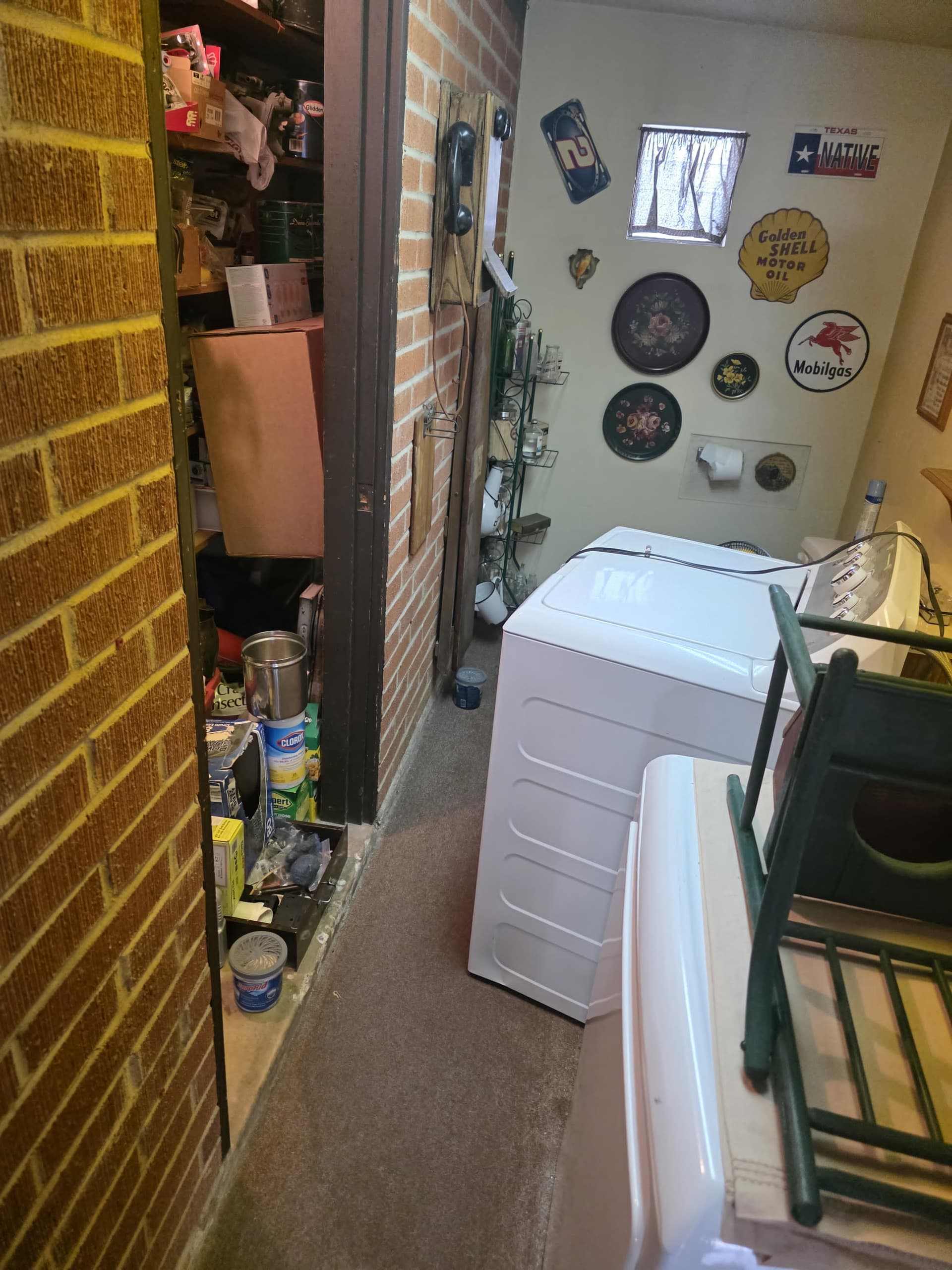
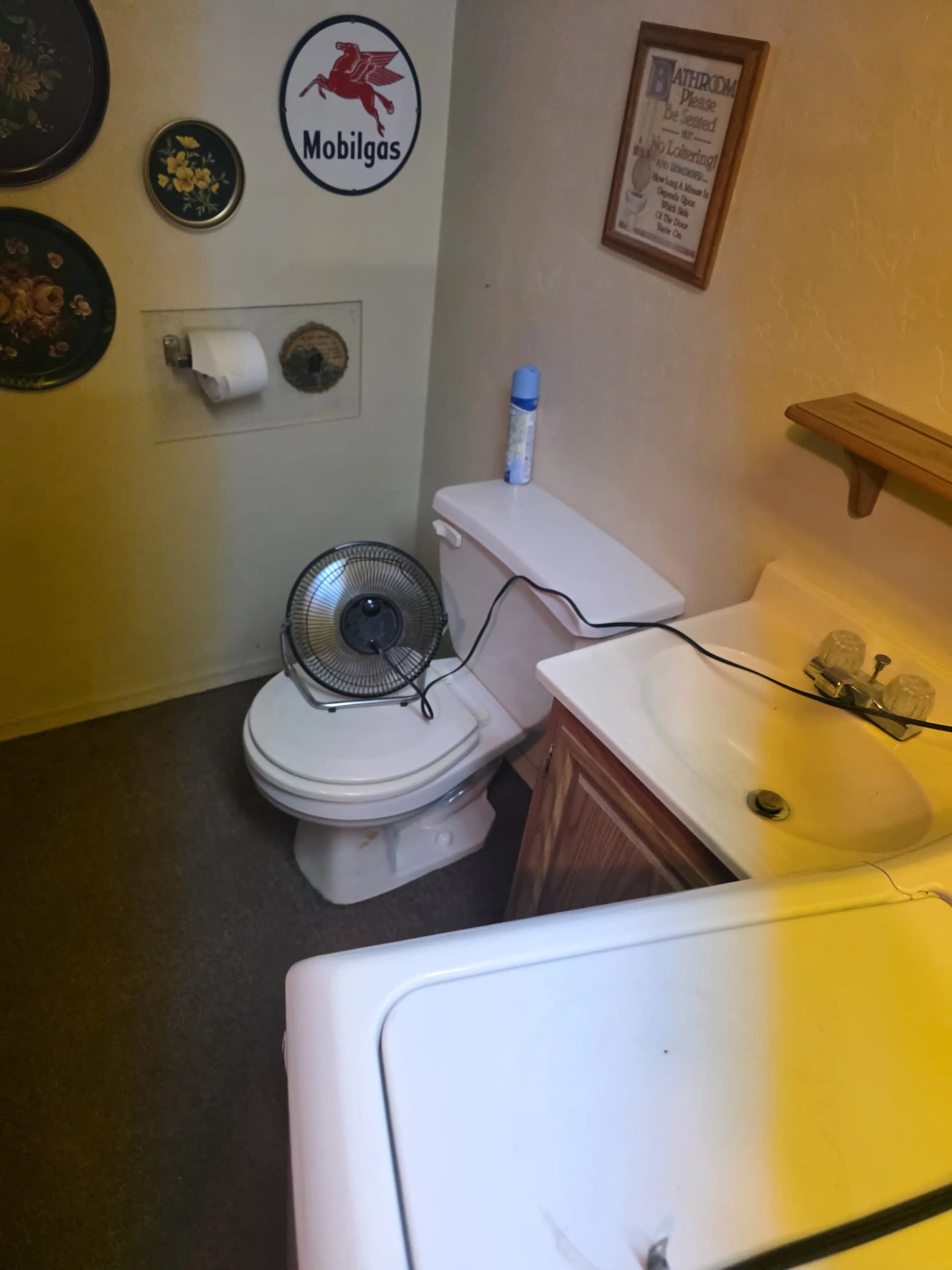
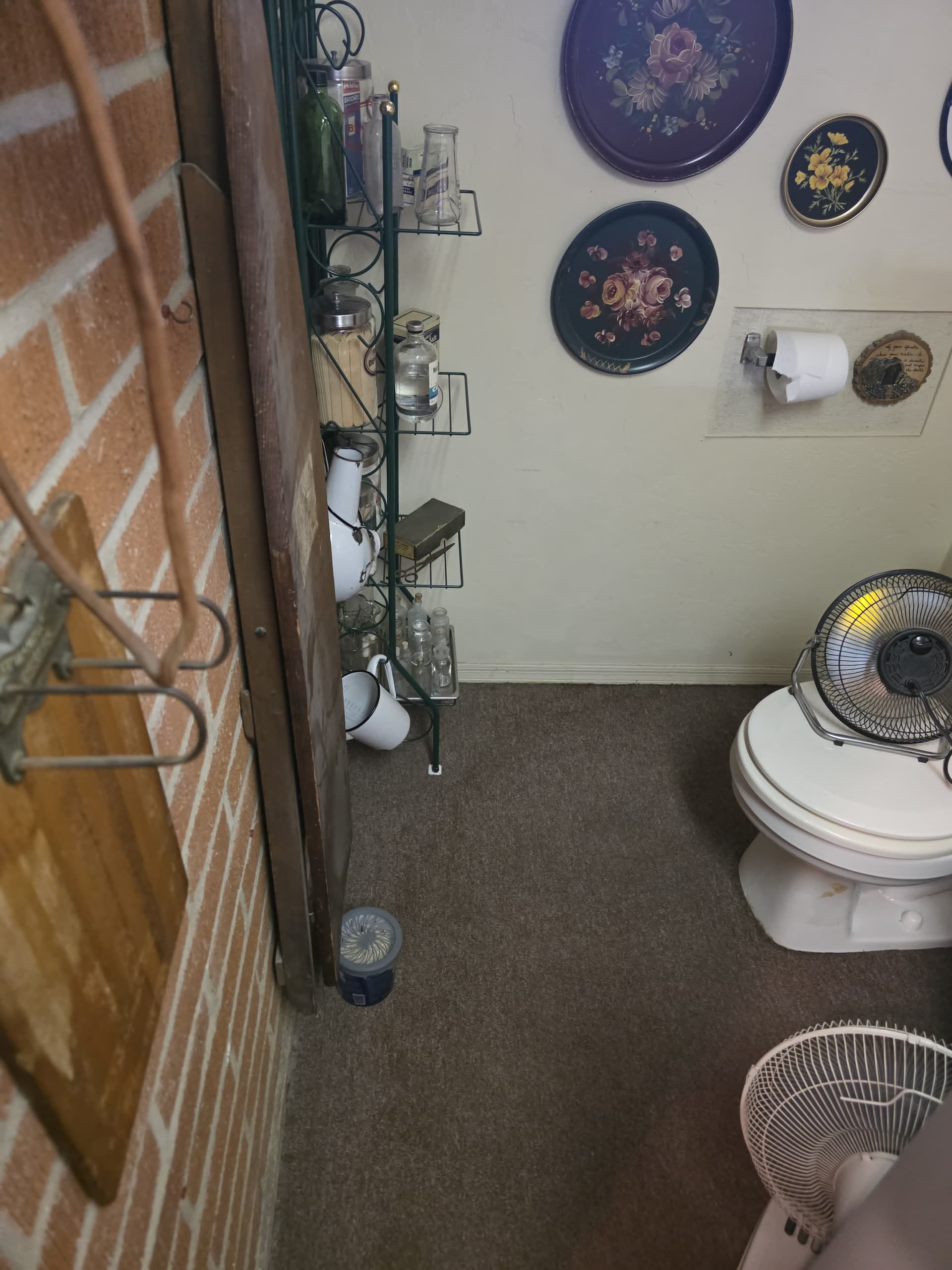
Water damage isn't always straightforward. Some situations allow us to dry things in place - set the equipment, monitor the readings, and get the structure back to normal. But when contamination enters the picture, the approach has to change completely. You can't just throw fans at it and call it a day.
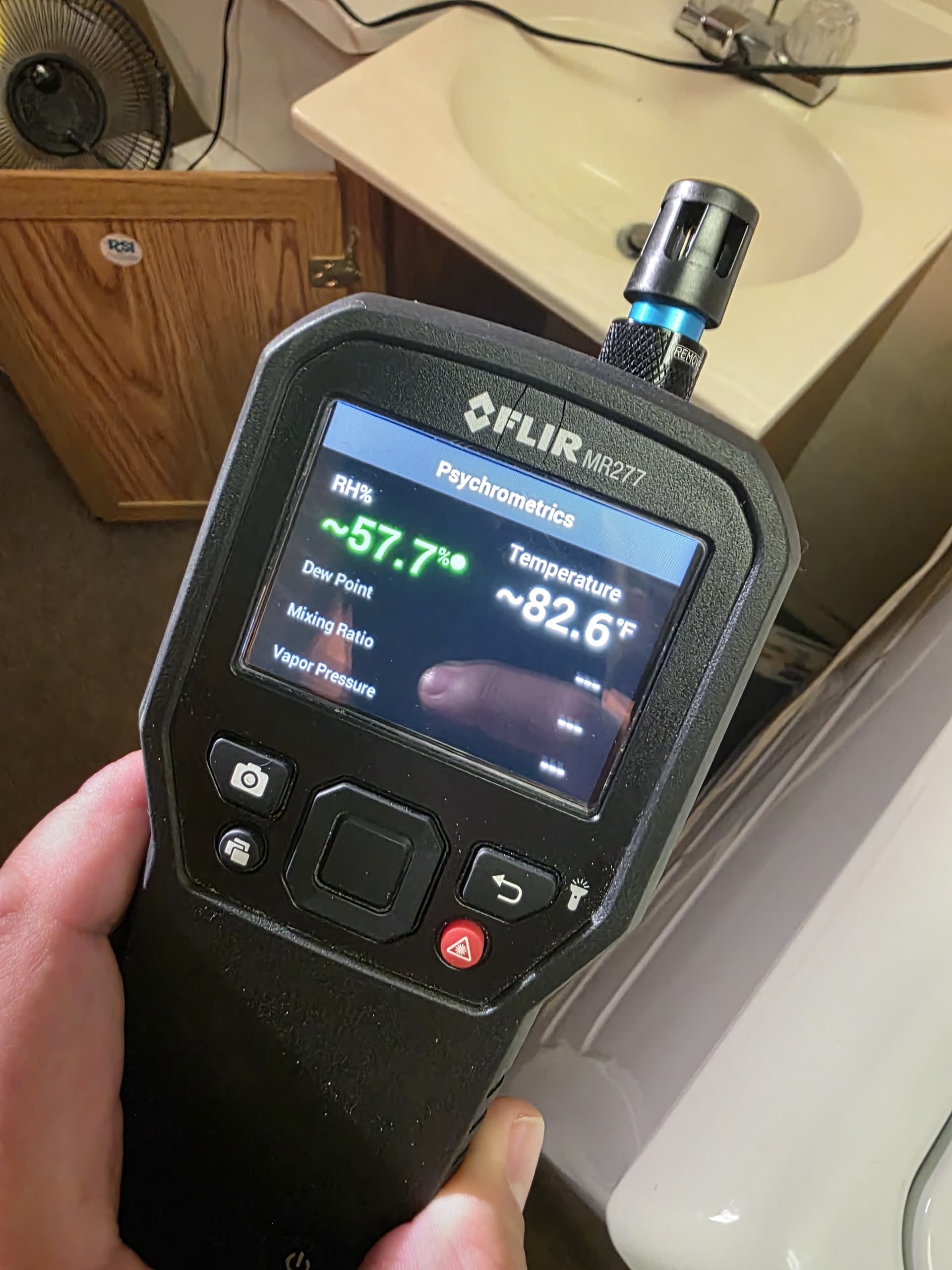
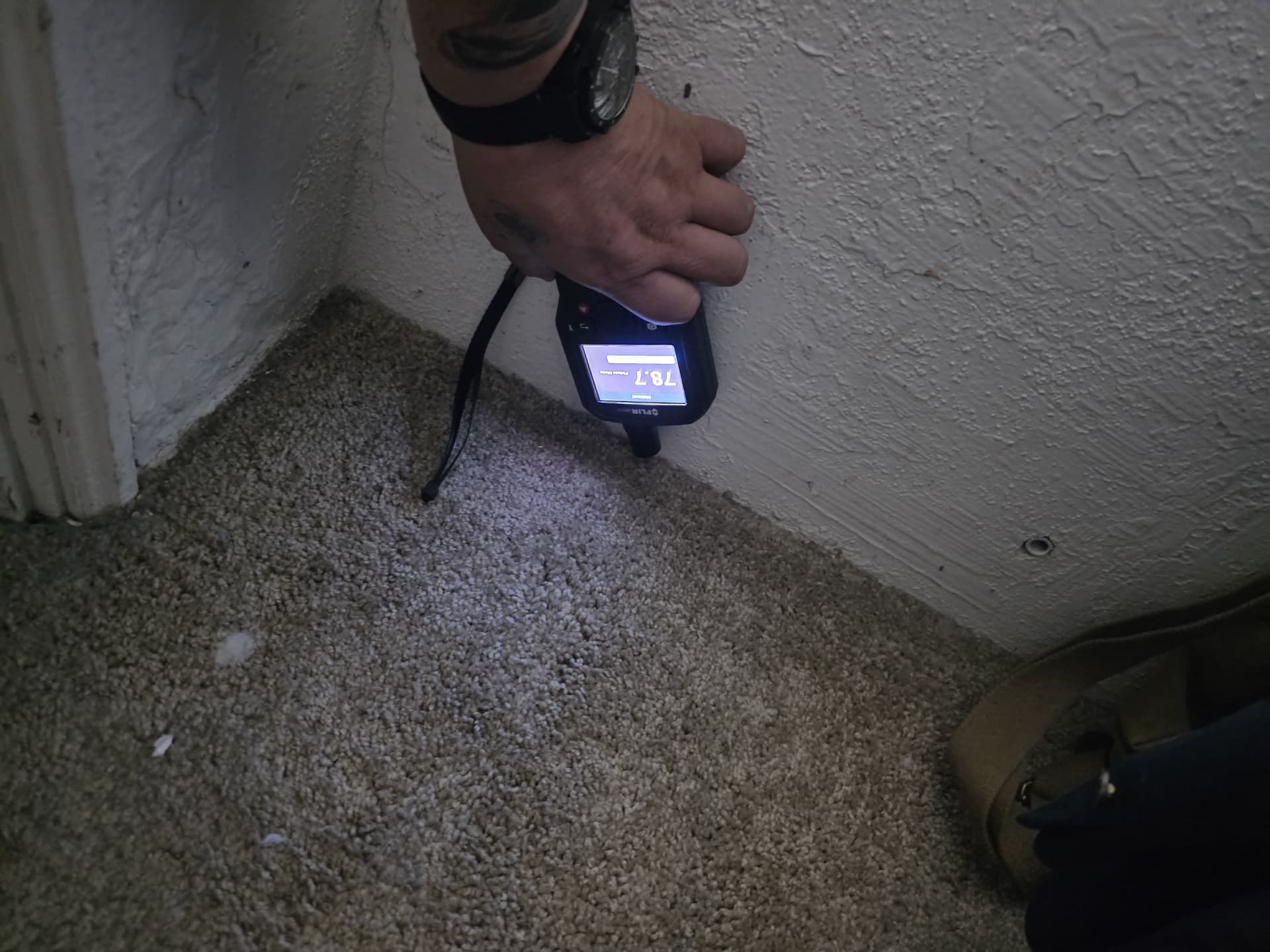
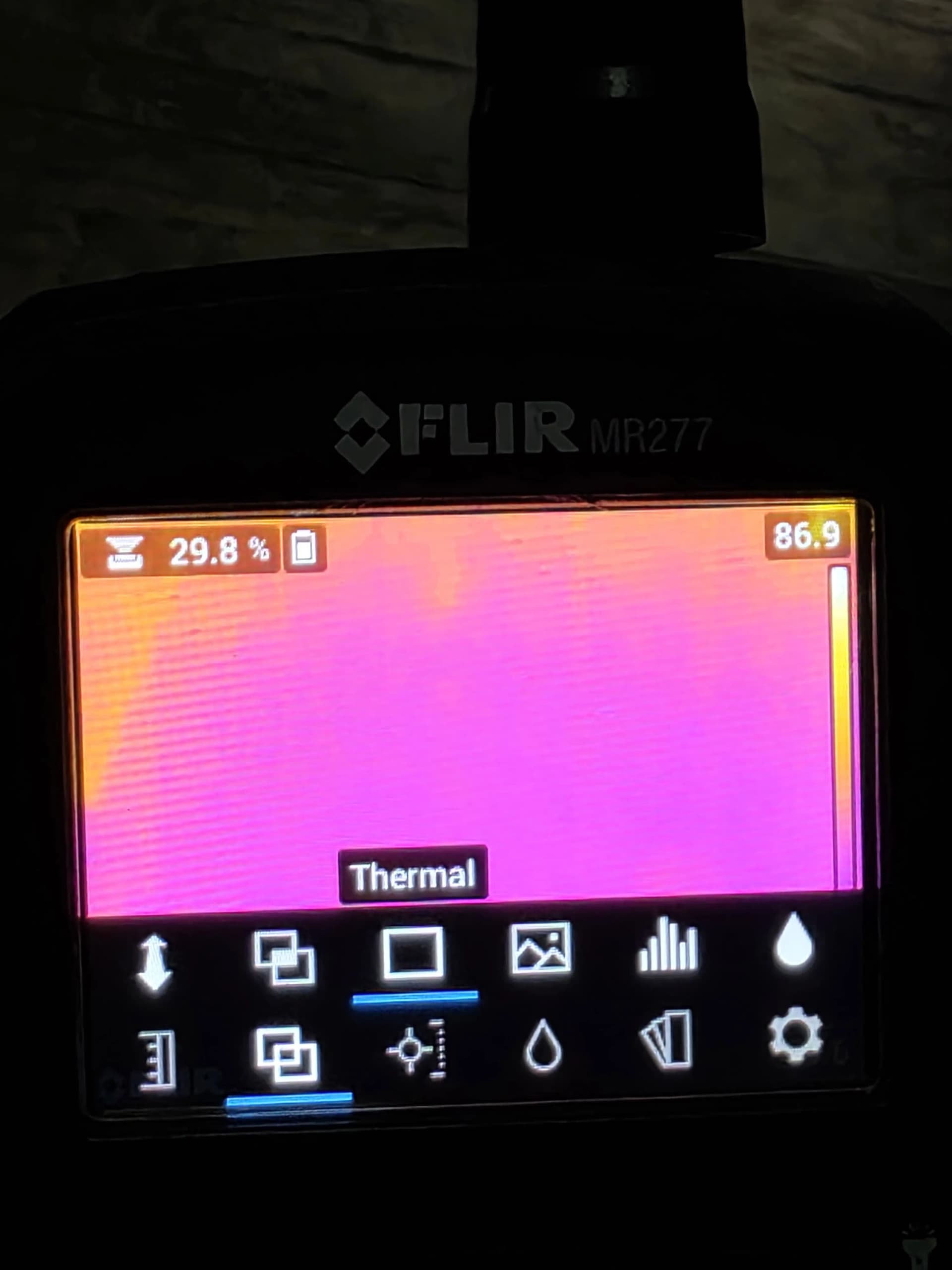
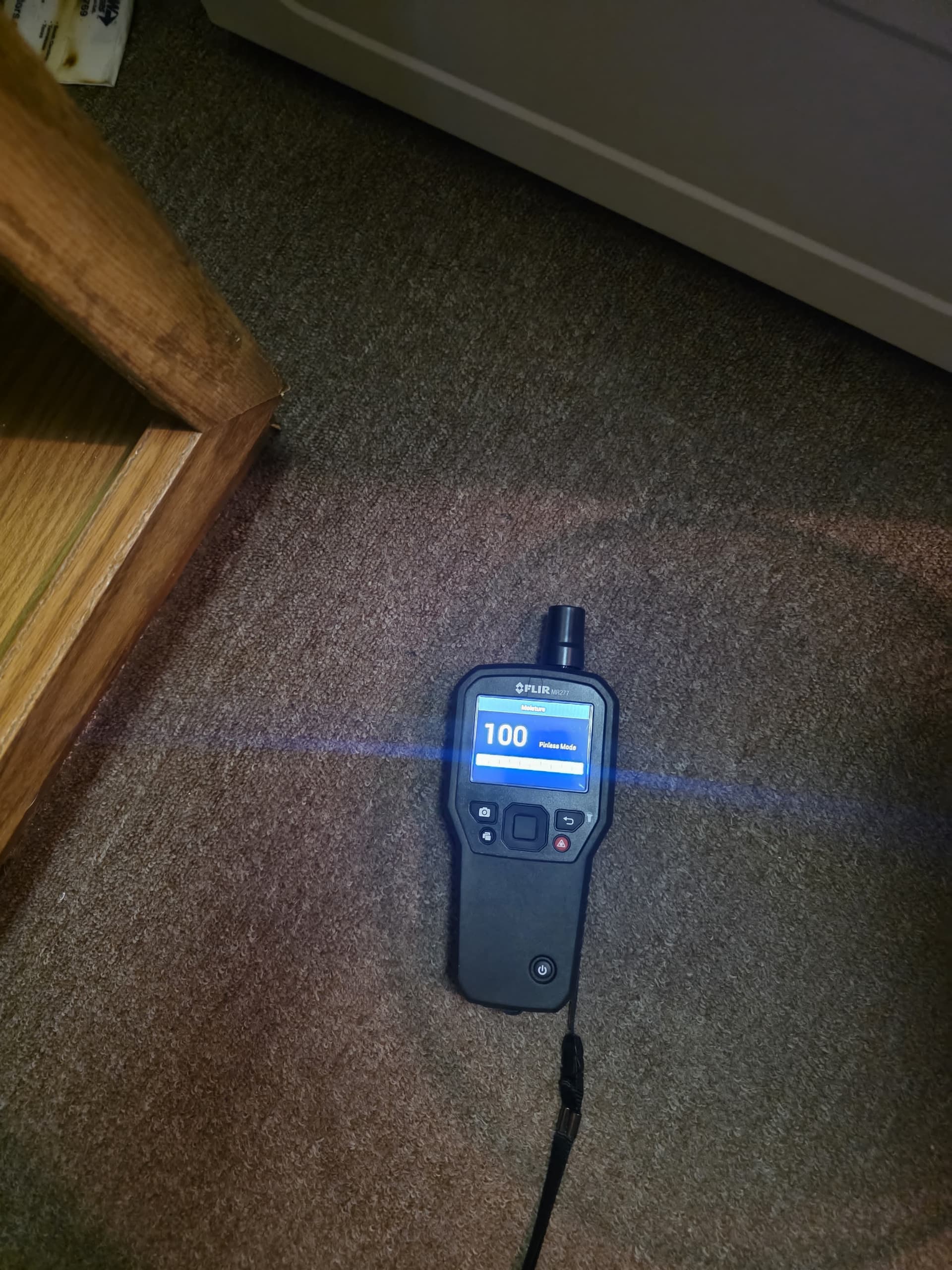
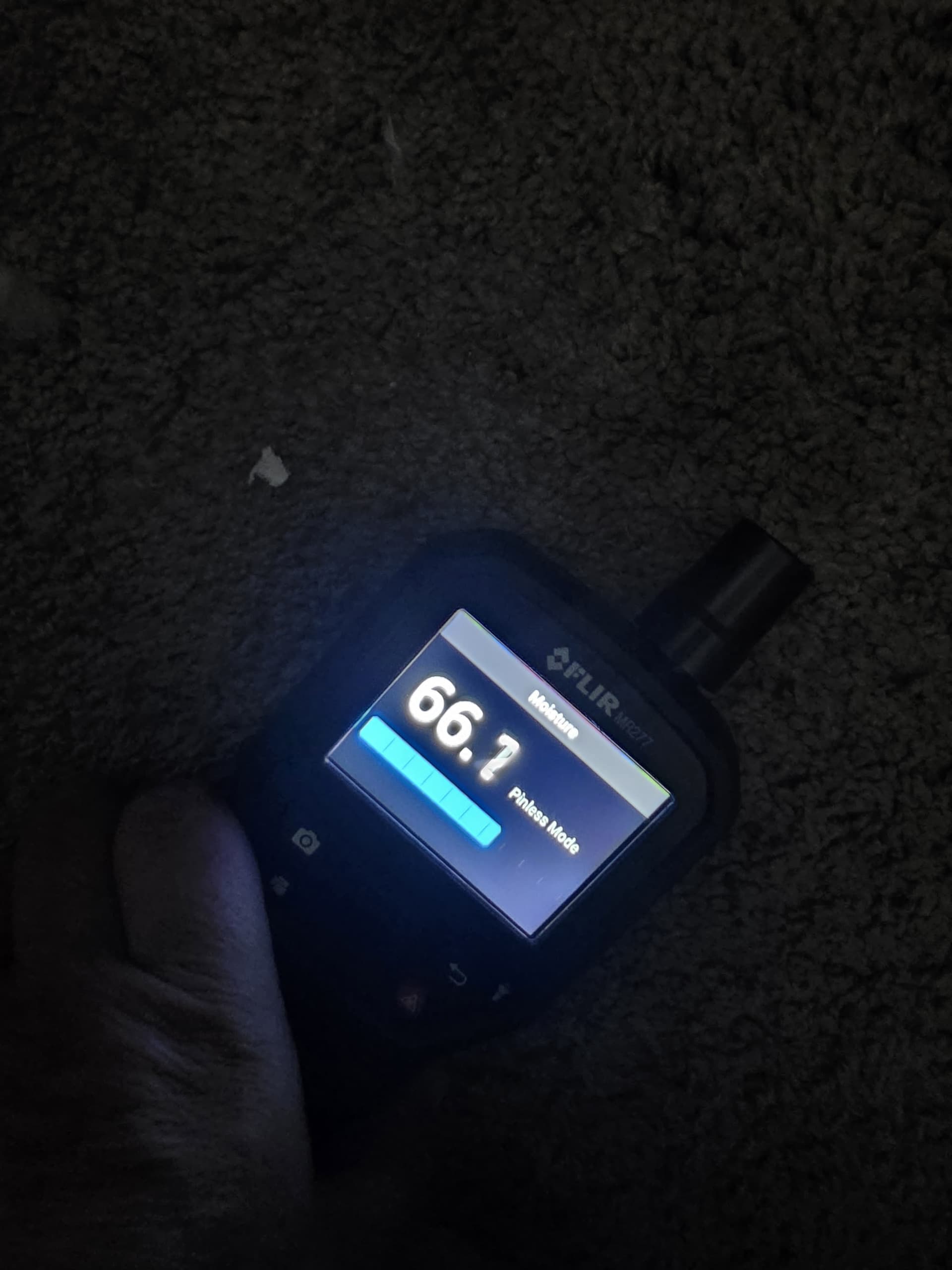
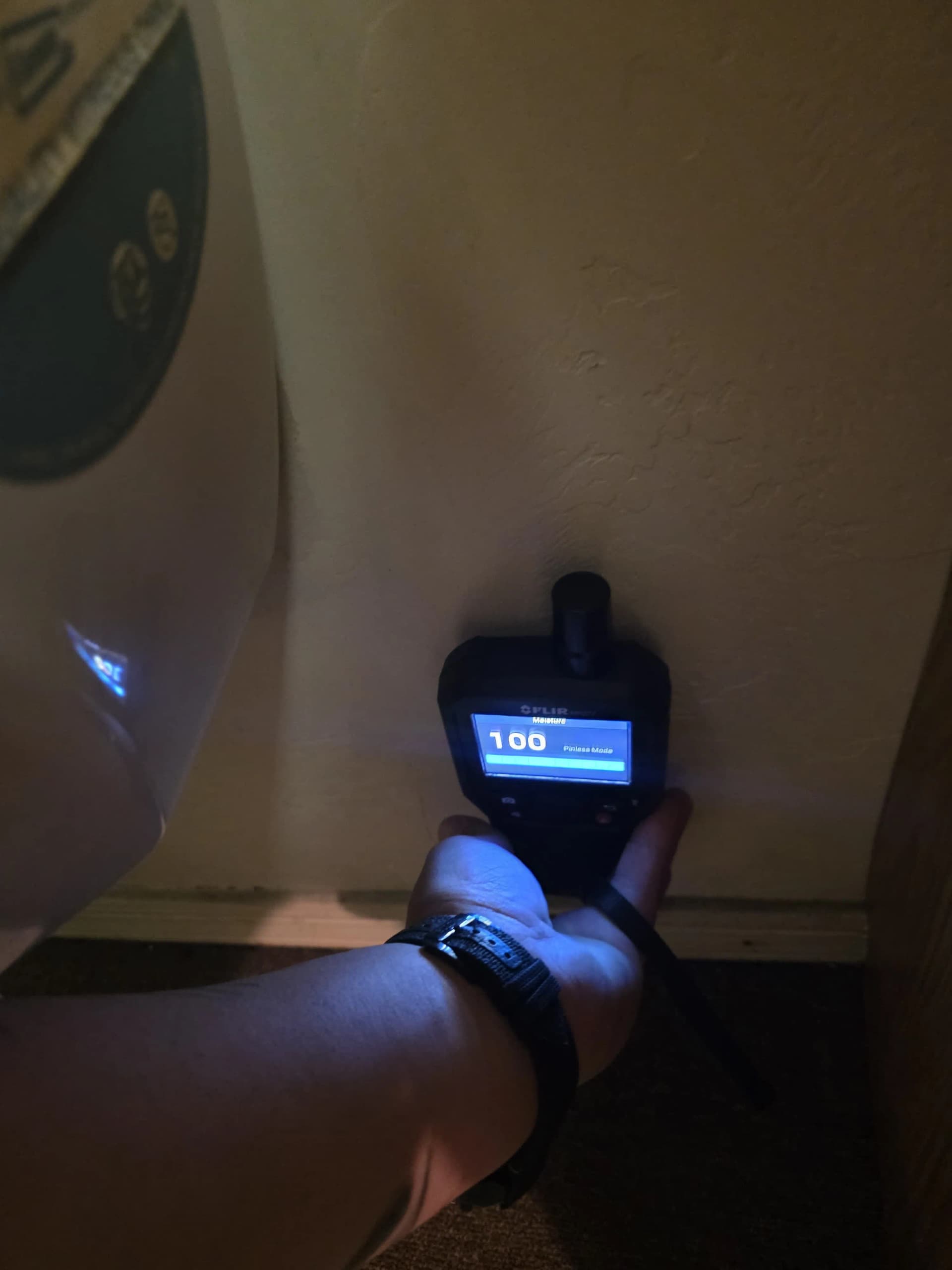
The first thing we do is inspect. We use professional-grade FLIR moisture meters and psychrometric tools to get real data - humidity levels, temperature, moisture content in floors and walls. Those readings tell us exactly what we're dealing with before we make a single decision. Guessing isn't part of our process.
When moisture readings come back maxed out - and some of what we found here did just that - we know the material has to go. Contaminated carpet, saturated drywall, anything that can't be properly sanitized gets removed. That's not cutting corners on the homeowner. That's protecting them from a mold problem that would cost far more down the road.
After containment and removal, we set the right drying equipment for what's left. The goal is to get the structure dried completely and documented - not just dried enough. Every step in a water restoration job builds on the last, and skipping any of it is how small water damage turns into a serious mold situation.
This is the kind of work that doesn't always look dramatic in photos, but it matters more than most things we do. Getting it right early is what keeps a home safe long after we leave.