Bathroom Leak Turned Into Full Water Restoration Done Right
A small leak has a way of becoming a much bigger problem - fast. What starts behind a wall or under a tub surround can quietly saturate framing, subfloor, and ceiling material for weeks before anyone notices. By the time it's visible, the damage is already deep. That's exactly what we walked into on this one.
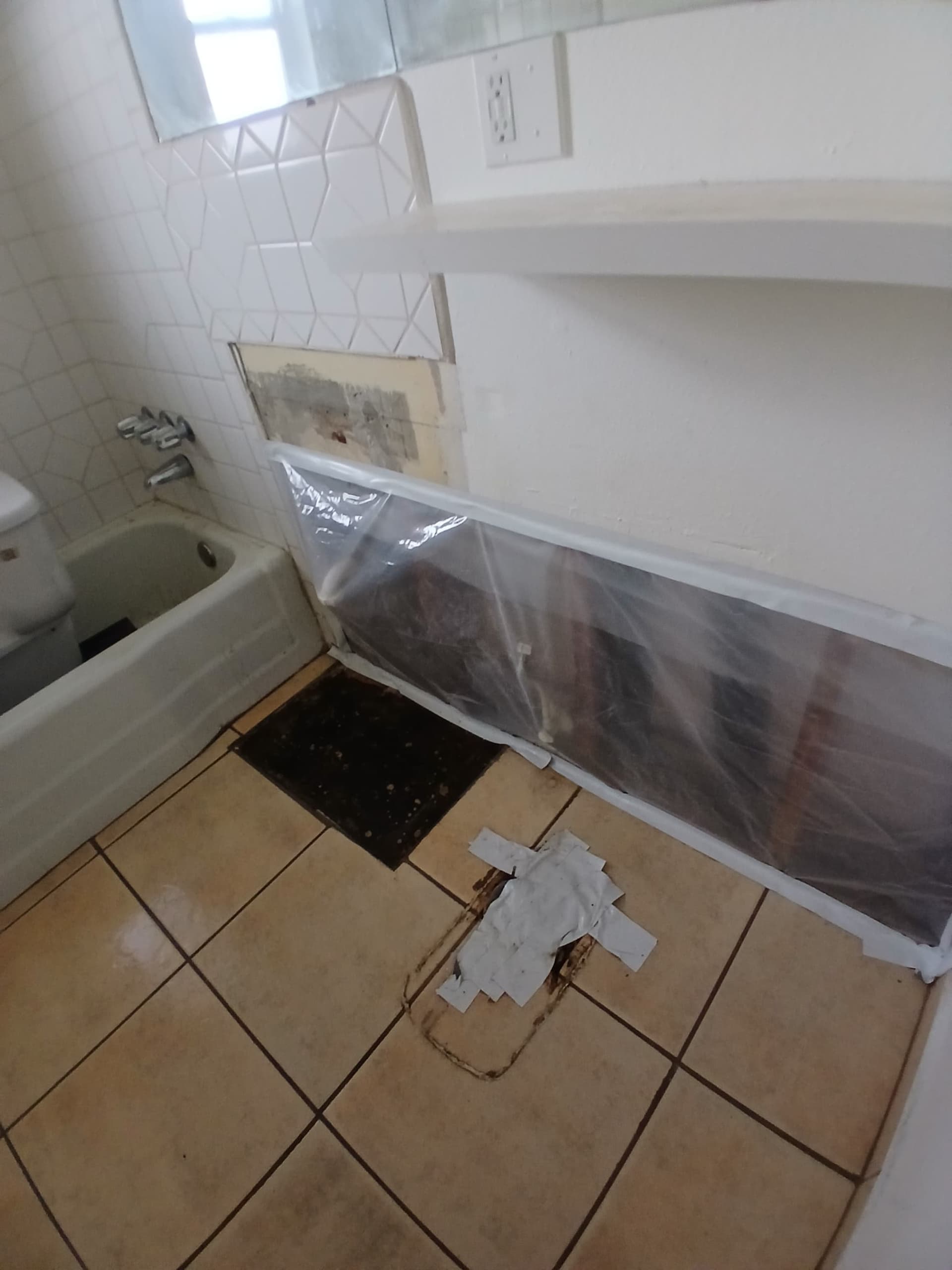
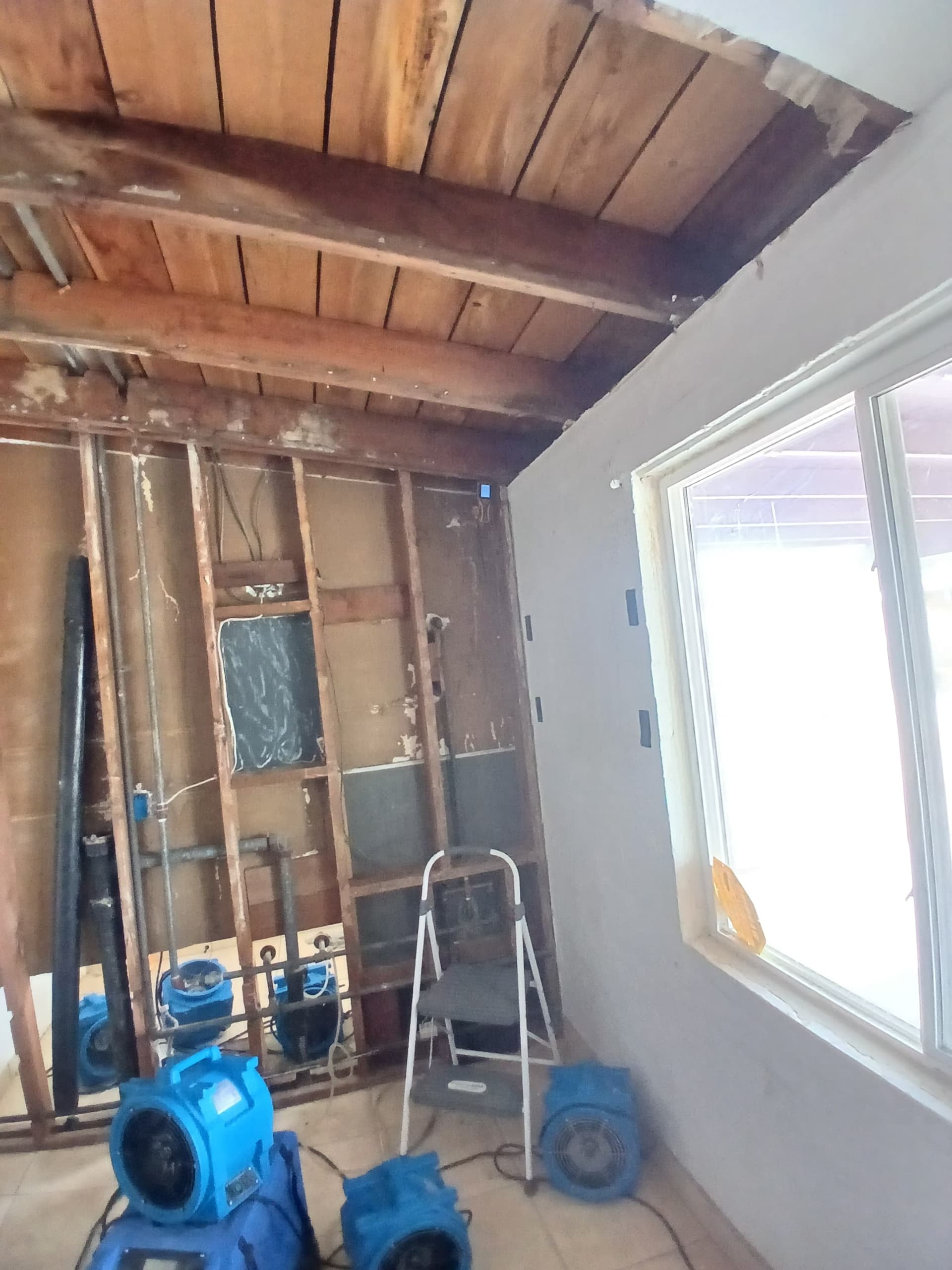
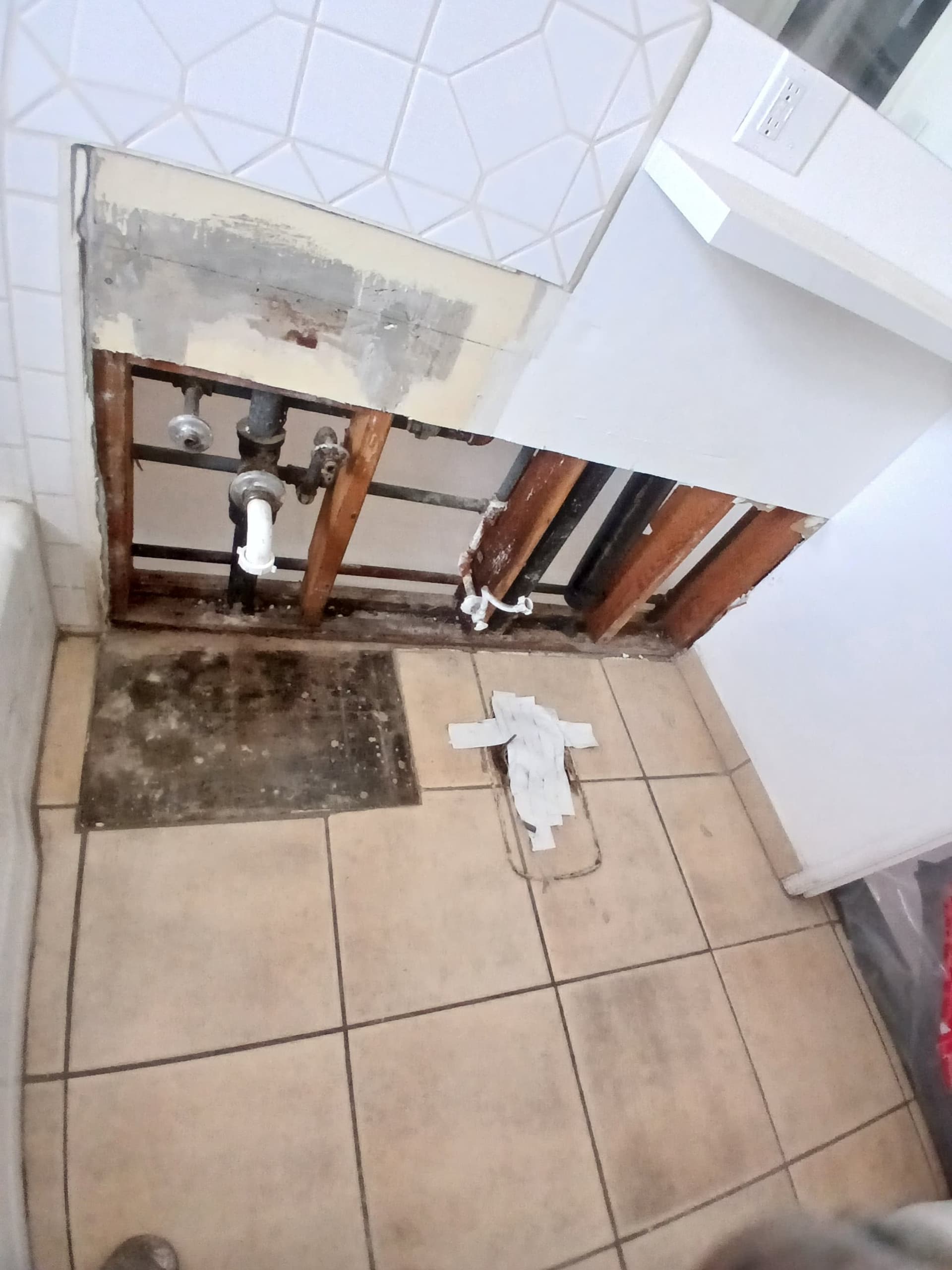
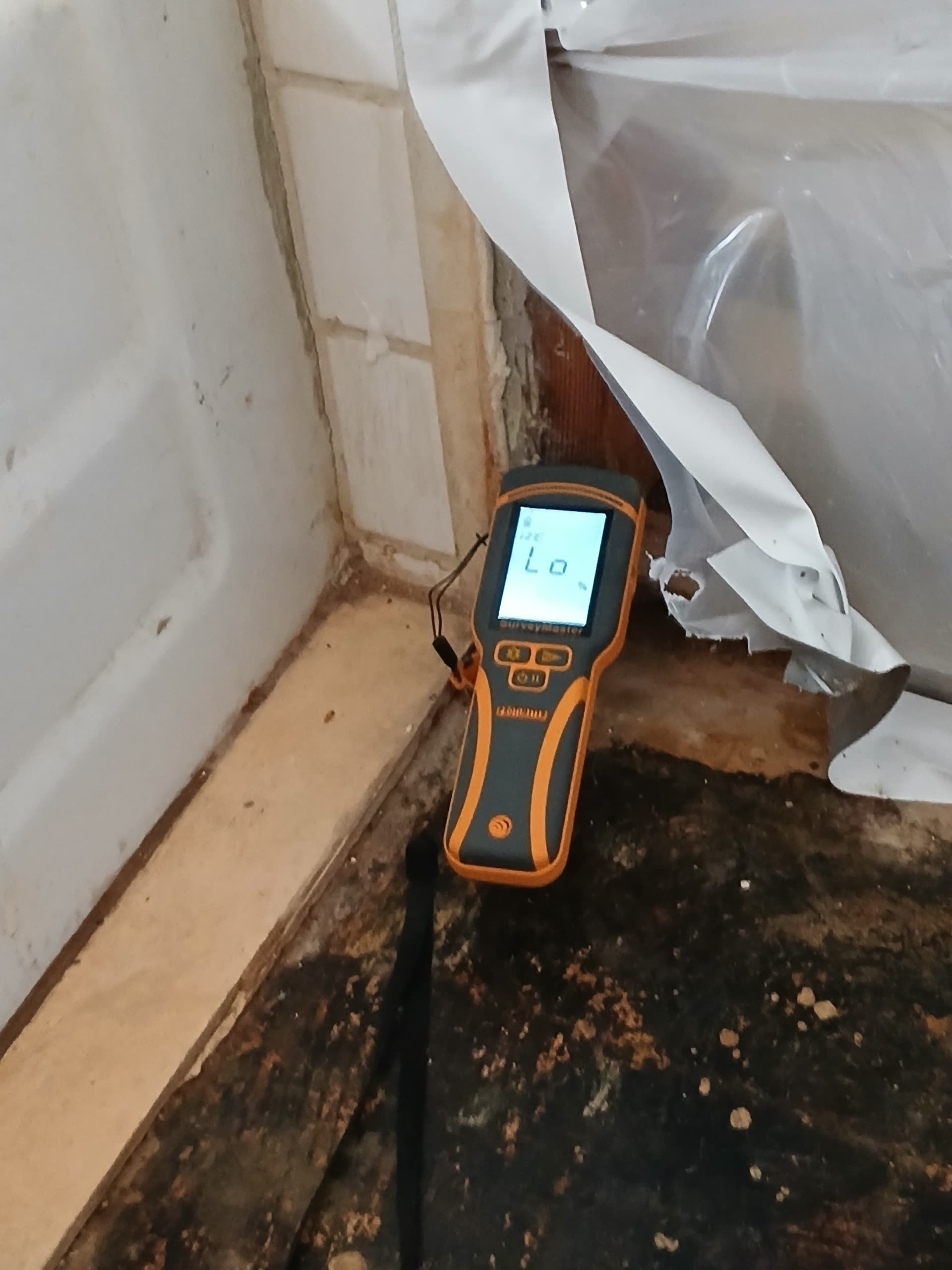
We opened up the affected areas and found exactly what we expected - soaked framing, darkened subfloor, and building materials that had been holding moisture for way too long. The bathroom wall had to come apart to expose what was going on behind the tile, and what we found underneath showed just how far water had traveled. This is why we don't guess. We pull back the layers until we know exactly what we're dealing with.
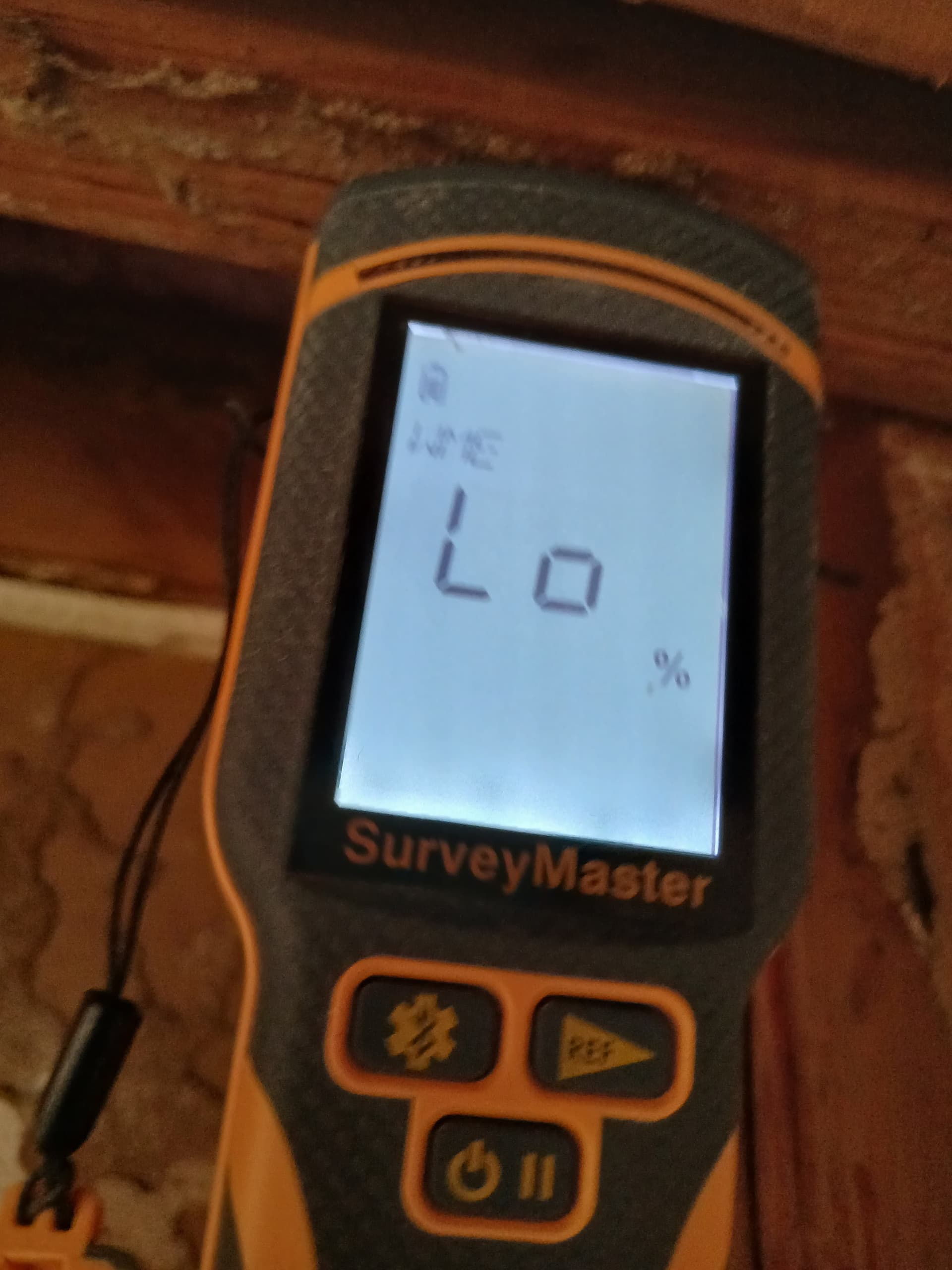
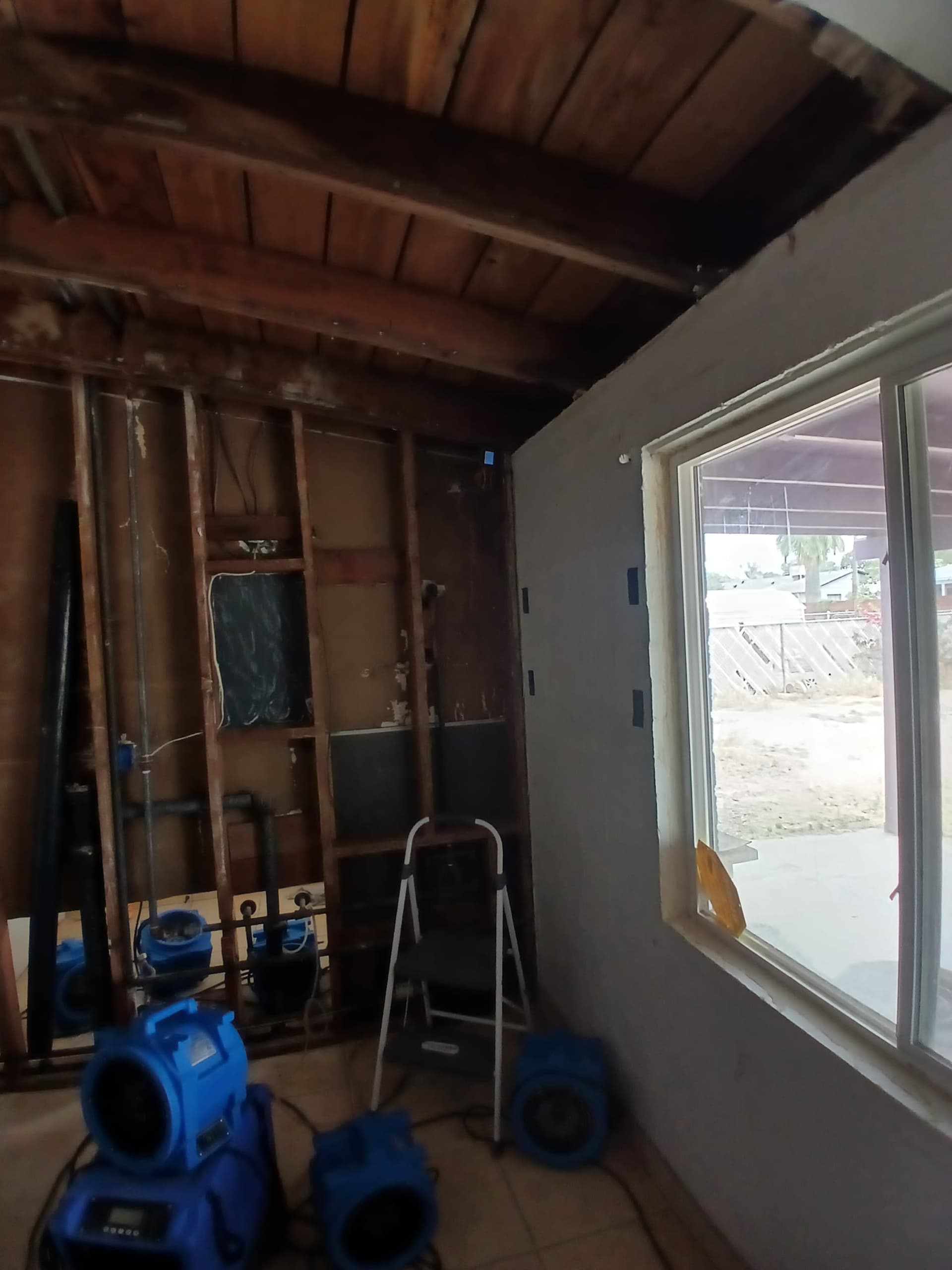
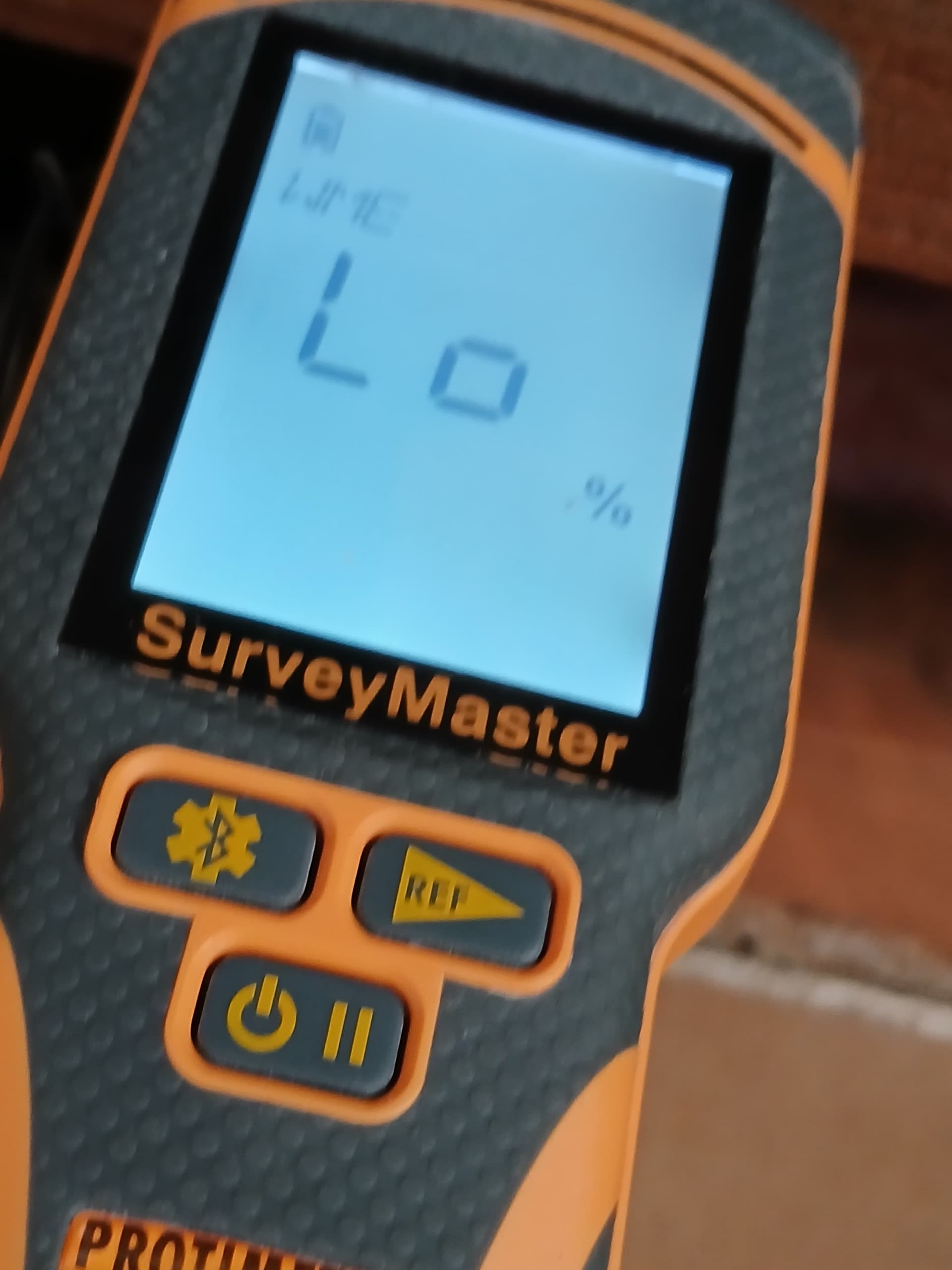
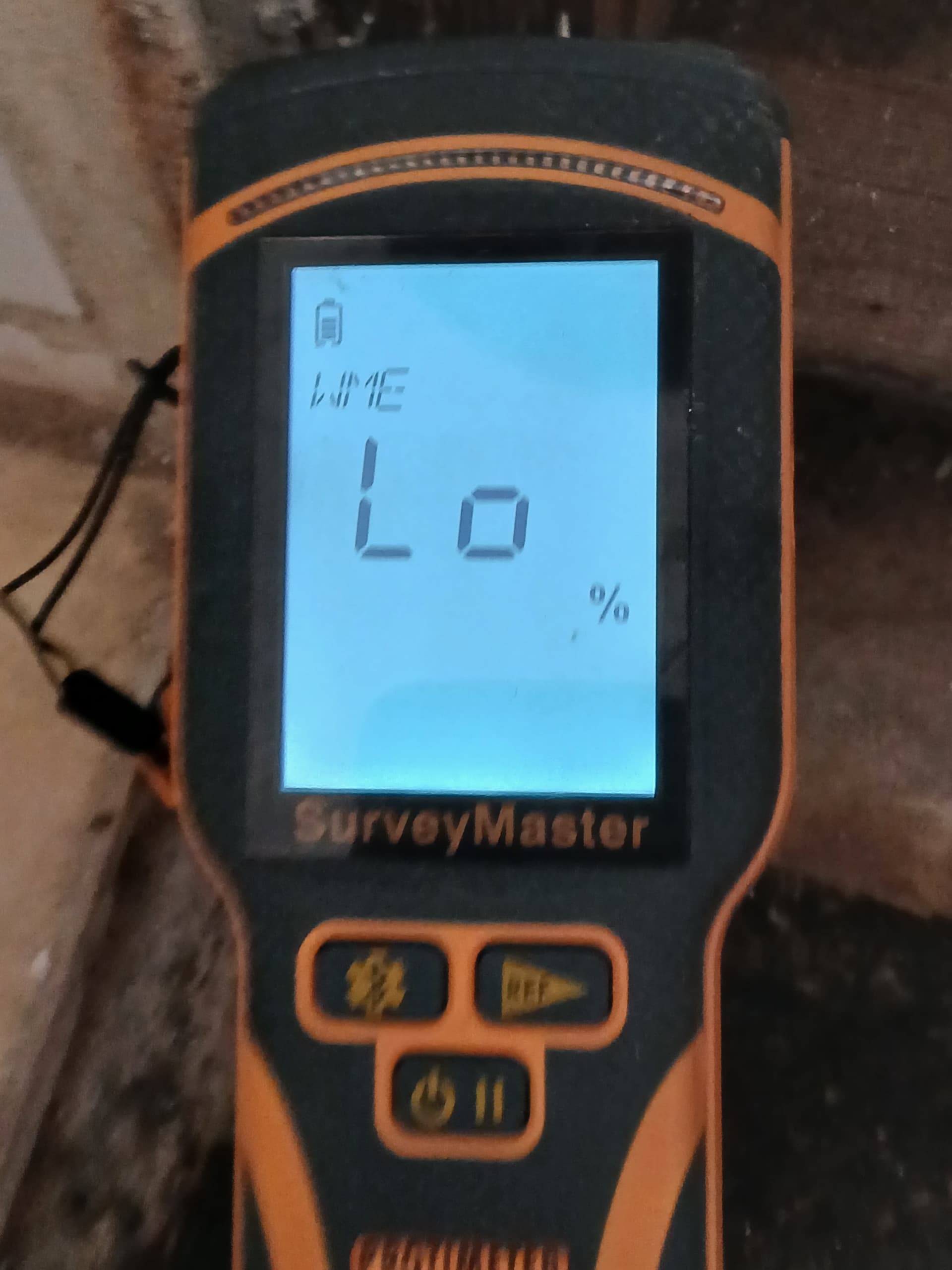
Once the damaged material was removed, we set up industrial air movers throughout the space and let the drying process run. We test moisture levels at every stage using professional meters - not by feel, not by sight. The SurveyMaster readings you see here confirmed the framing had reached a low moisture level before we closed anything up. That matters a lot. Closing walls over wet framing is how secondary damage and mold problems start, and that's not something we're willing to do.
We also handled the insurance side of this job. Getting an insurance claim approved correctly requires documentation, proper scope of work, and clear communication with the adjuster. We worked through that whole process and got it approved. The homeowner didn't have to fight for it.
Water restoration isn't just about drying things out. It's about making sure every affected area is accounted for, every moisture reading comes back clean, and nothing gets left behind that could cause bigger issues down the road. That's the standard we hold ourselves to on every job.