Bathroom Flood Rescue - Water Damage Restoration and Full Shower Rebuild
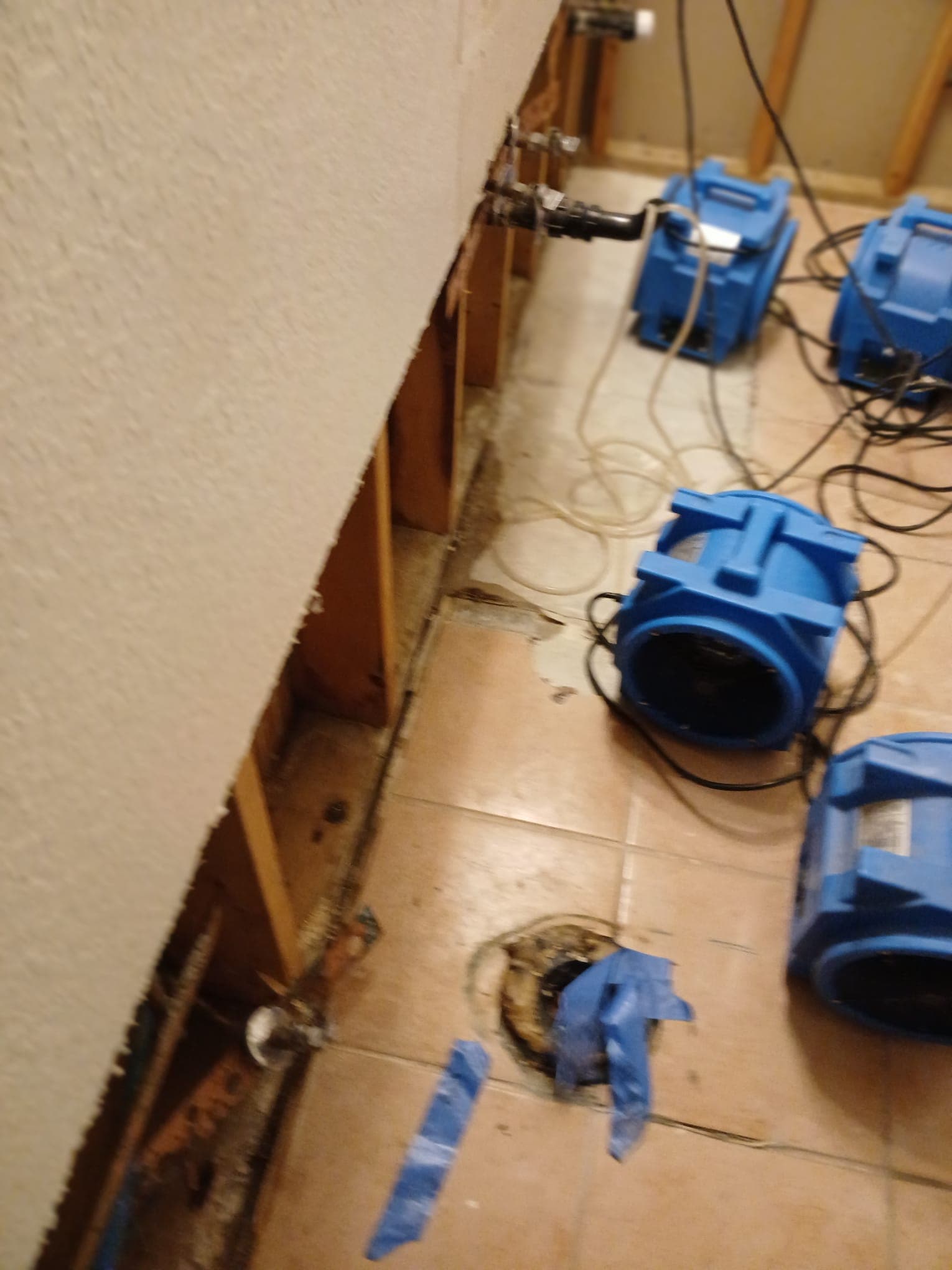
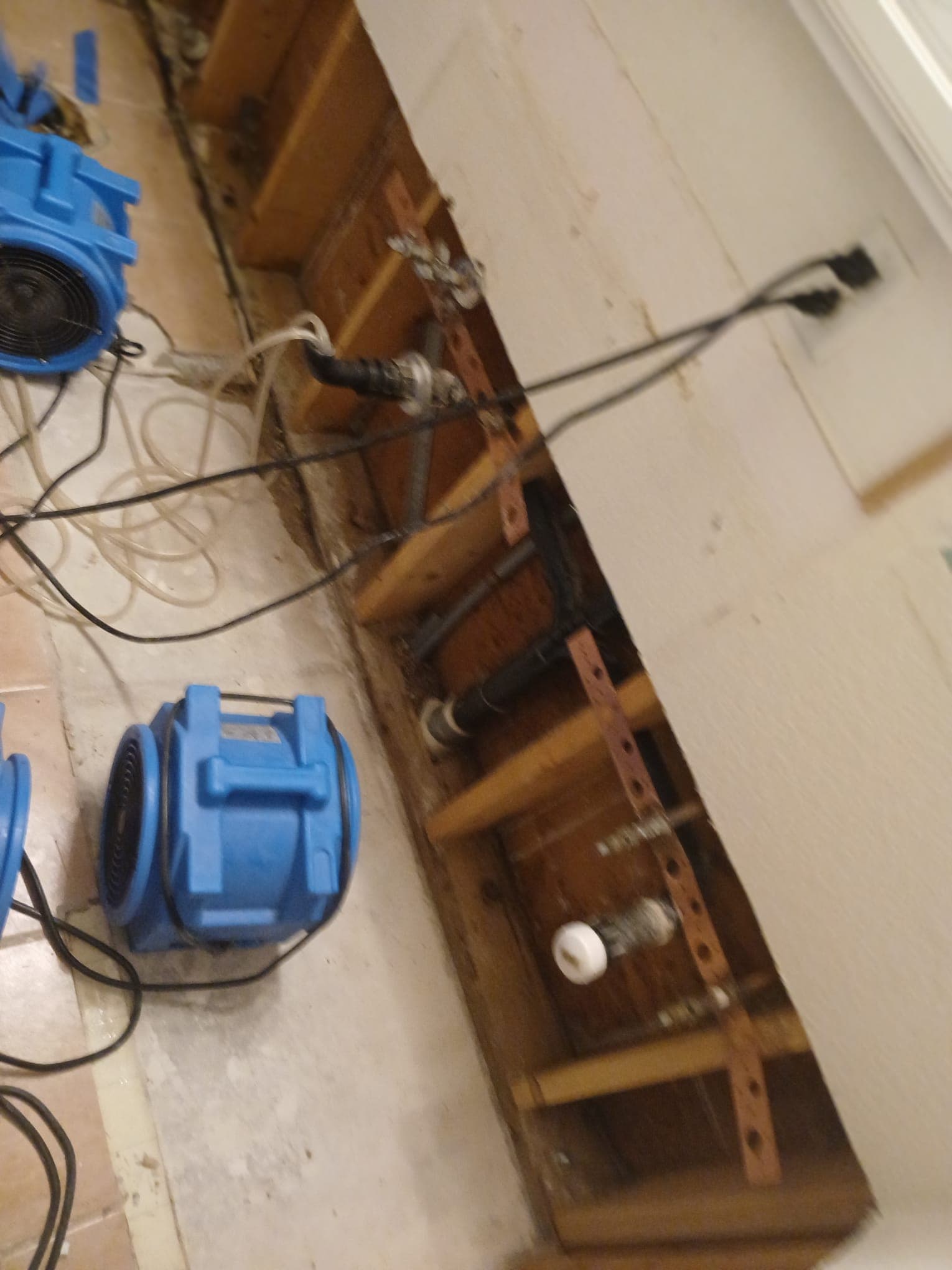
When a bathroom floods, most homeowners see wet floors and ruined drywall. What we see is everything hiding behind the walls - saturated framing, compromised subfloor, moisture that's worked its way into places you'd never think to check. That's exactly what we were dealing with here.
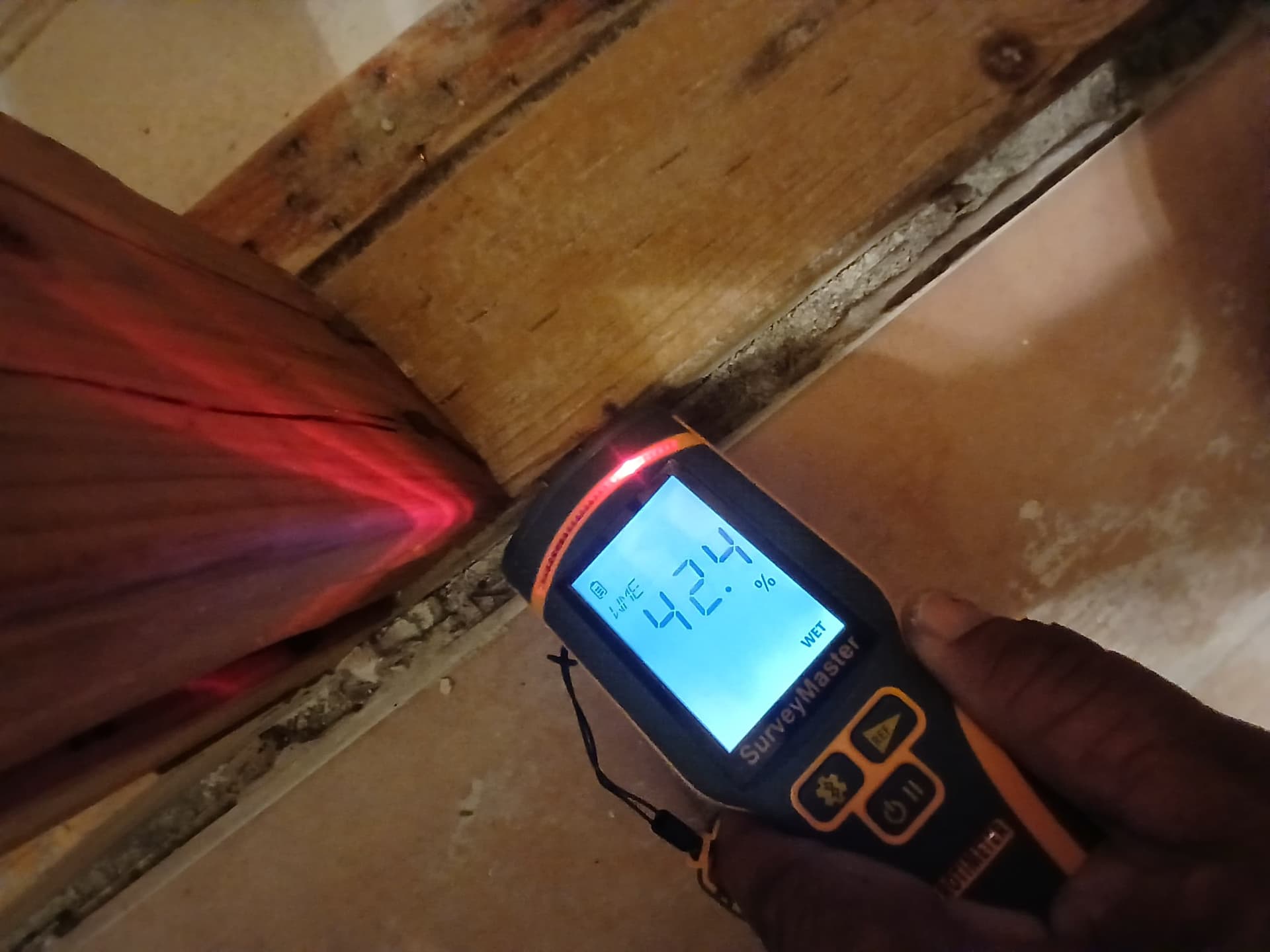
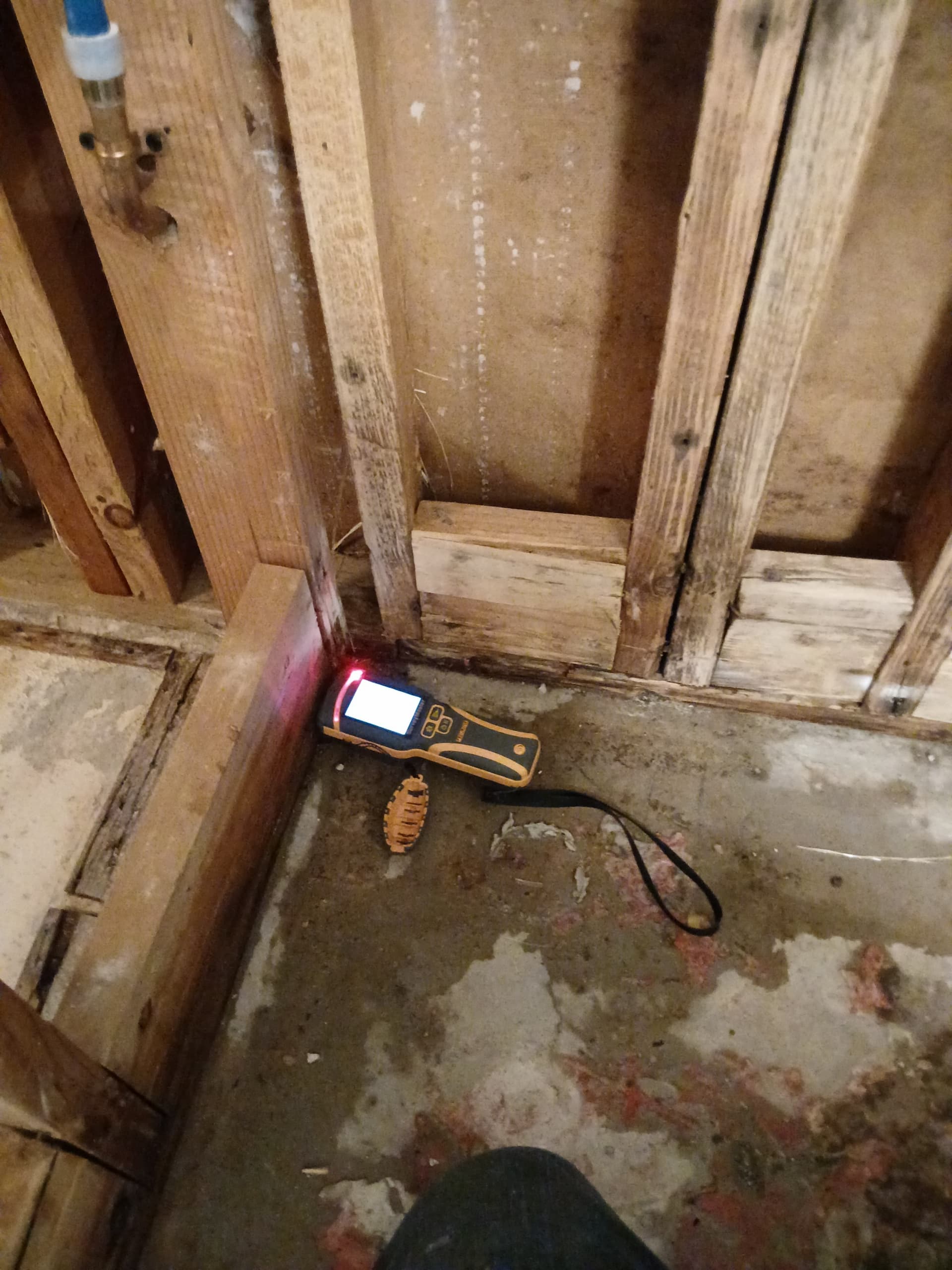
The first step isn't demo. It's data. We use moisture meters to get exact readings on the structural framing before anything else happens. Guessing isn't good enough when you're dealing with water damage - you need numbers. Hitting a 42% moisture reading in the wall framing tells you a lot about what went on and how long the water had been sitting there. Once we know what we're working with, we can build a real plan.
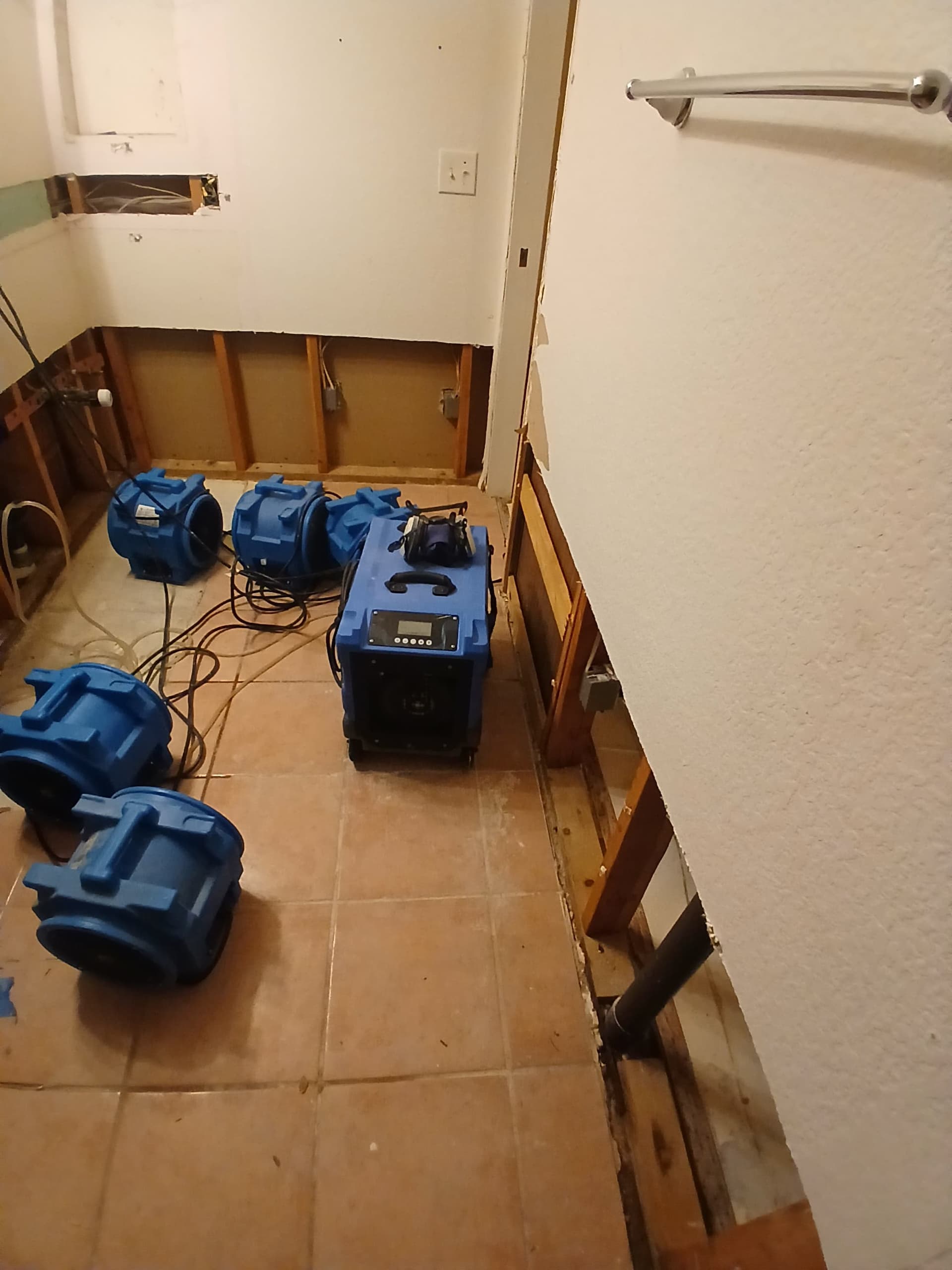
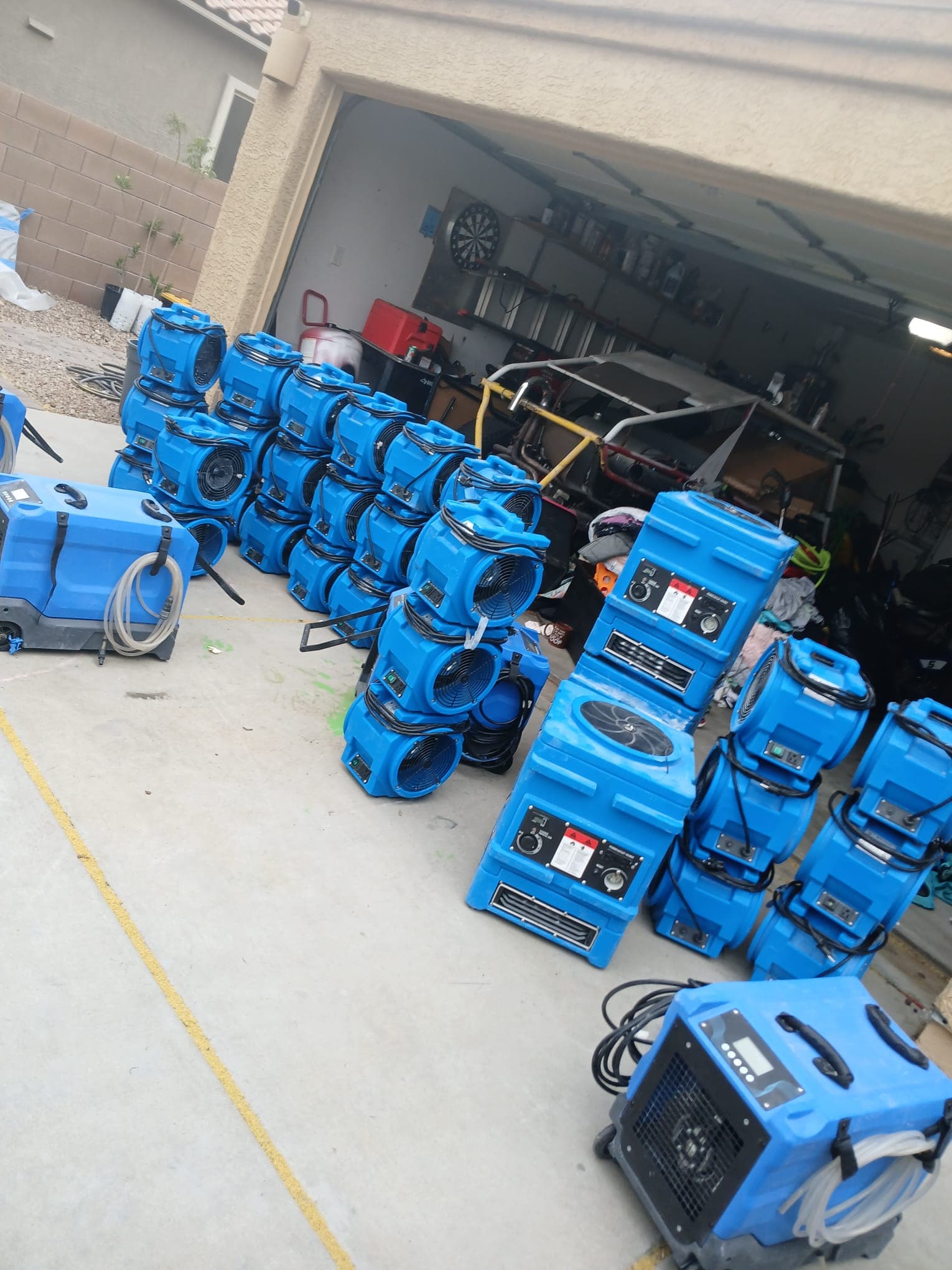
From there, we pulled the damaged materials, set up commercial air movers and industrial dehumidifiers throughout the space, and let the drying process do its job. Those blue machines aren't just fans - they're purpose-built for water restoration work, pulling moisture out of the structure so mold doesn't get a foothold. We don't cut corners on the drying phase. Skipping it is how you end up with a bigger problem six months down the road.
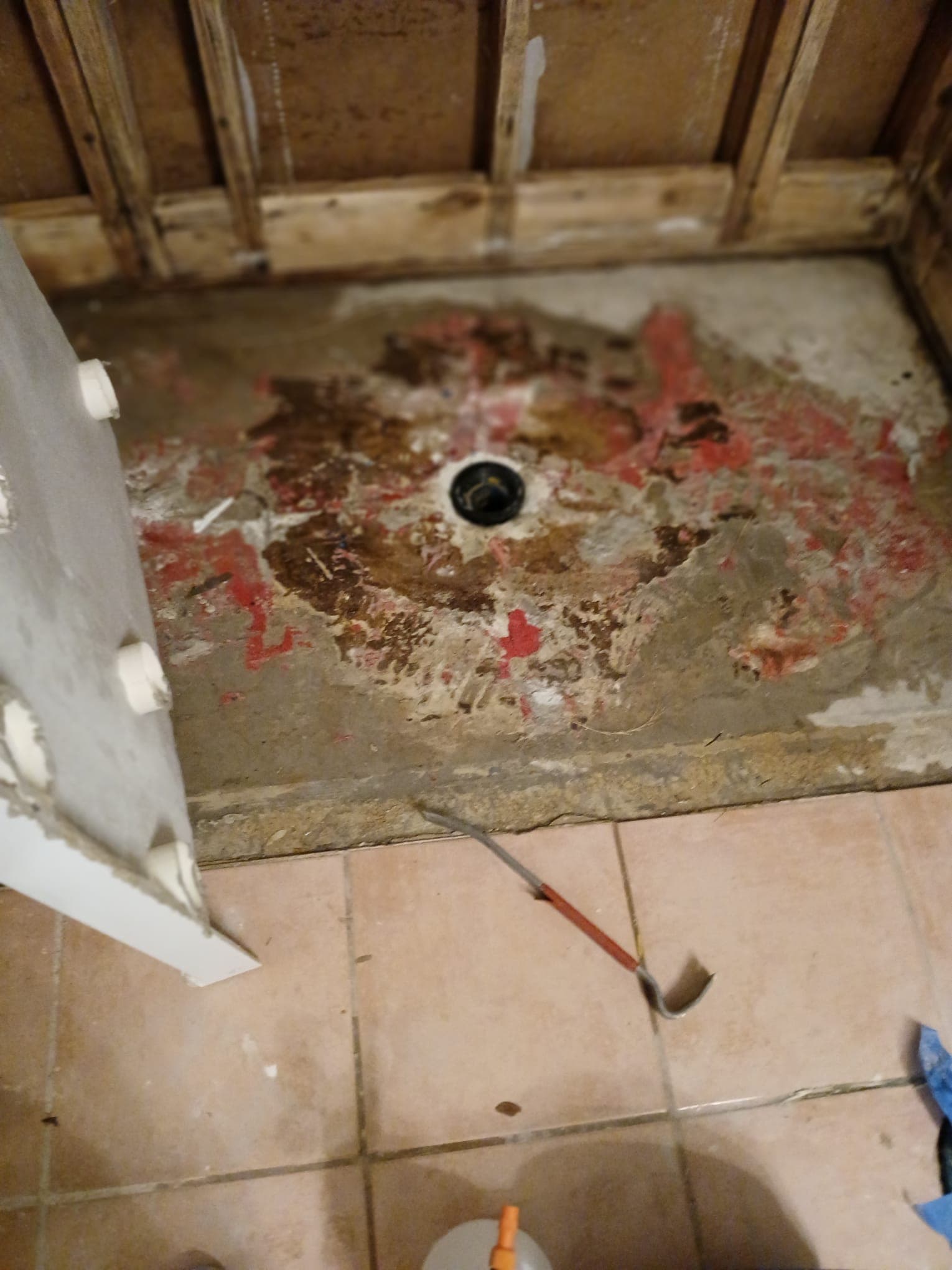
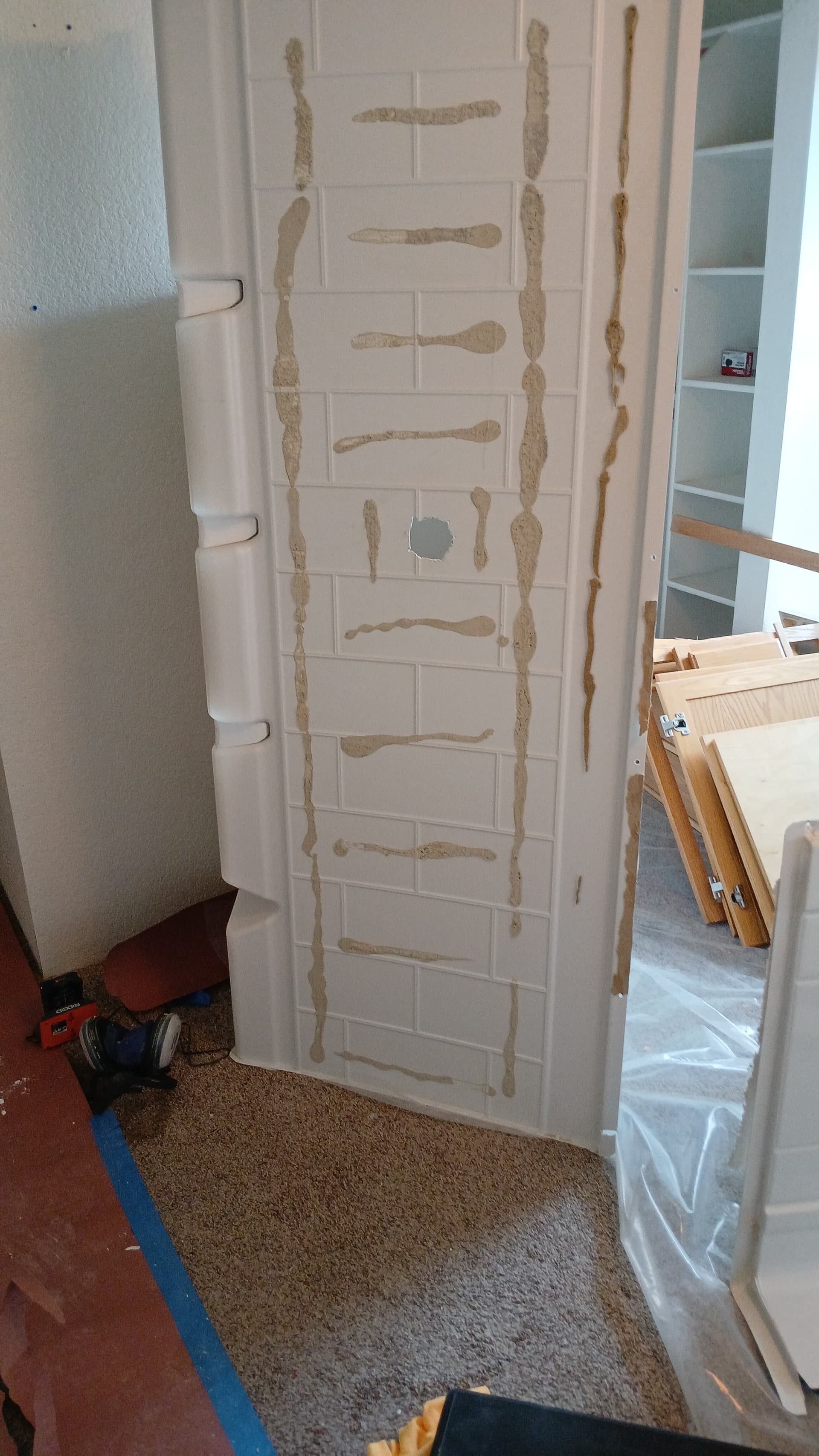
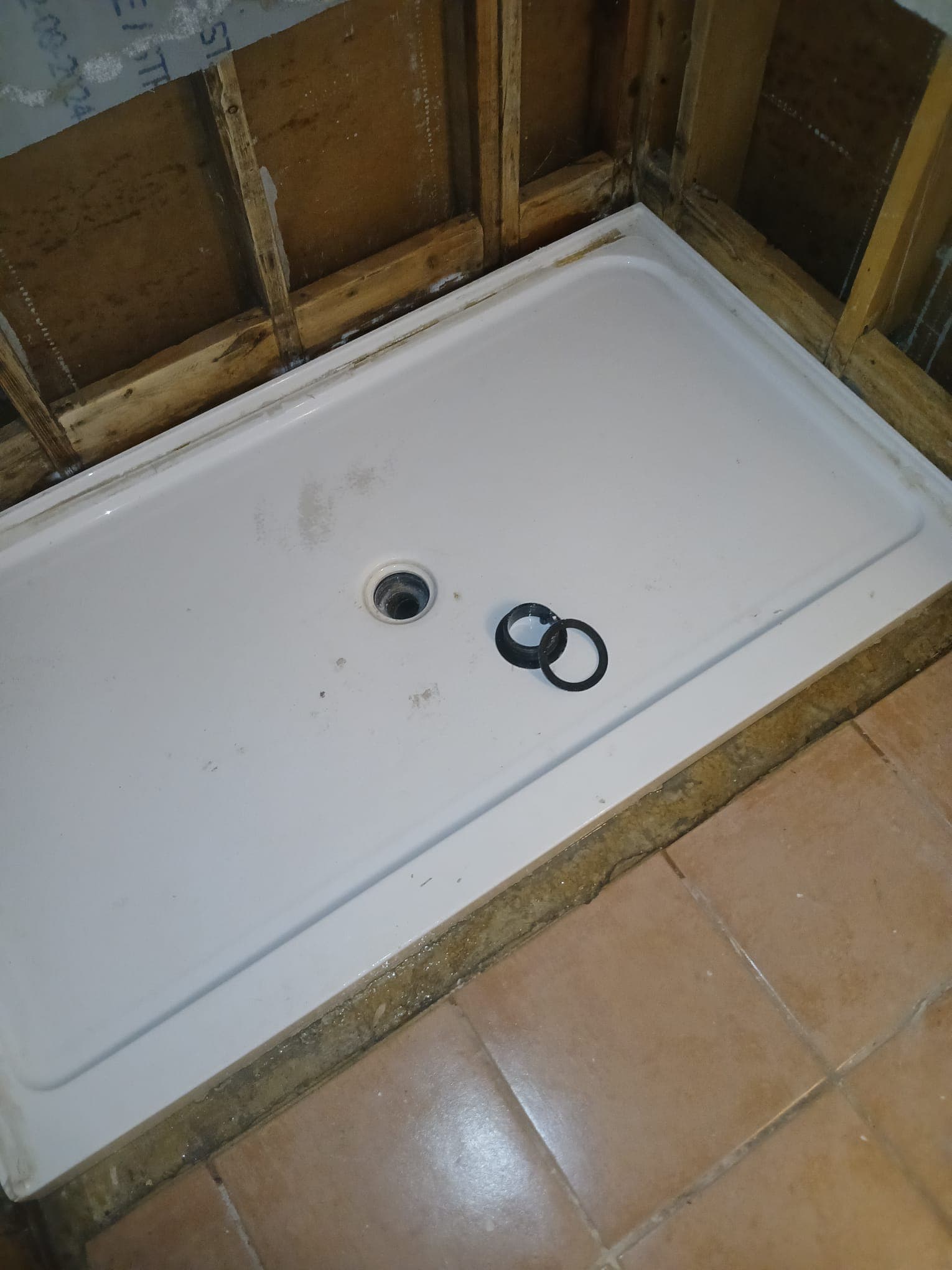
Once the structure was verified dry and clean, we moved into the rebuild. Out came the old shower pan - down to the bare concrete and exposed framing. In went a brand-new shower base, properly set and sealed. New wall surrounds went up with fresh adhesive applied in the right pattern to ensure a solid, lasting bond. Every step of the rebuild was done with the same attention we gave the restoration side of the job.
This is exactly why we handle both water restoration and bathroom remodeling under one roof. You don't need two different contractors pointing fingers at each other. We find the damage, dry it out, document it, and then put the space back together - better than it was before.