Bathroom Flood Assessment - What Happens Before Demo Even Starts
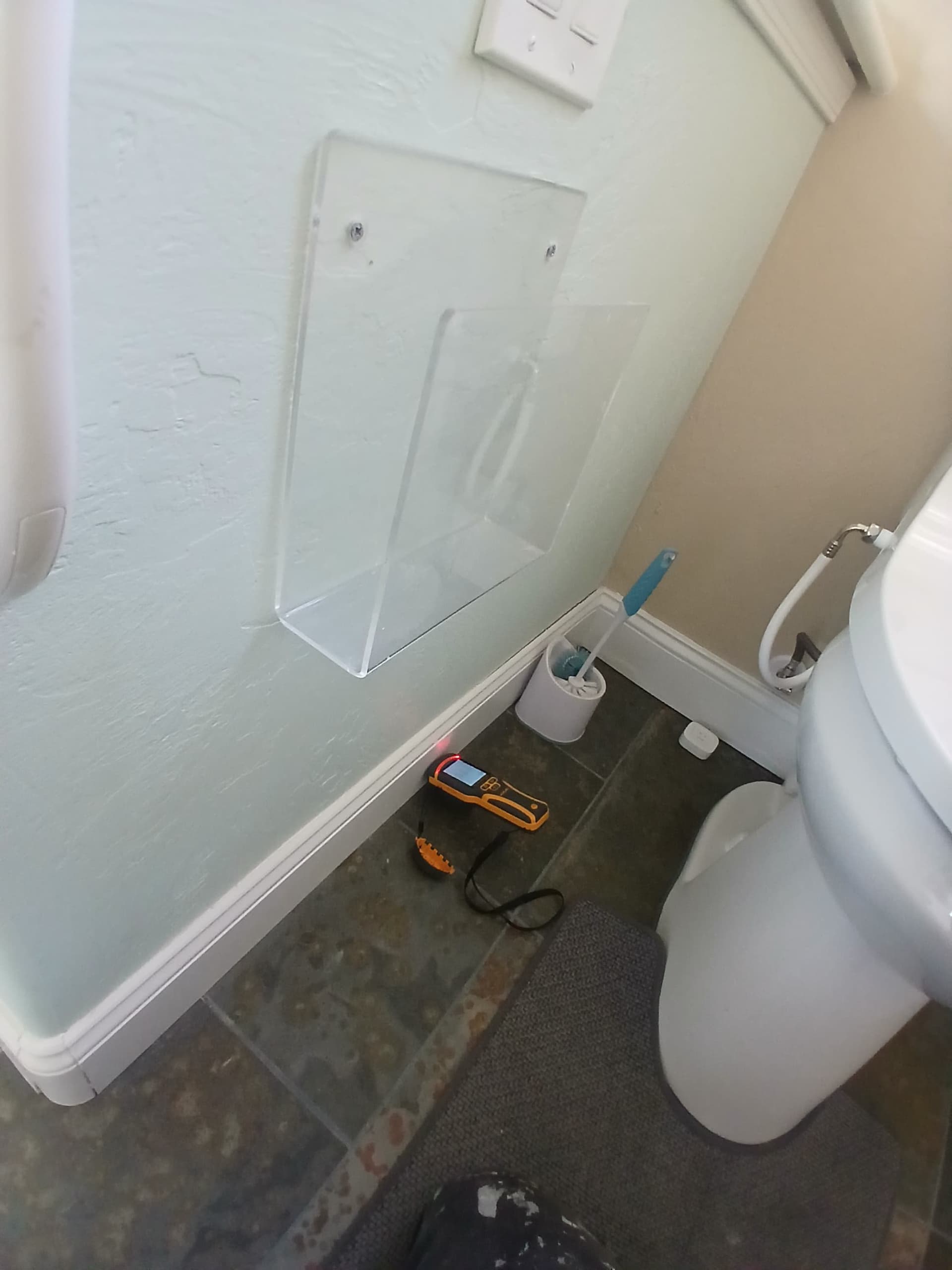
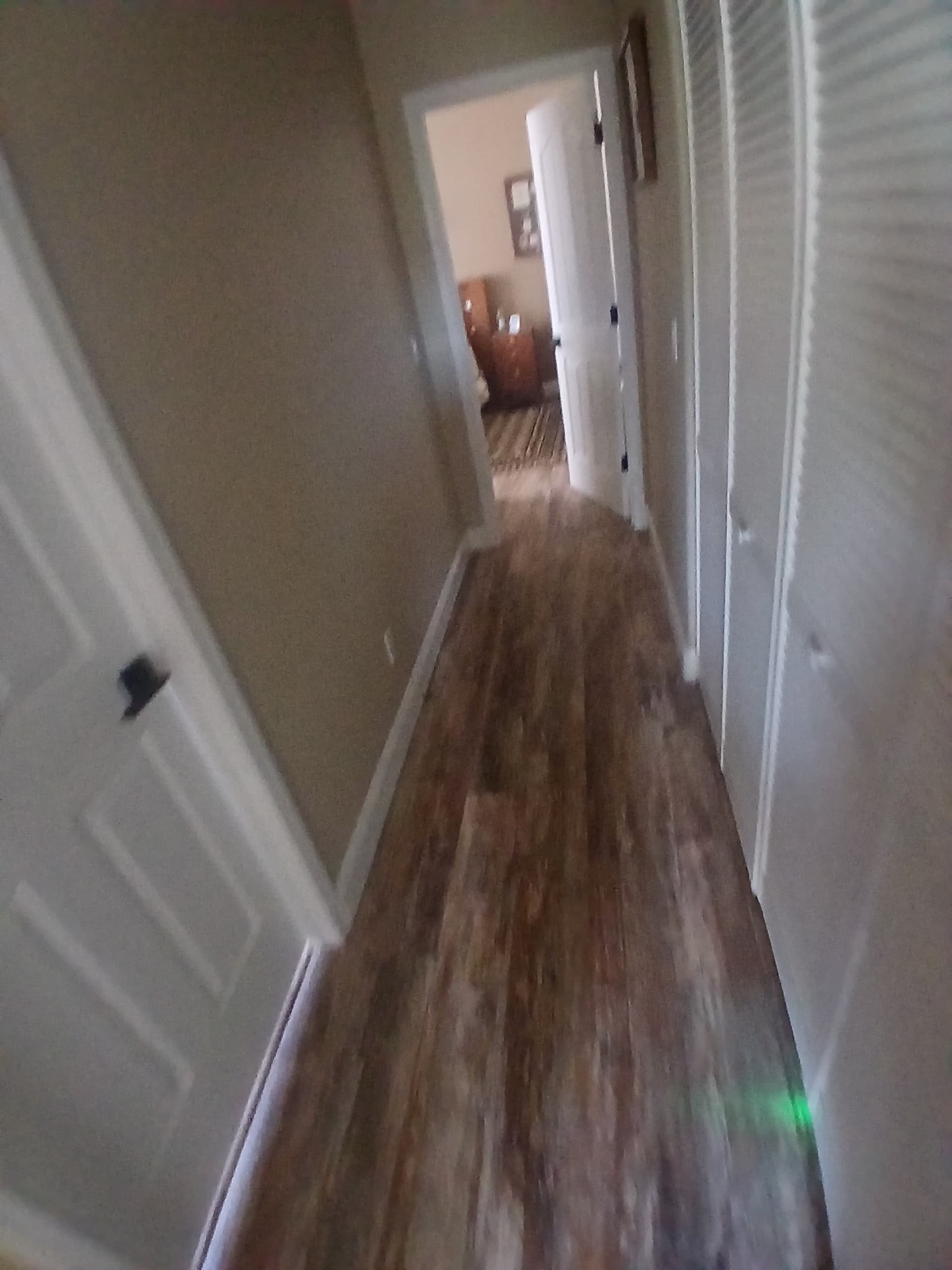
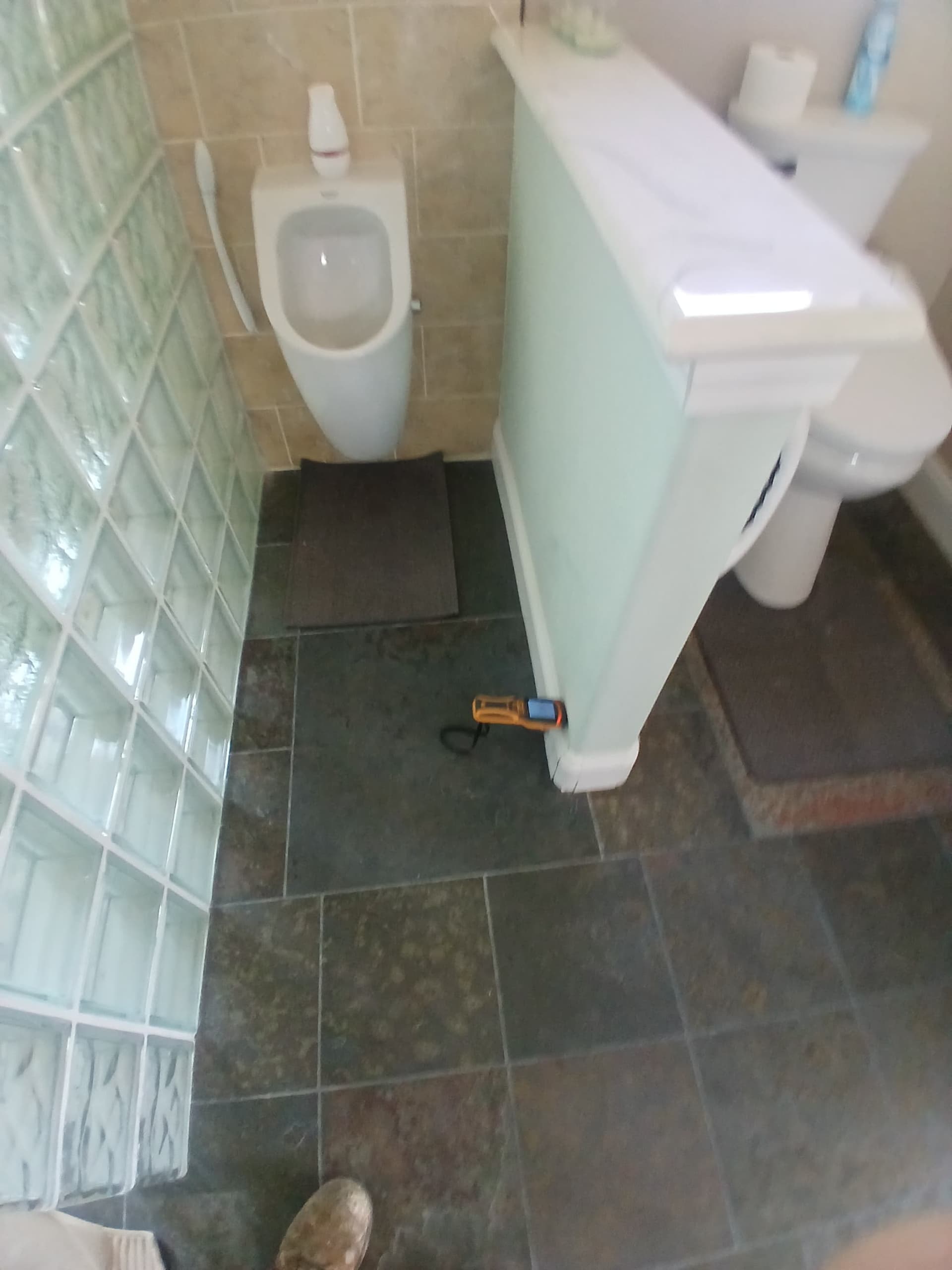
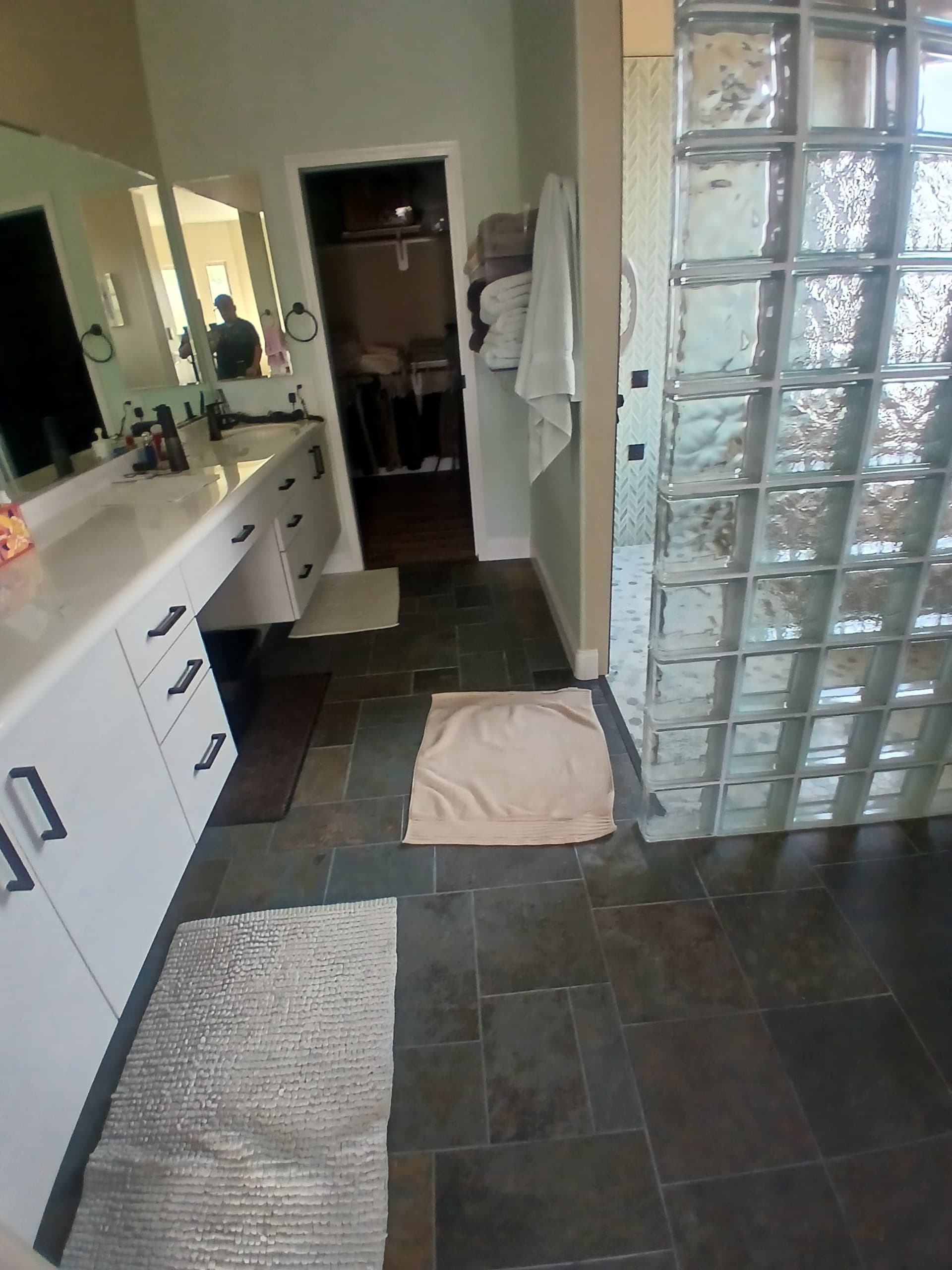
A bathroom flood is one of those situations where what you can't see is way more dangerous than what you can. Water doesn't stay put. It moves into subfloor, wicks up walls, soaks into carpet in adjacent rooms, and gets under hardwood in the hallway - all before you've had a chance to grab a towel. That's exactly what we were dealing with here.
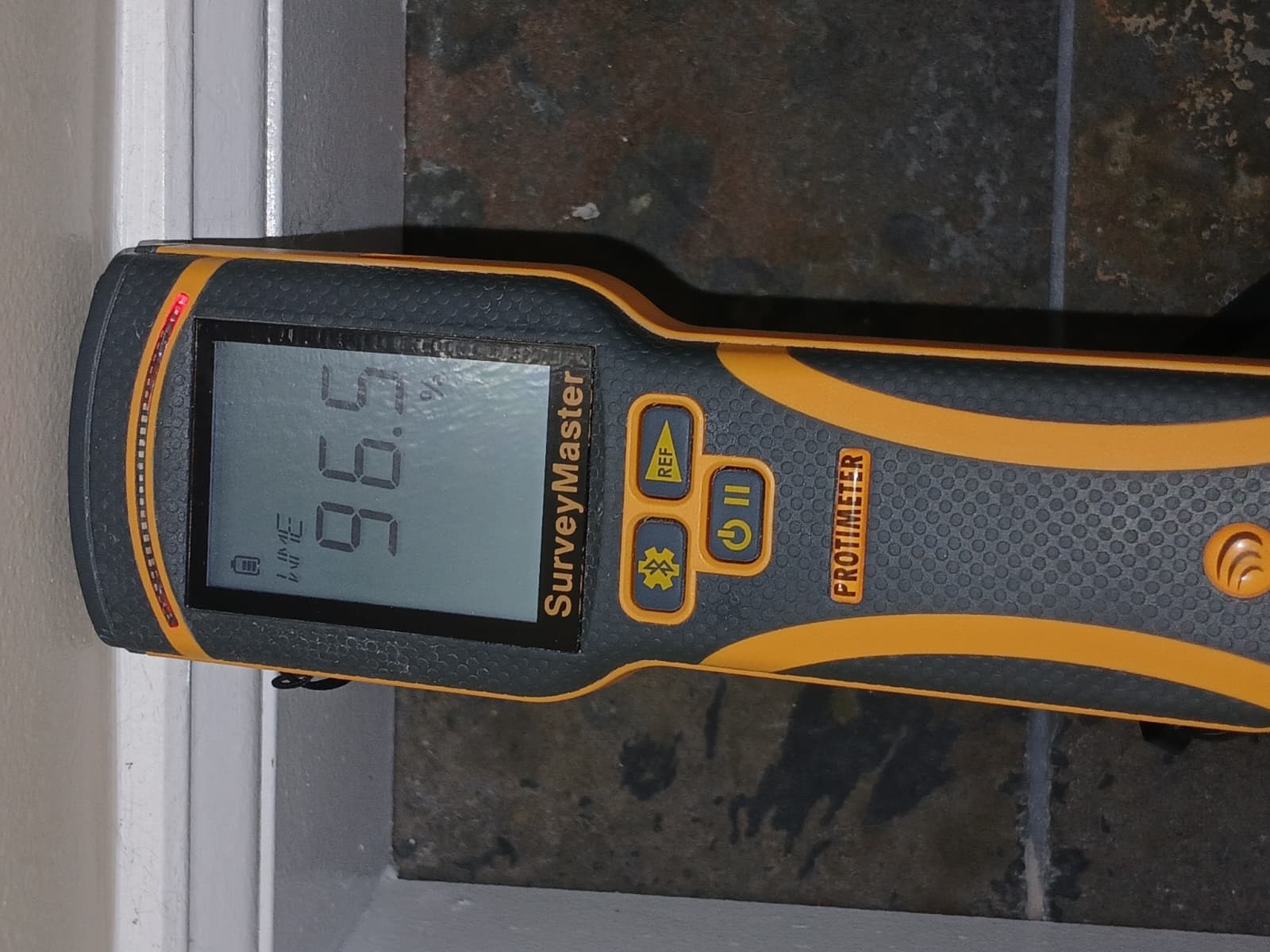
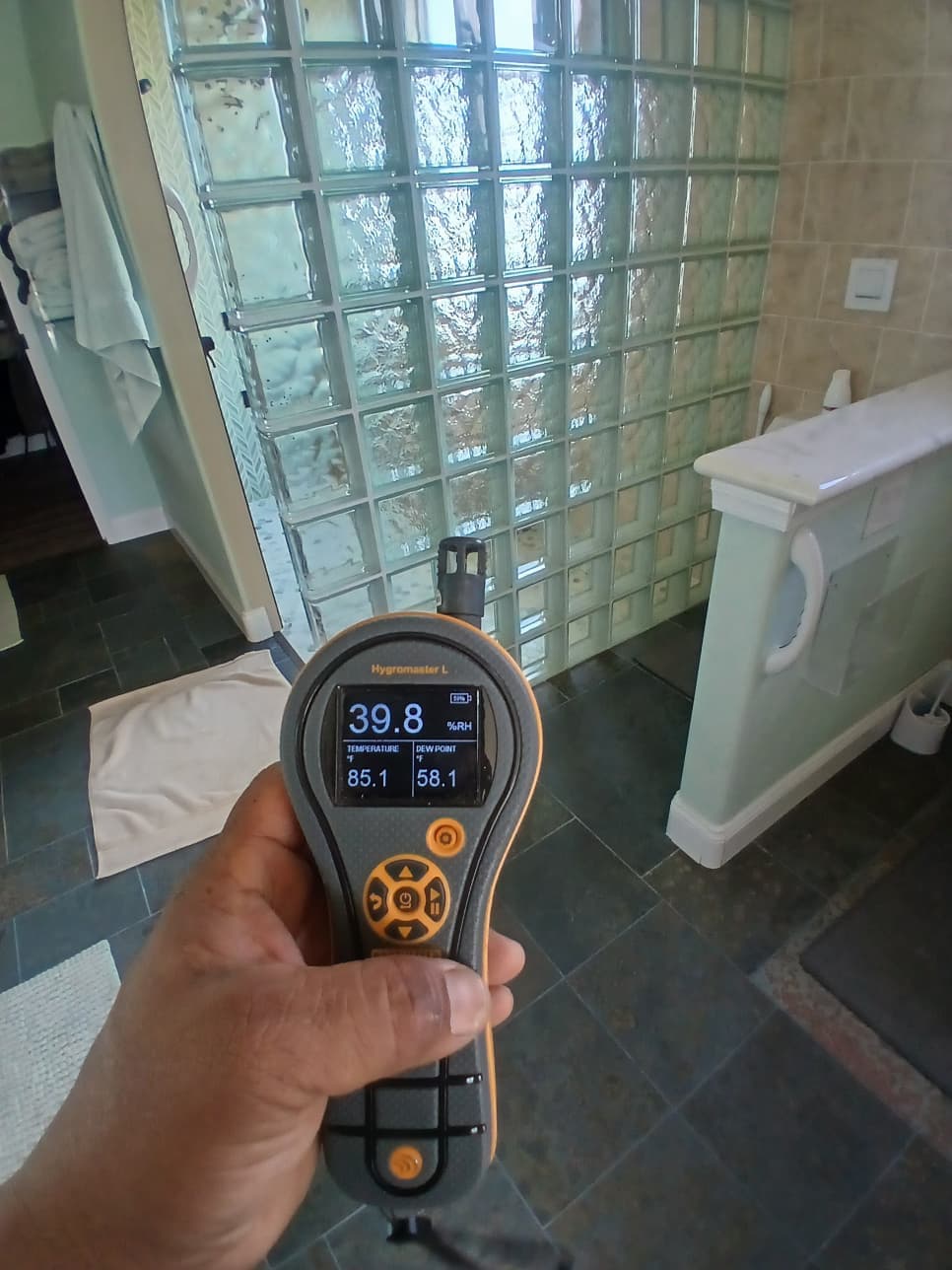
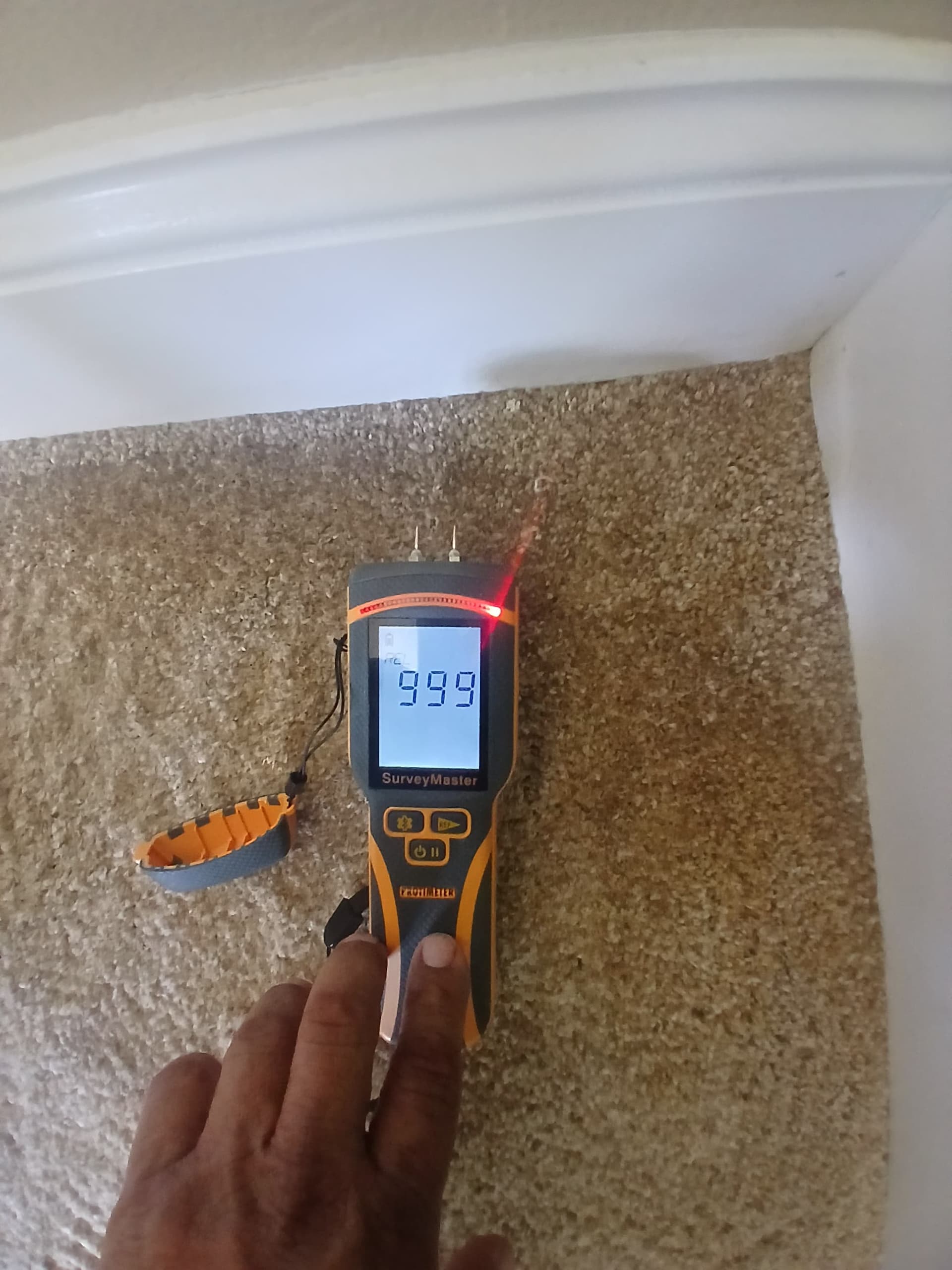
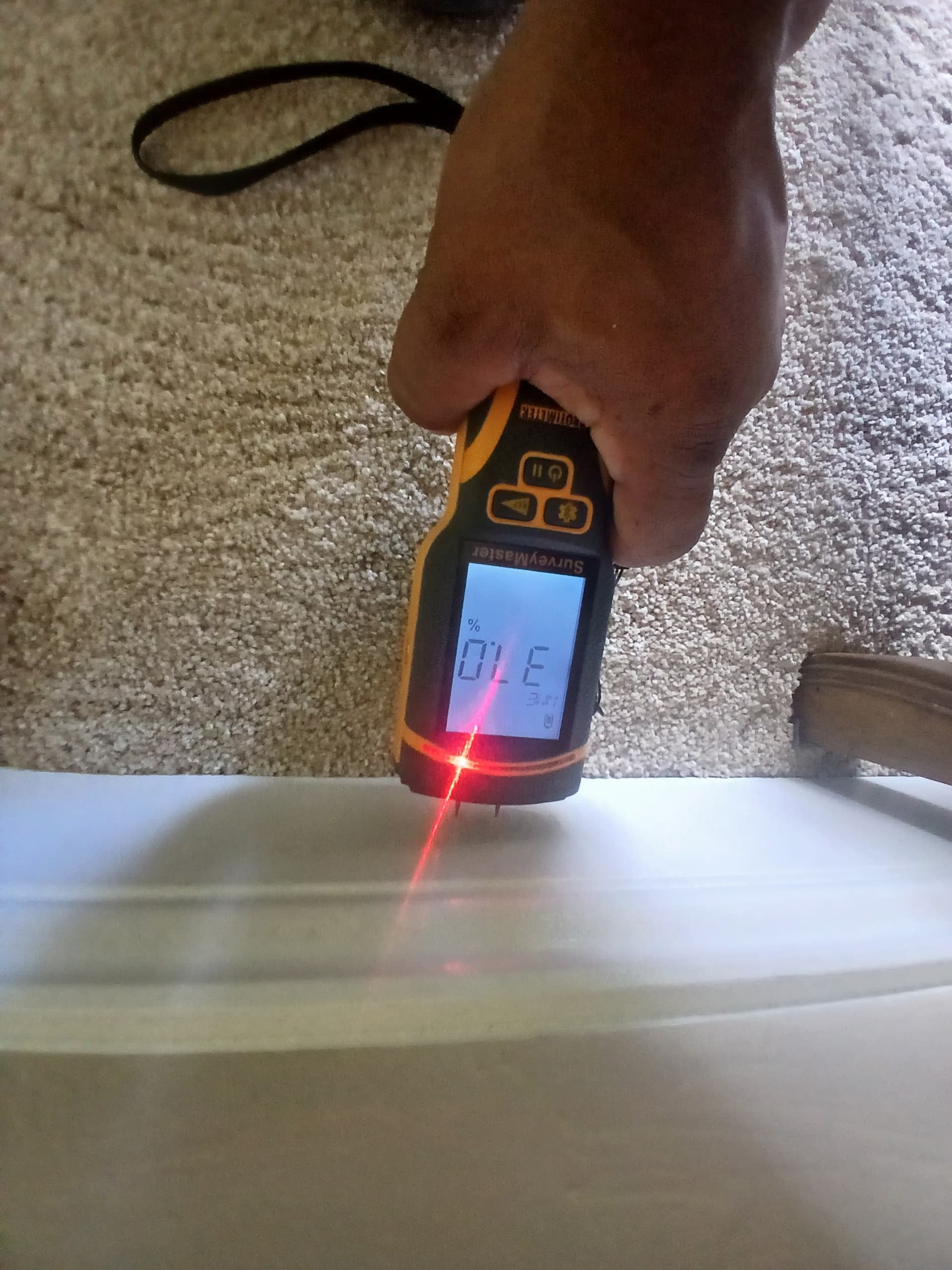
Before we touch a single thing, we do a full moisture assessment. We use professional-grade equipment - moisture meters and hygrometers - to map exactly where the water went and how saturated the materials are. One of our meters was reading 999, which is essentially the instrument's way of saying the material is completely saturated. That's not something you want hiding under your floors or inside your walls. Left alone, it becomes a mold problem fast.
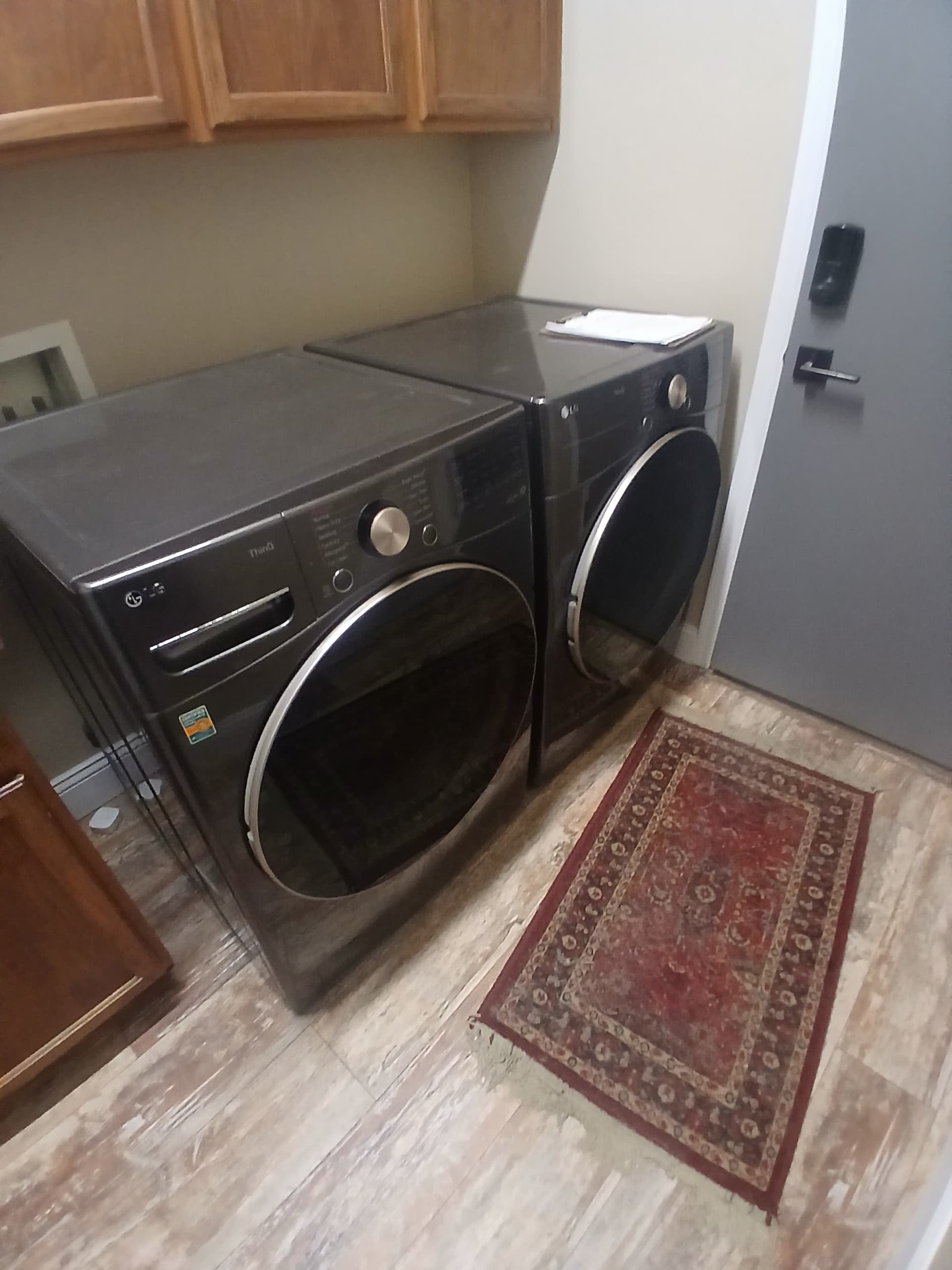
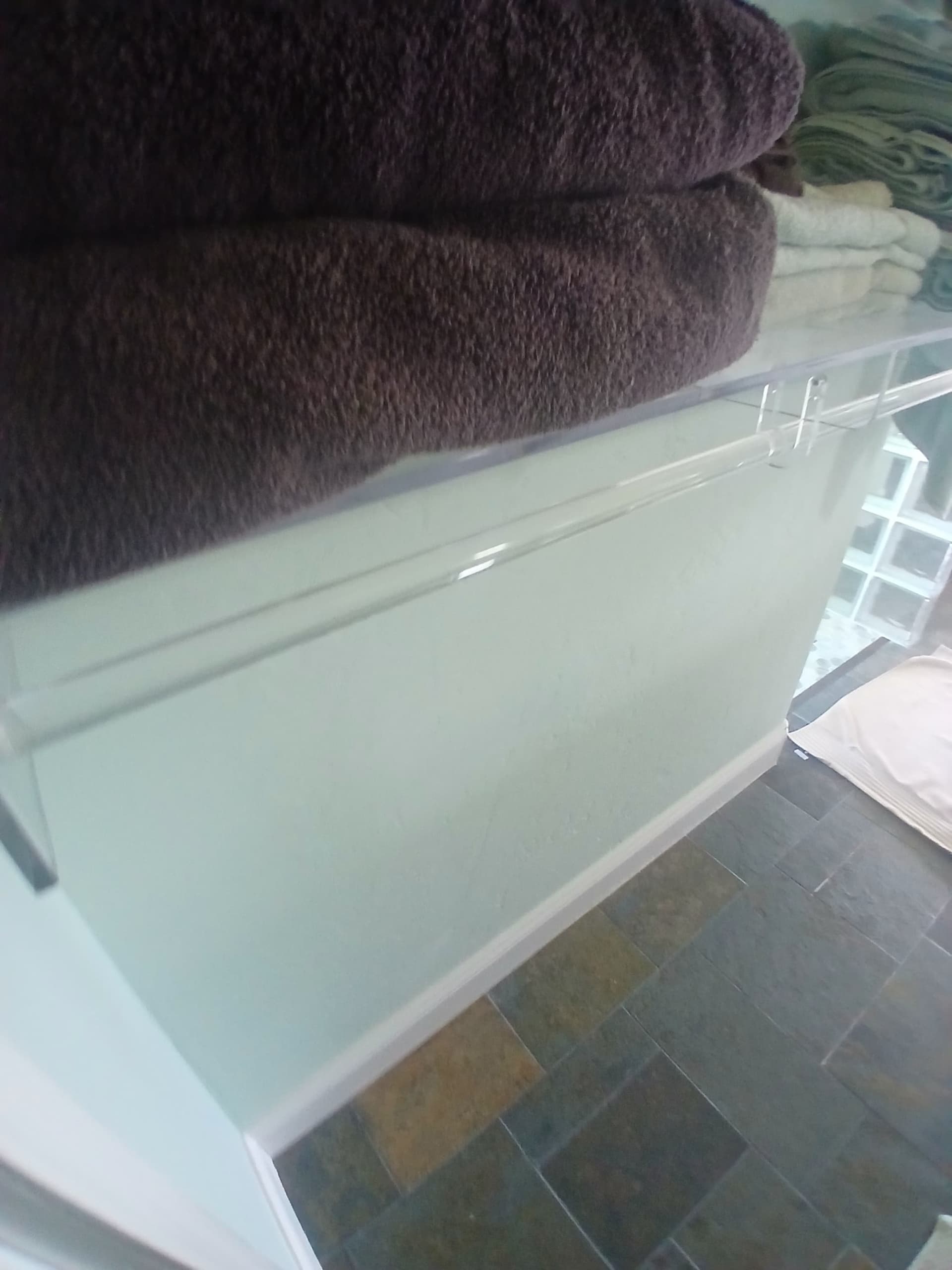
We checked every area the water could have traveled - the bathroom floor, the walls, the adjacent hallway, even the carpet in nearby rooms. This step is what separates a real water restoration response from just drying what you can see. Insurance companies also need this documented data to process a claim properly, so getting these readings early matters for the homeowner on multiple levels.
Once we have the full picture, we can move into demo and dry-out with a clear plan. No guessing, no missing a wet pocket behind a wall that comes back as mold in three weeks. Our flood cleanup process is built around getting it right the first time - because doing it twice costs everybody more time and money.
If your bathroom has flooded or you've got water where it doesn't belong, don't wait on it. The longer moisture sits in building materials, the worse the outcome. We help homeowners get the assessment done, the insurance process moving, and the dry-out started quickly so the damage stops spreading.