A Small Roof Leak That Had Already Destroyed an Entire Kitchen Wall
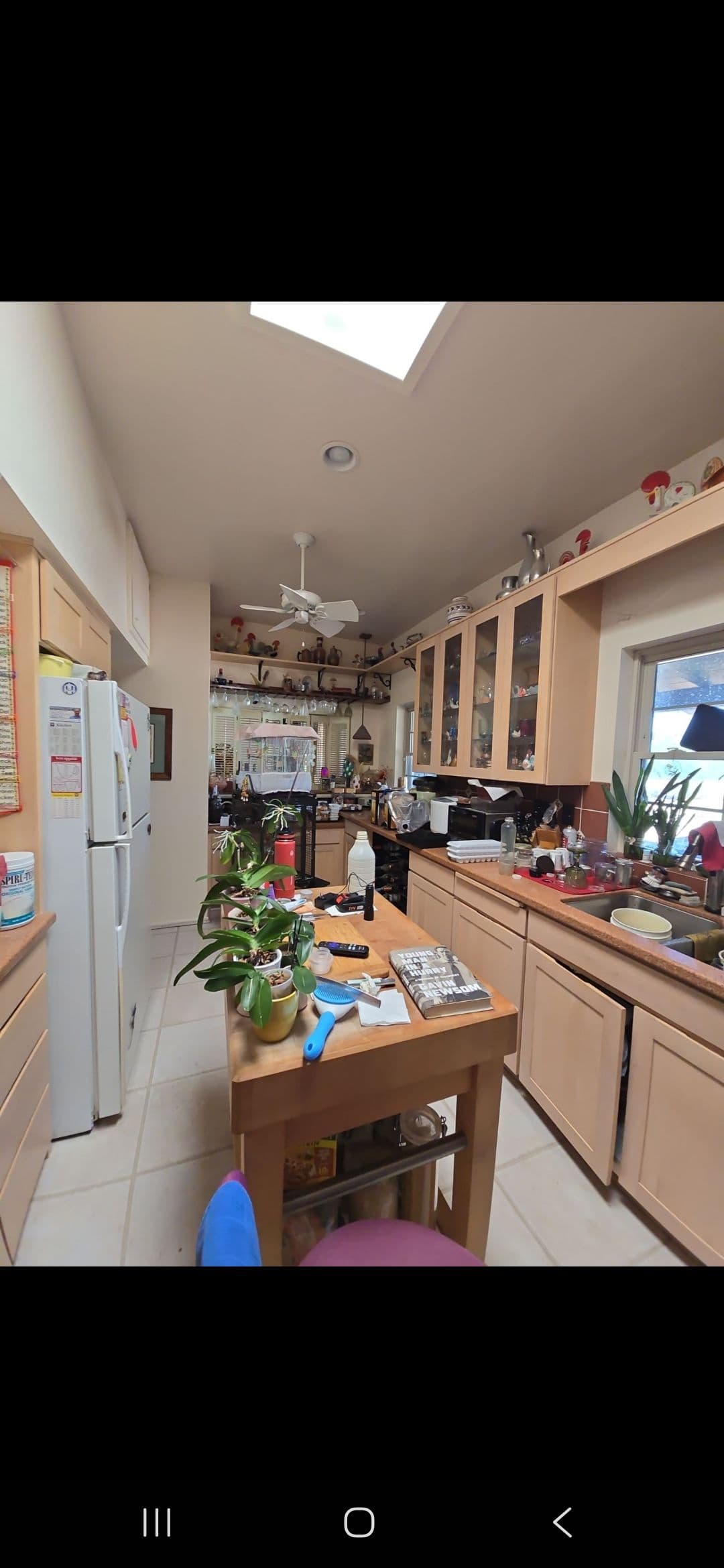
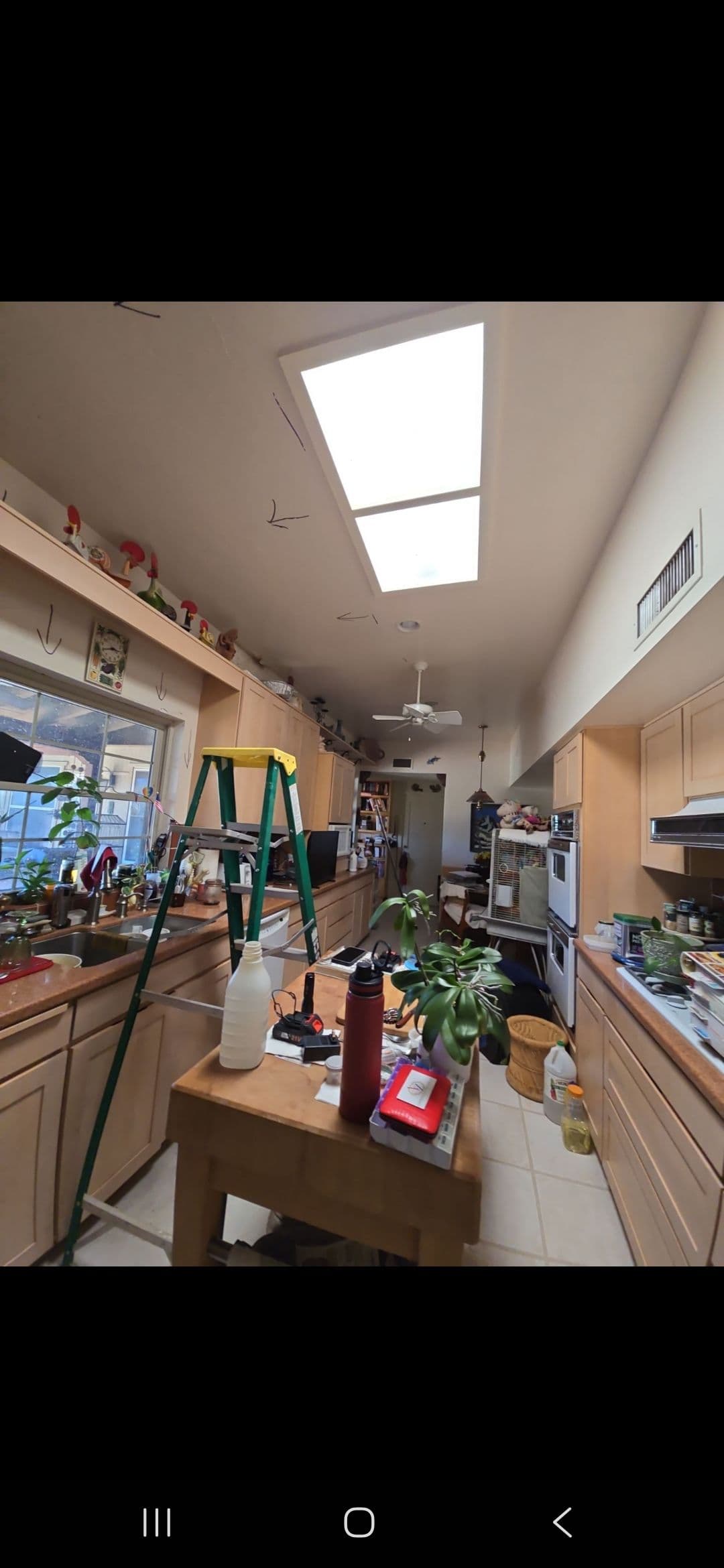
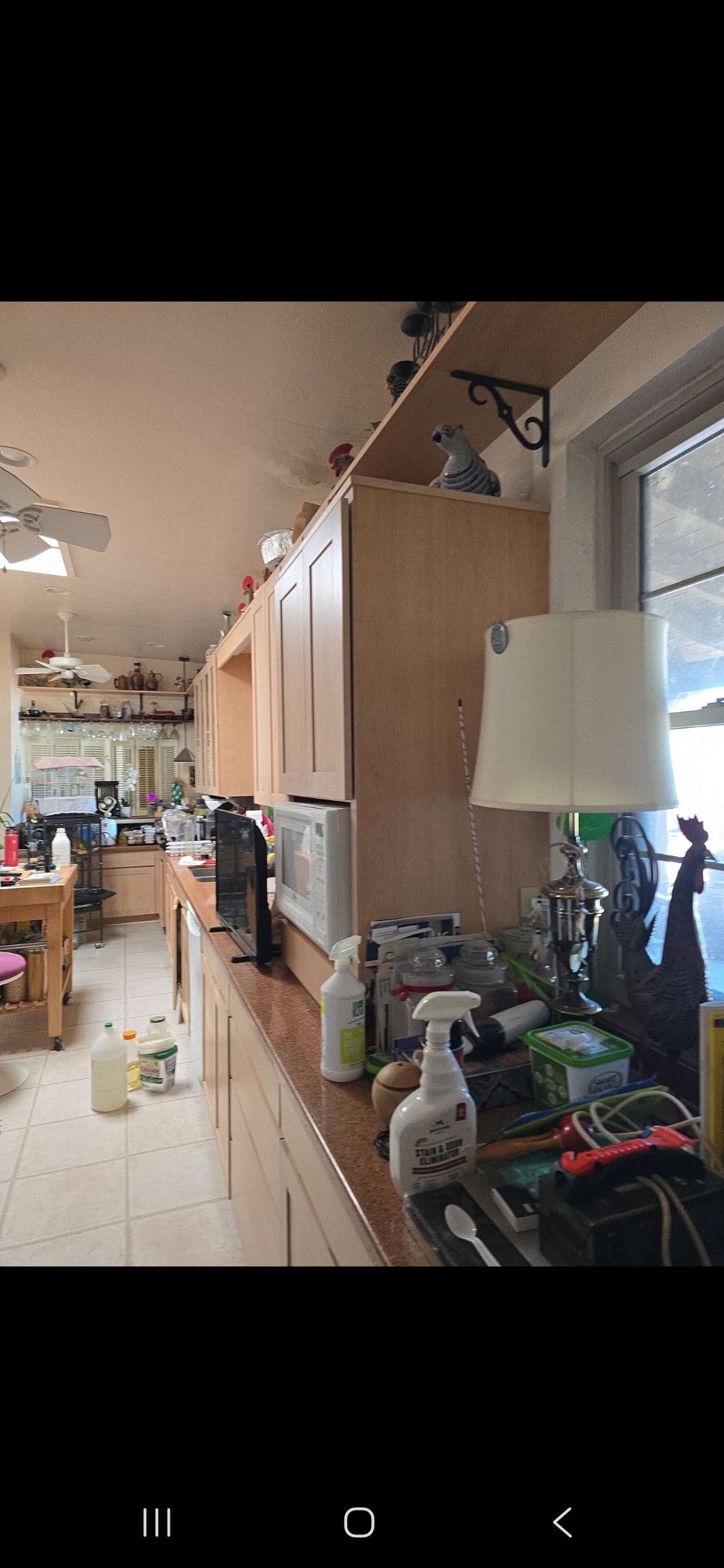
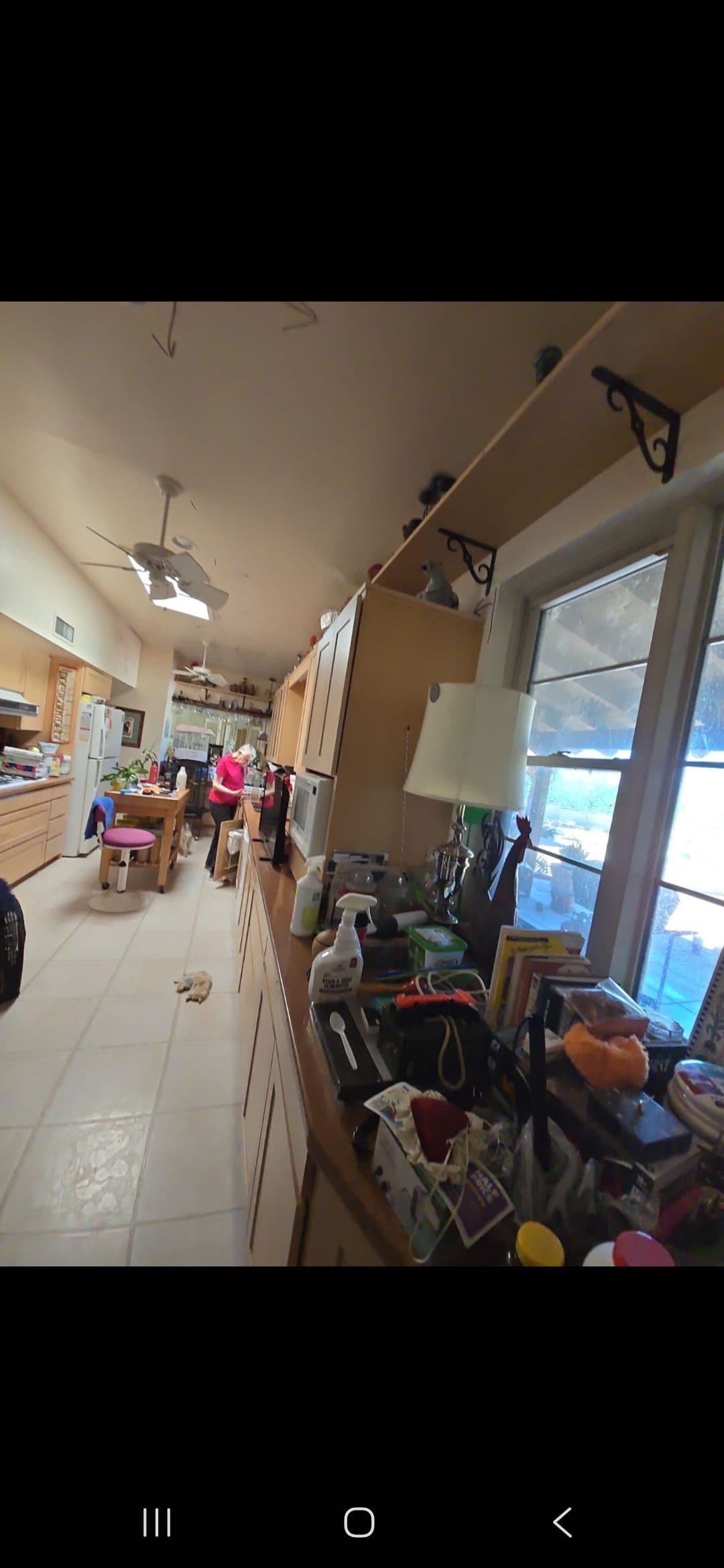
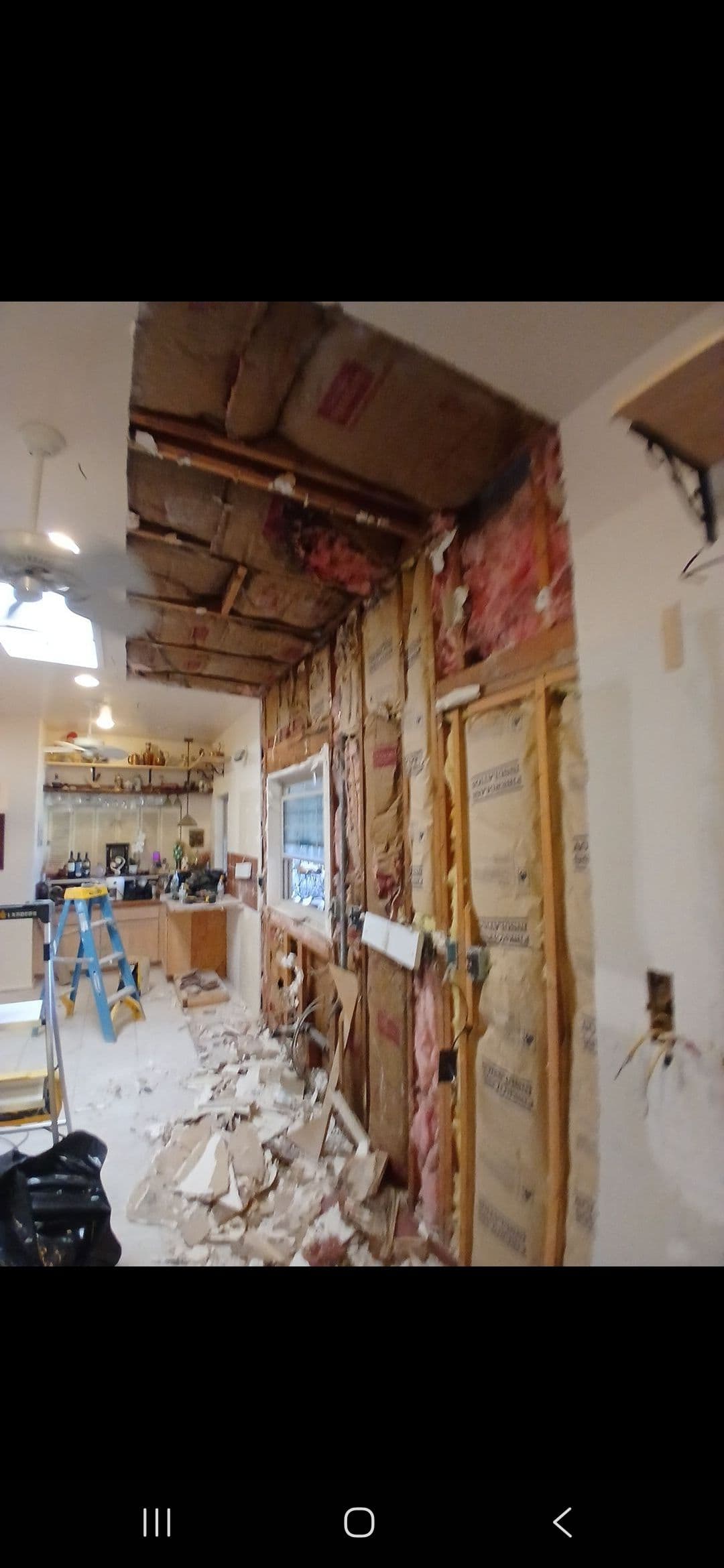
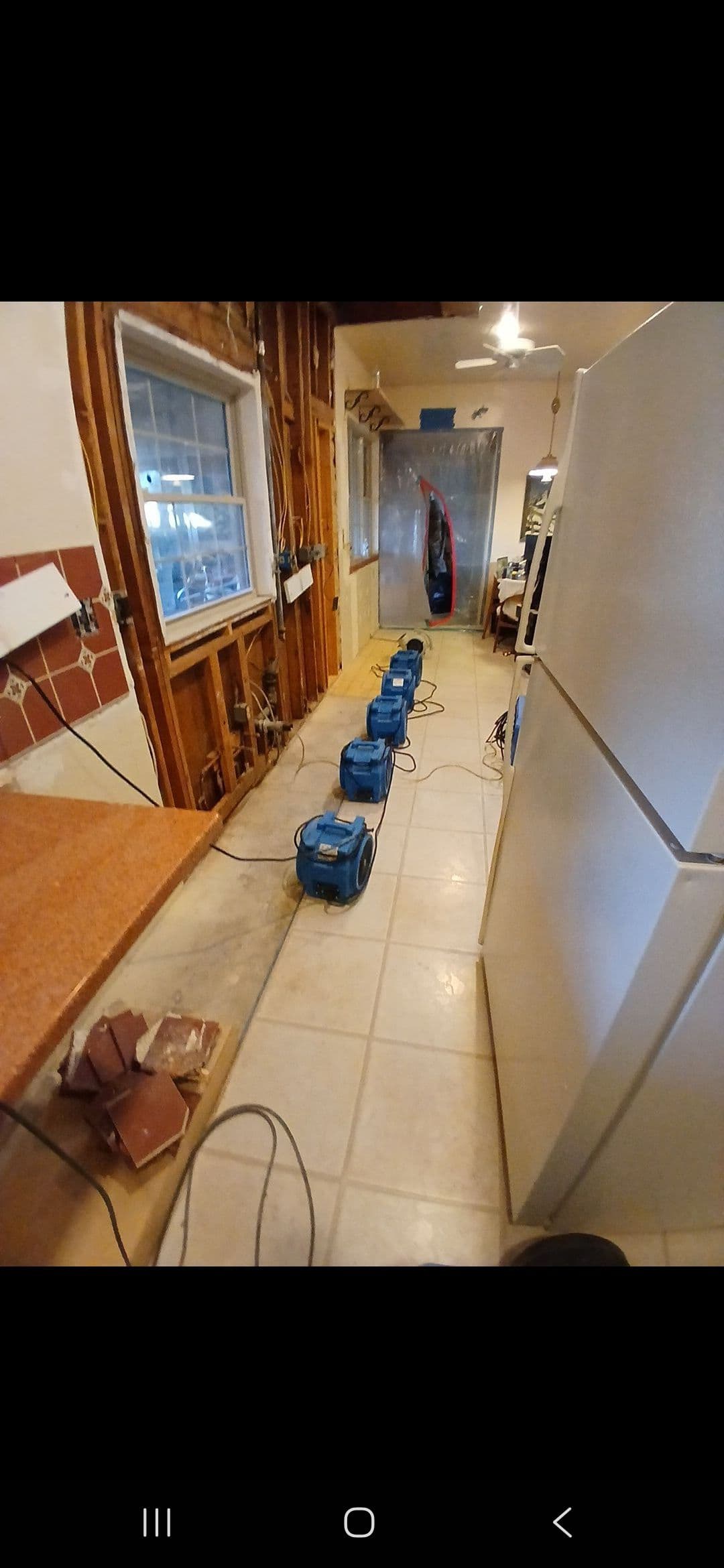
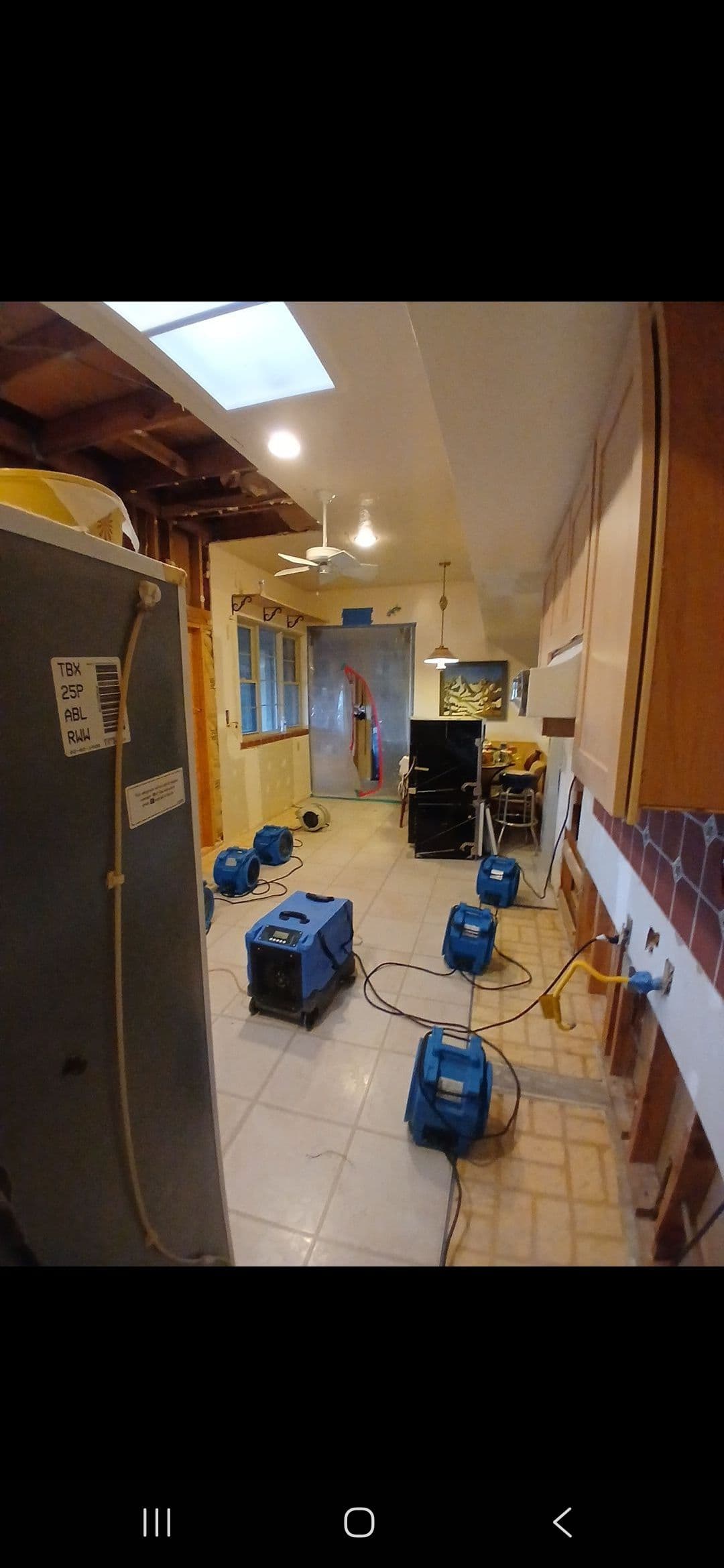
What started as a roofing concern turned into something much bigger. By the time we got eyes on it, the water had already worked its way through the ceiling, down the walls, into the insulation, through the drywall, and behind the cabinets. That's the thing about water - it doesn't stay where you find it. It travels, and it does a lot of damage quietly along the way.
The first thing we did was get the homeowner's belongings packed out and protected. Then we moved straight into demo. The ceiling and wall surfaces had to come down to expose what was actually going on inside. What we found confirmed it - soaked insulation, saturated framing, and materials that had been holding moisture long enough to become a real problem. Everything had to go before we could even think about drying anything out.
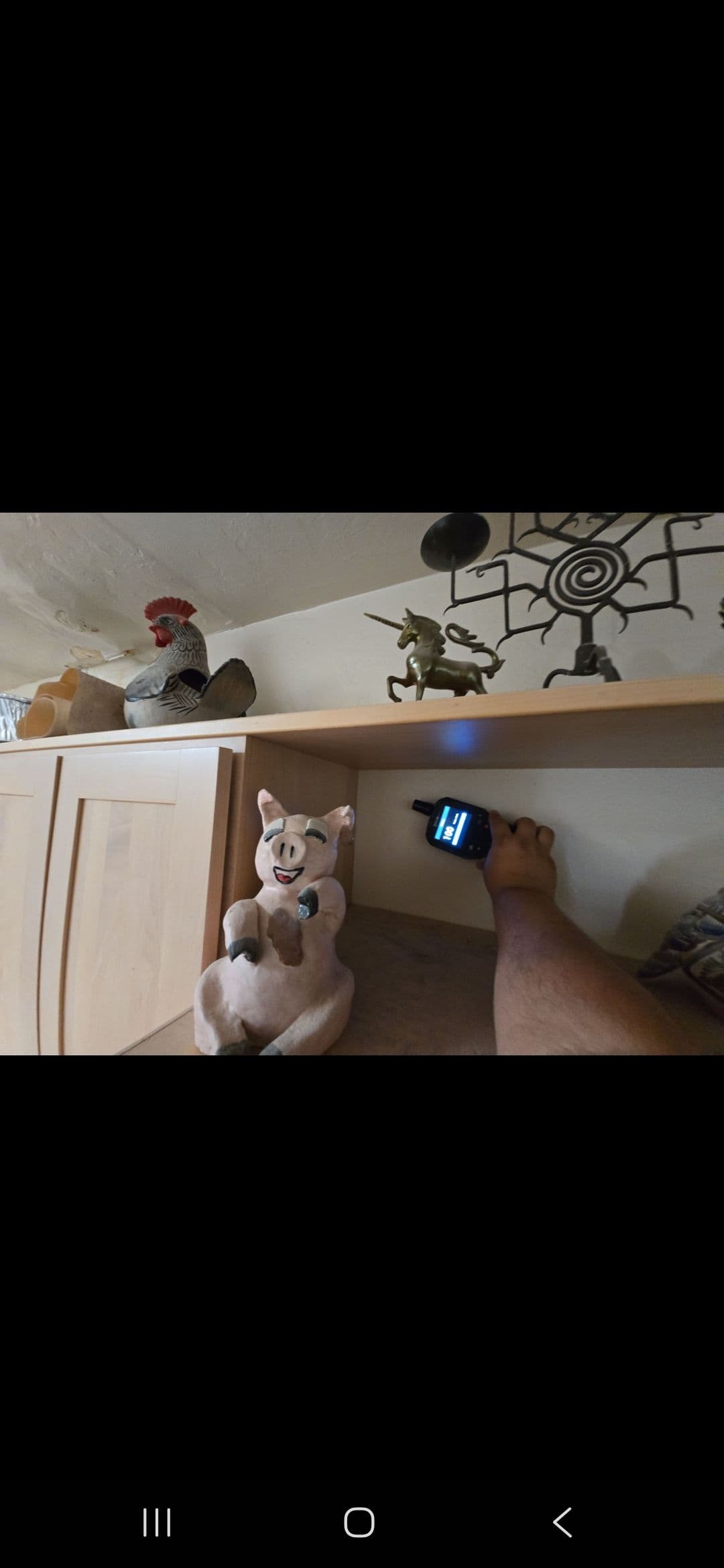
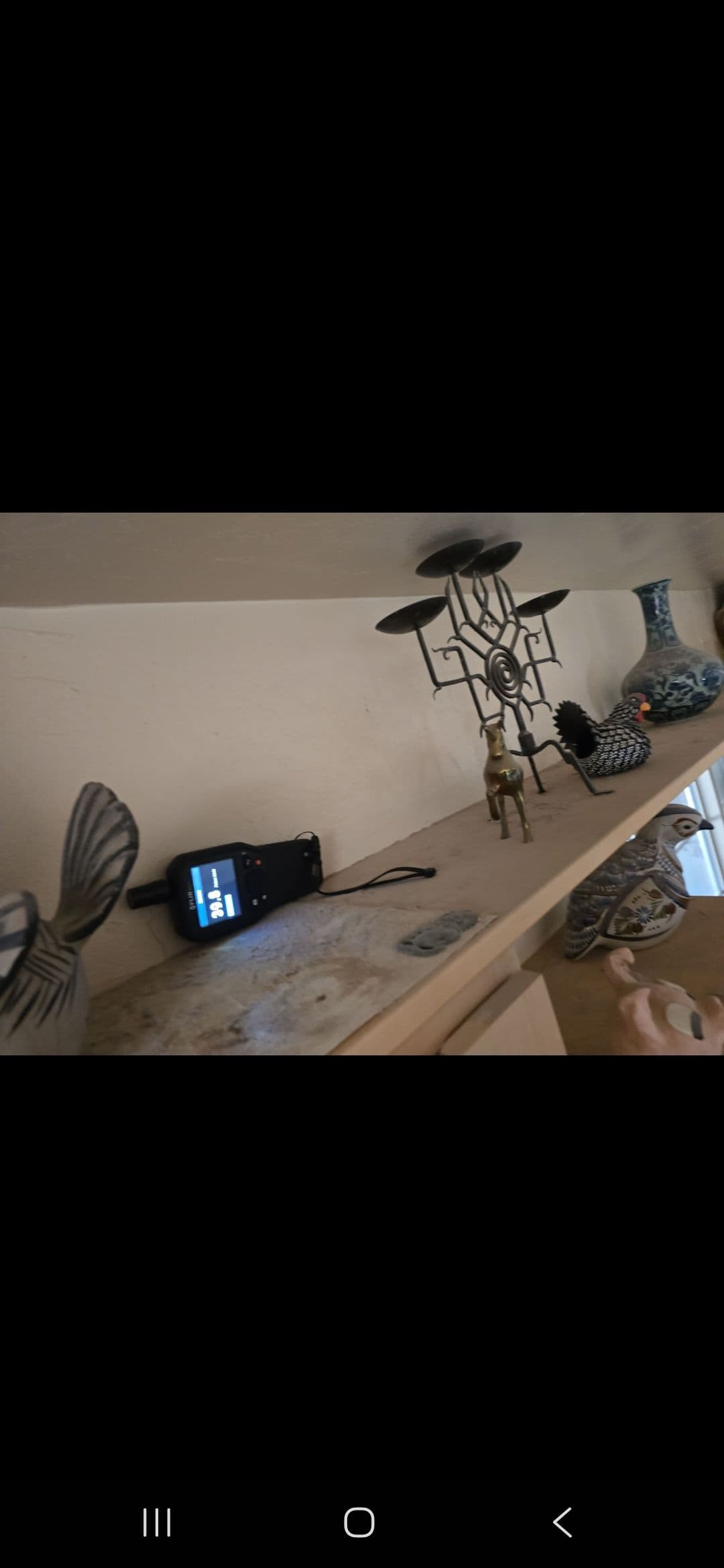
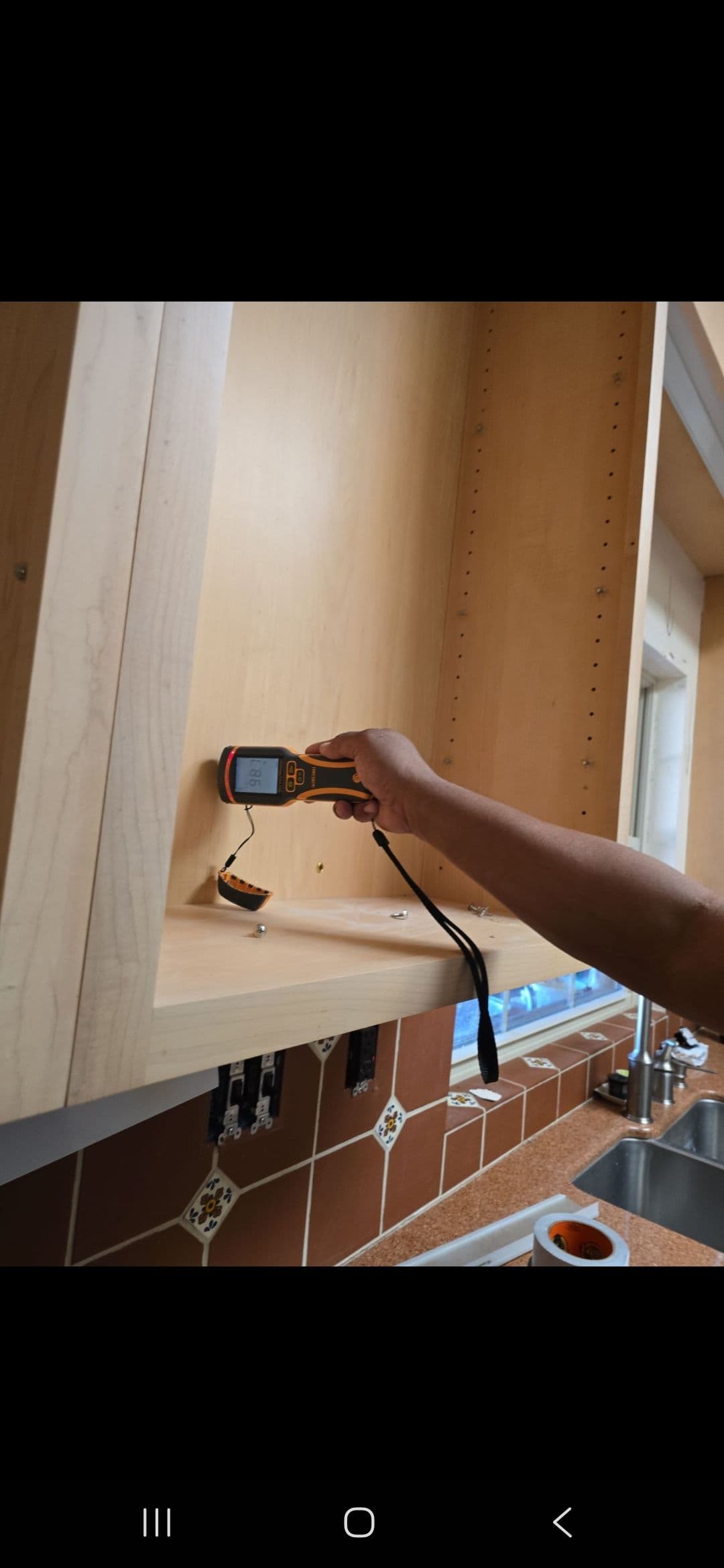
Once the space was stripped back and the contaminated material was removed, we sanitized and decontaminated the affected areas. That step matters. Skipping it or rushing it creates a mold risk down the line, and that's a much harder conversation to have with a homeowner. We use moisture meters throughout this process to check the framing and cabinet materials - not just to confirm where the damage is, but to make sure we're not missing any pockets of moisture before the drying equipment goes in.
With demo and decon done, we set up commercial air movers and dehumidifiers throughout the kitchen to pull the remaining moisture out of the structure. The containment barrier you see separating the kitchen from the rest of the home is there to protect the living space and keep the drying environment controlled. This is what a proper water restoration response looks like - methodical, documented, and focused on stopping secondary damage before it starts.
If something in your home feels off - a soft spot in the ceiling, a musty smell, a cabinet door that suddenly won't close right - don't sit on it. Water damage doesn't get better with time. The sooner it gets assessed, the more of your home you get to keep.